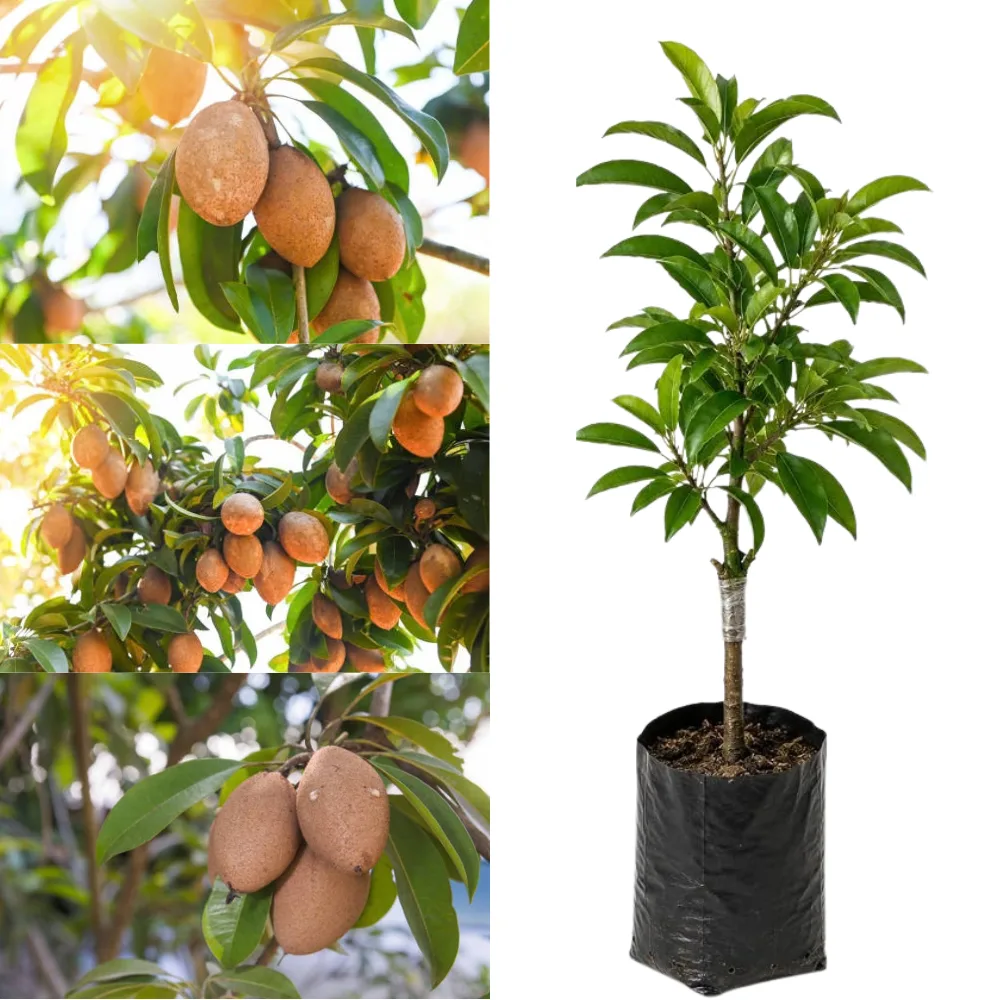
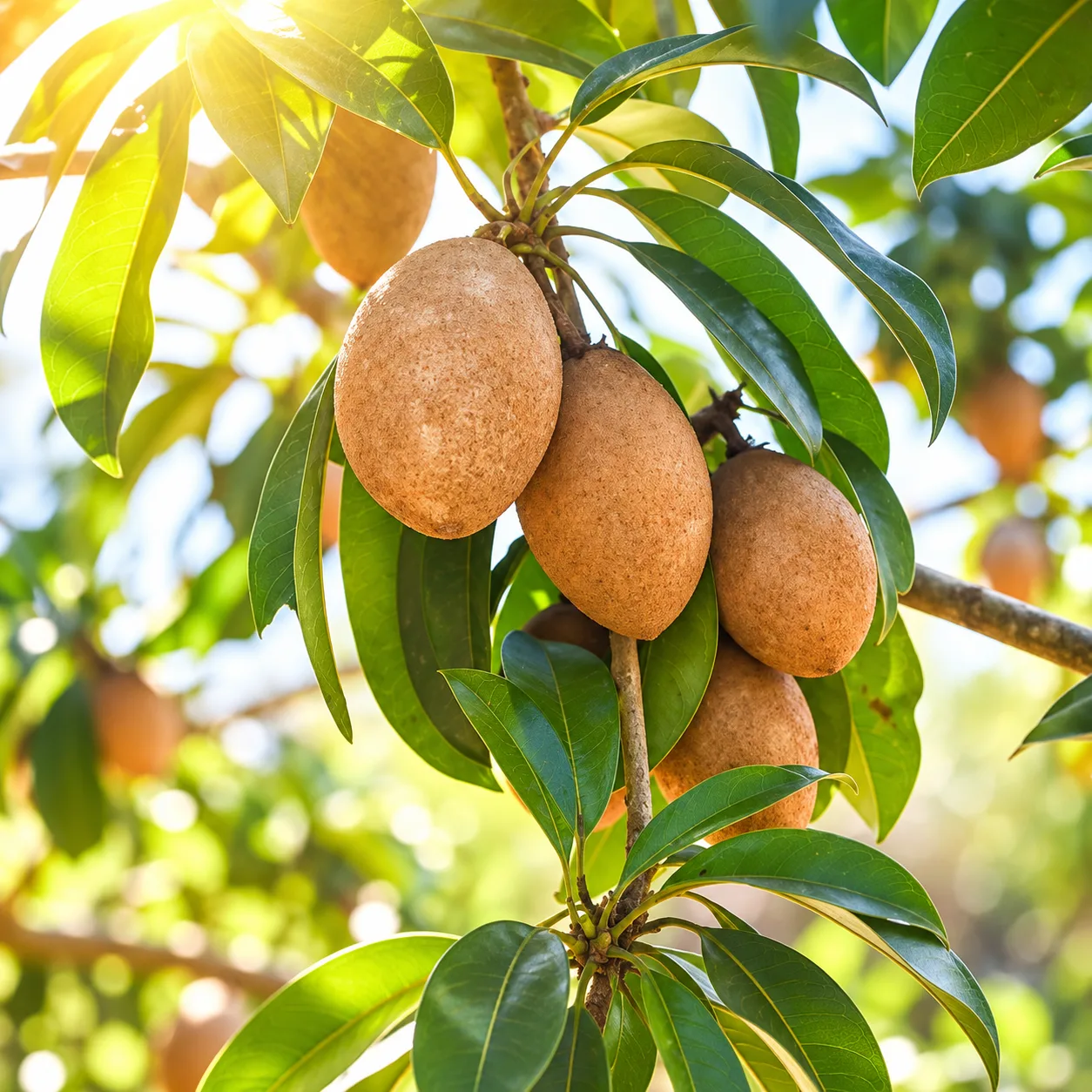
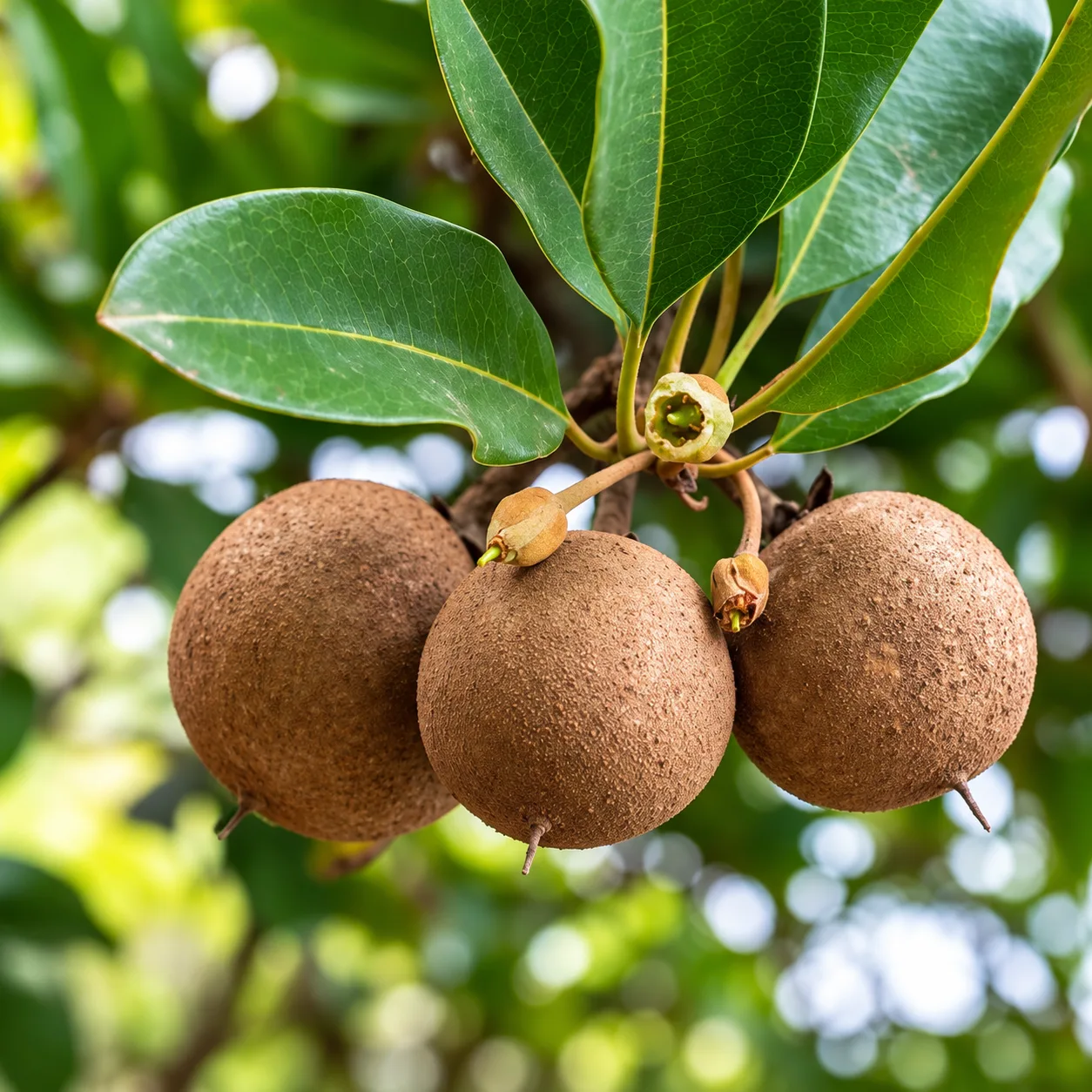
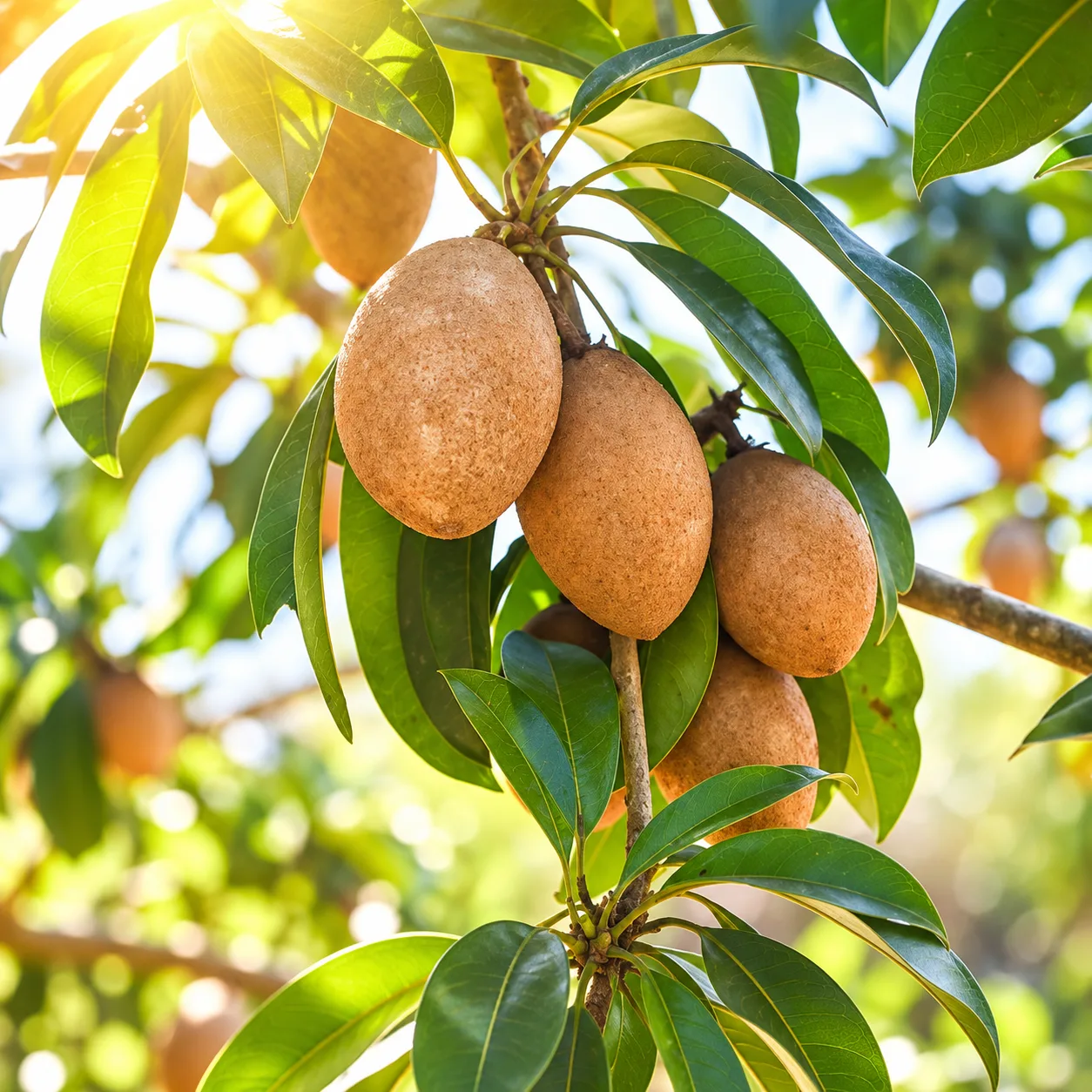
Chiku Live Plant (Sapodilla) – Manilkara zapota Sweet Fruit Plant for Home Garden, Farm & Orchard
₹370.00
₹1299.00 72% OFF
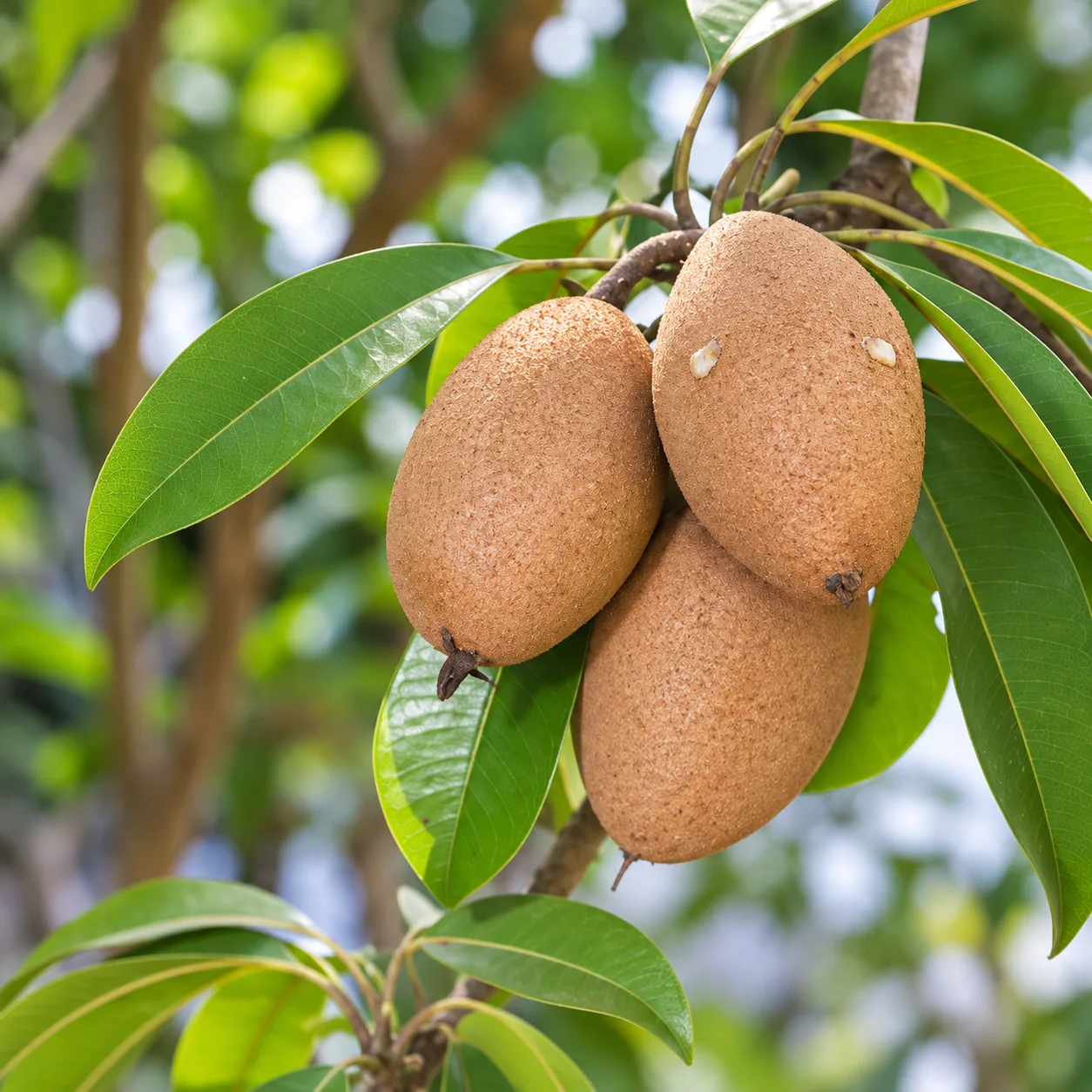
The Chiku Plant (Manilkara zapota), commonly known as Sapodilla or Sapota, is a tropical evergreen fruit tree loved for its sweet, soft and delicious brown fruits. Suitable for home gardens, farms and orchards, Chiku performs best in full sunlight, warm temperatures, well-draining soil and regular seasonal care.
Plant Information
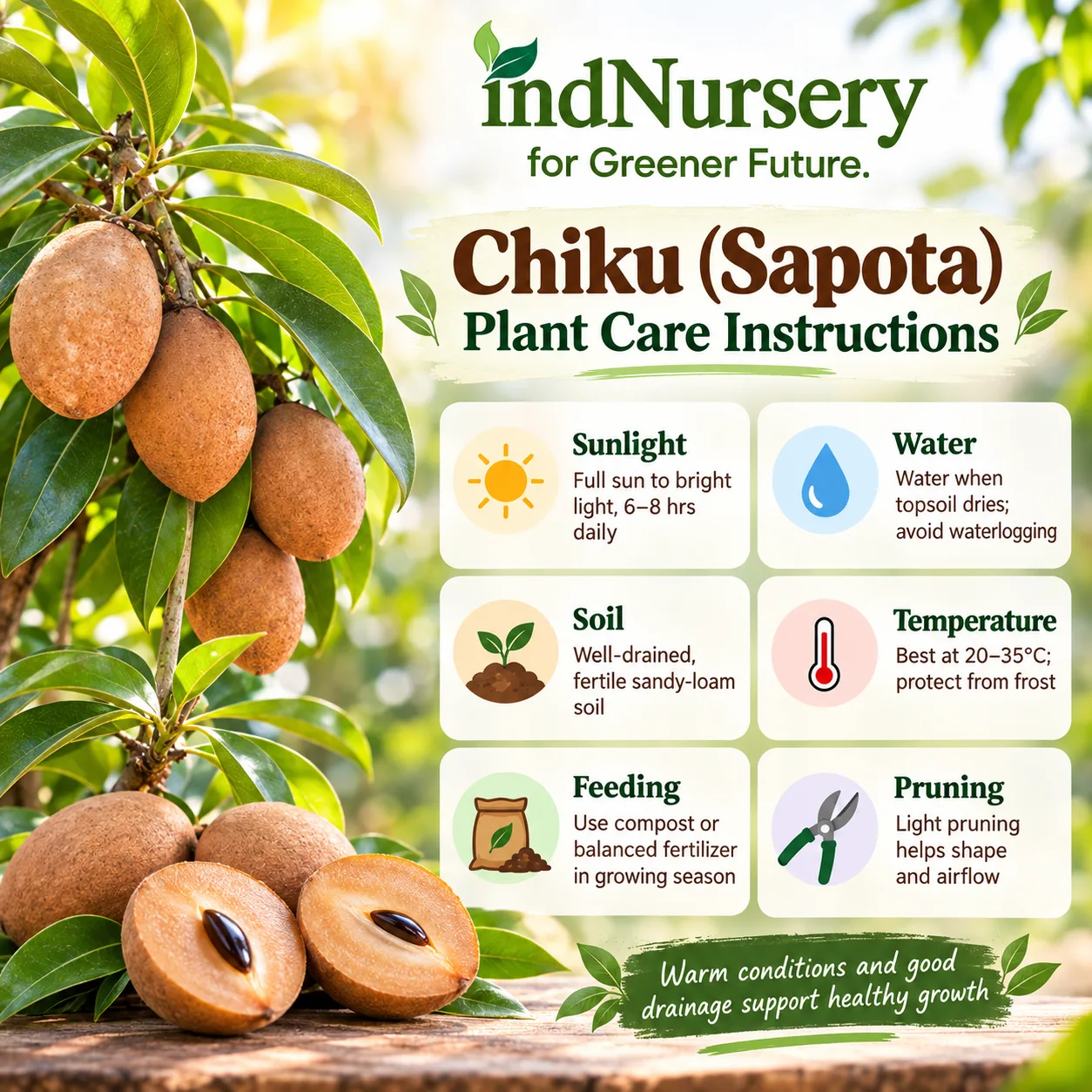
Care Instructions
In the Box
- 1. 1 Unit Grafted Sapote Live Plant
Key Features
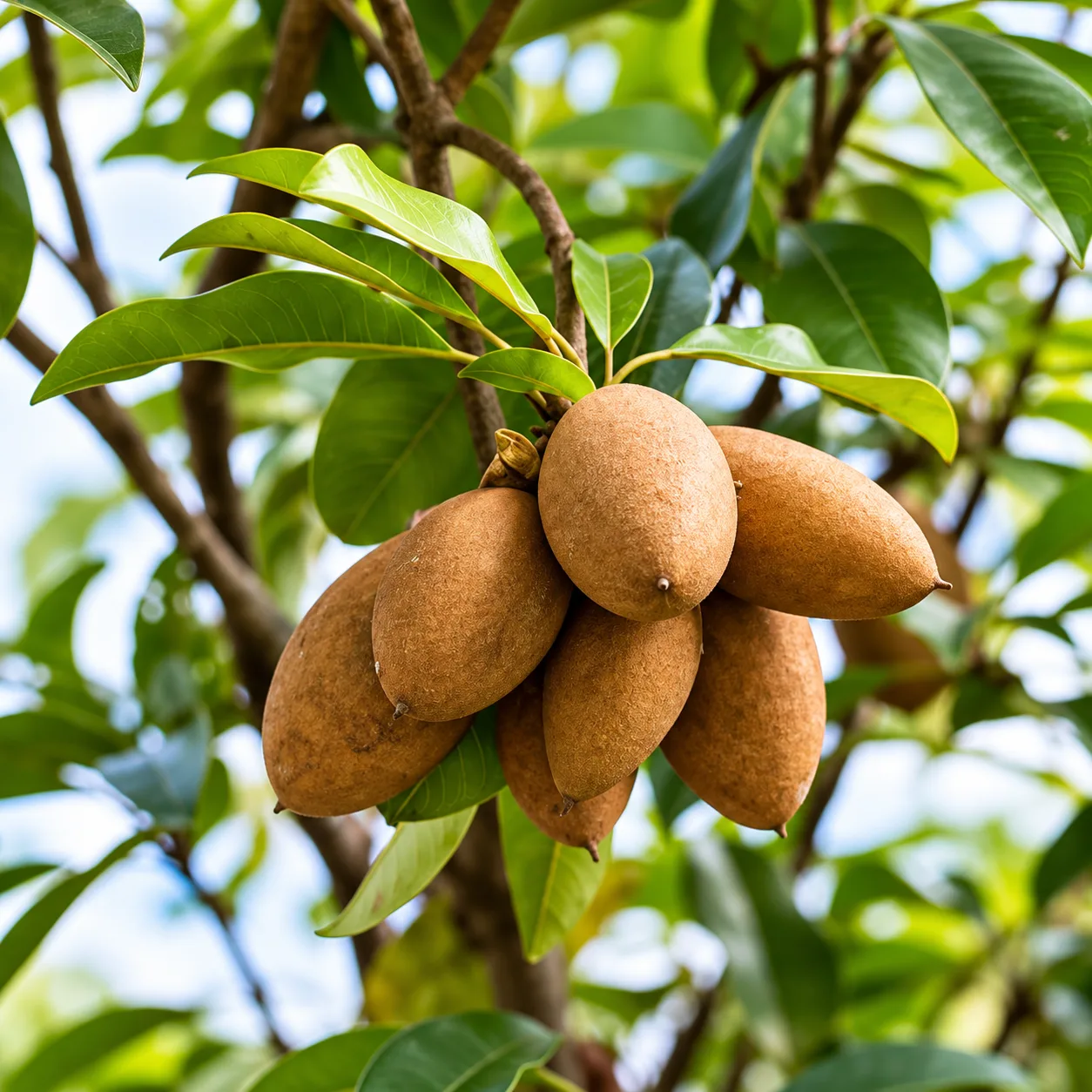
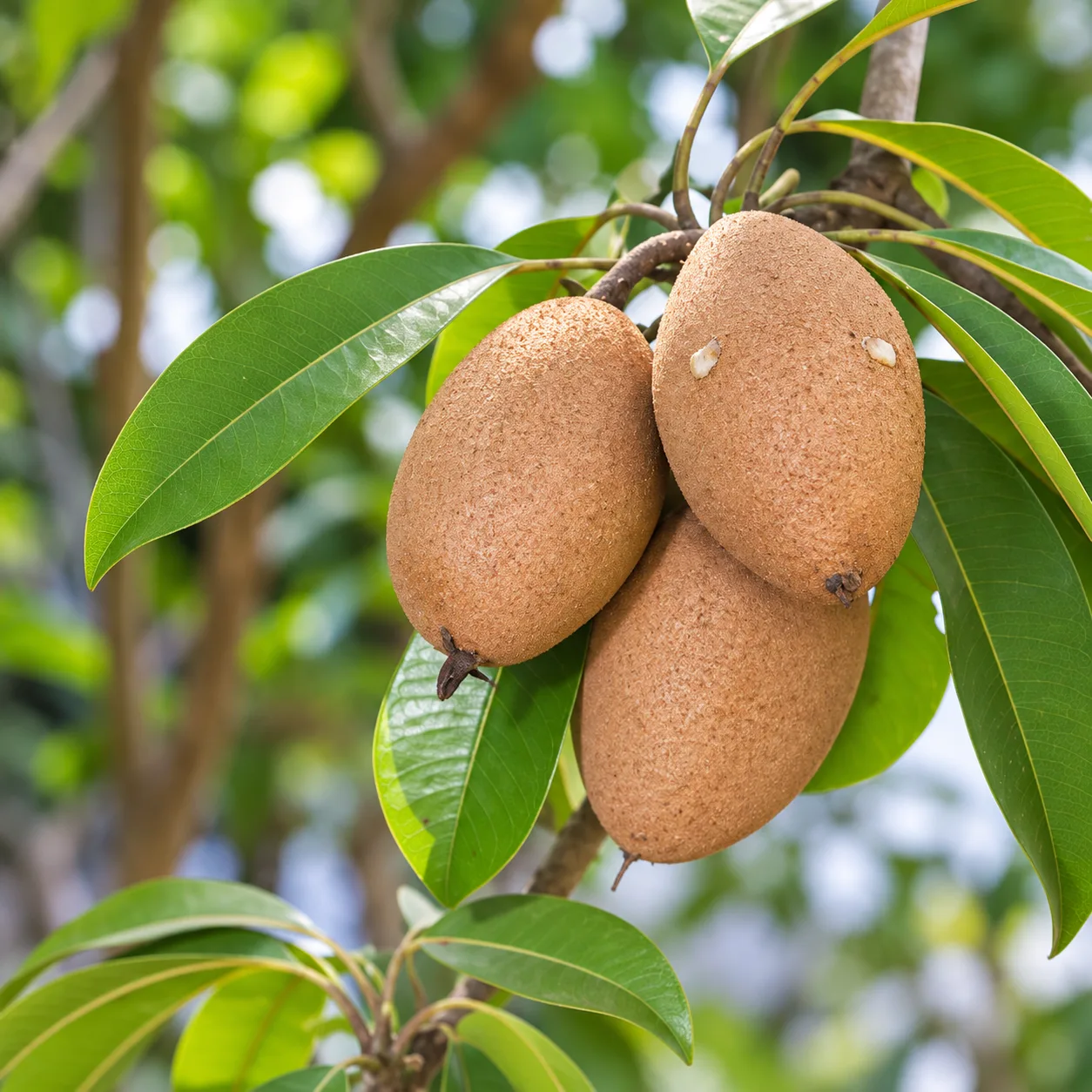
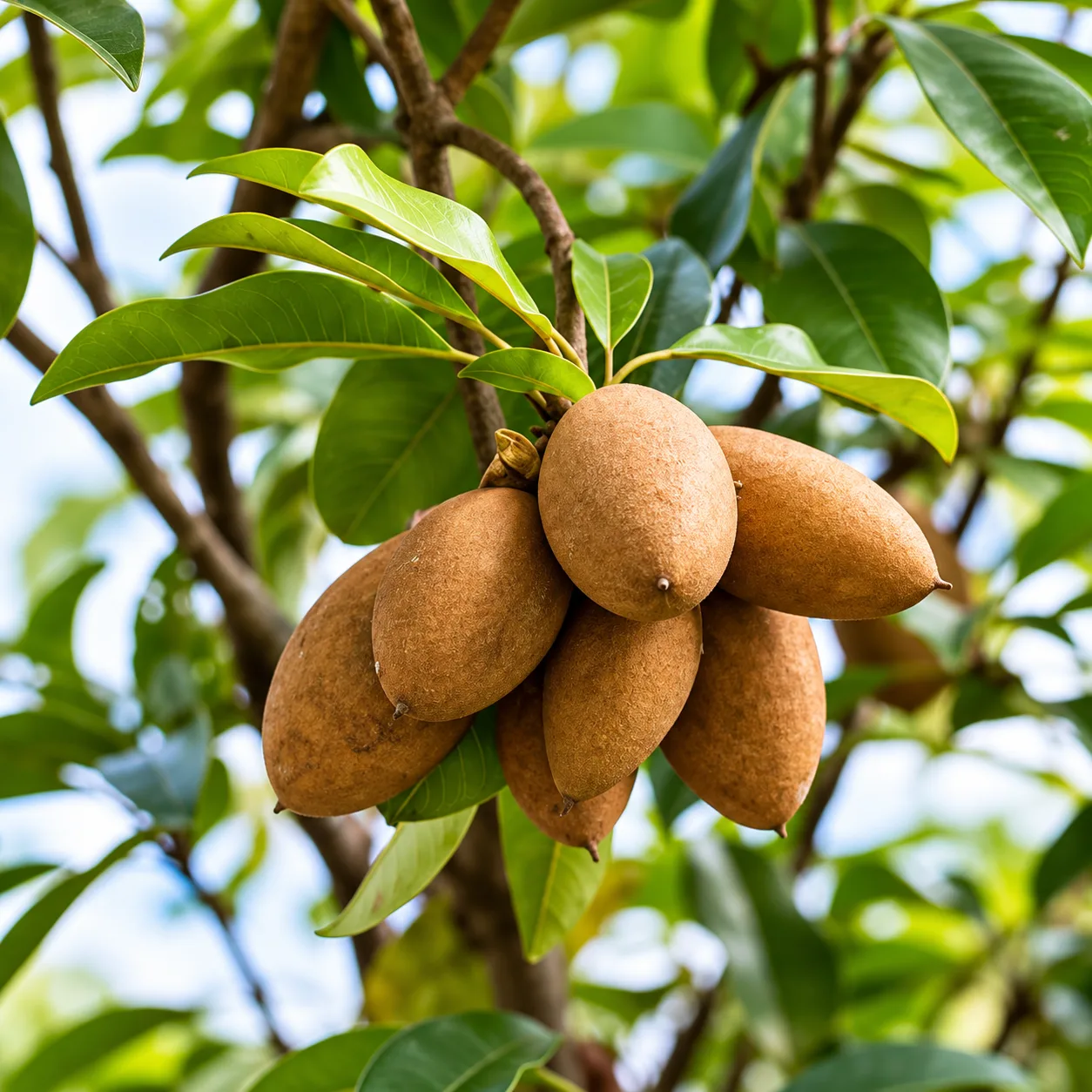
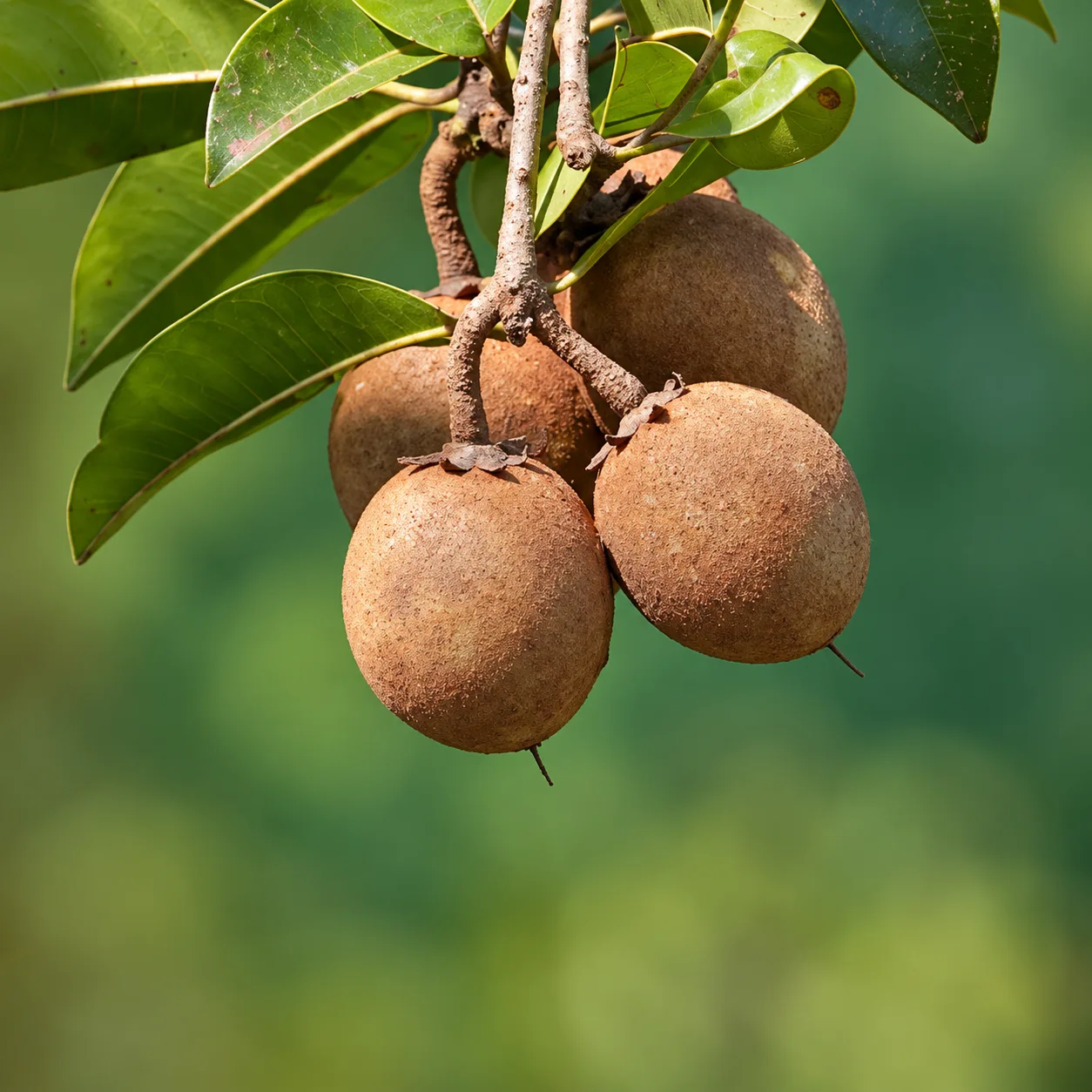
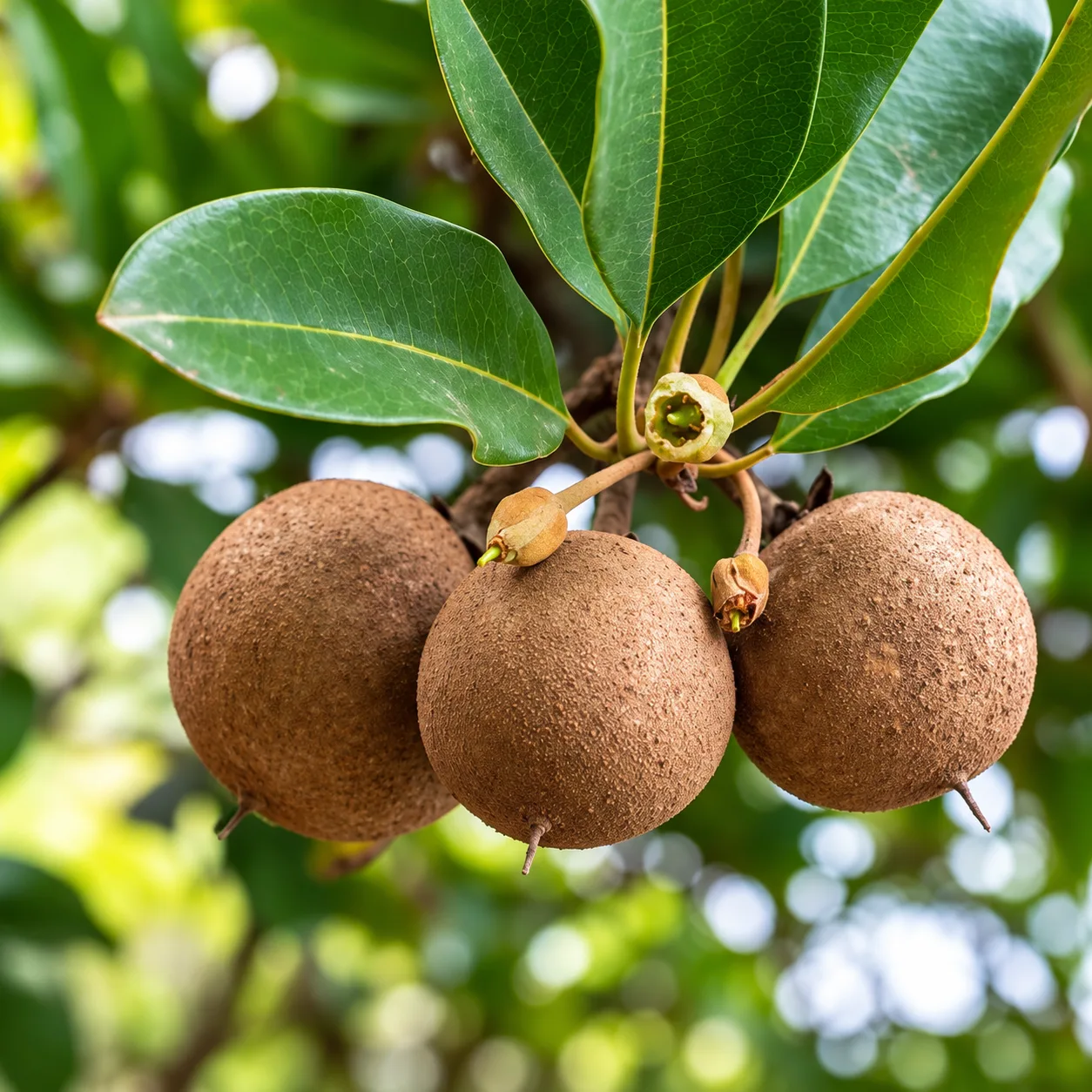
- Produces brown-skinned fruits with soft, sweet and aromatic flesh when fully ripe.
- Healthy mature plants can flower and develop fruits several times during the year in warm tropical conditions.
- Maintains attractive green foliage throughout most of the year.
- Performs especially well in tropical and subtropical regions with warm temperatures and good sunlight.
- A properly maintained Chiku tree can remain productive for many years and is suitable for both home gardens and commercial orchards.
More About This Plant
The Chiku Plant, botanically known as Manilkara zapota, is an evergreen tropical fruit tree belonging to the Sapotaceae family. It is commonly called Chiku, Chikoo, Sapota or Sapodilla.
The tree develops a dense canopy of glossy green leaves and produces small cream-white flowers throughout several parts of the year. These flowers gradually develop into round or oval brown fruits.
Ripe Chiku fruits contain soft, sweet, grainy flesh with a rich caramel-like flavour. The fruits are commonly eaten fresh and are also used for milkshakes, desserts, ice creams, smoothies and other sweet preparations.
The plant performs best in full sunlight, warm temperatures and well-draining soil. Once established, Chiku becomes relatively hardy and can tolerate short periods of dryness, although consistent moisture improves fruit development.
Young trees benefit from regular watering and formative pruning. Mature trees require only moderate pruning to maintain a healthy, open canopy and manageable height.
Chiku is particularly suitable for Indian home gardens and orchards because of its adaptability to tropical conditions and its ability to produce flowers and fruits over an extended season.
Product Specifications
General
Appearance
Fruit
Flowering
Growth
Growing Conditions
Climate
Chiku / Sapodilla Seasonal Care Guide
During summer, developing fruits require consistent moisture. Water deeply during prolonged hot weather and apply mulch around the root zone to reduce evaporation. Young plants may need more frequent watering.
During the monsoon season, natural rainfall supports vigorous growth. Reduce supplemental watering and ensure excellent drainage. Avoid prolonged waterlogging around the roots and monitor the canopy for fungal problems.
During autumn, another flowering flush may develop under favourable conditions. Maintain balanced nutrition and keep the canopy open and well ventilated.
During winter, fruit development and harvesting may continue depending on variety and climate. Reduce watering slightly during cooler periods but do not allow the root zone to dry completely. Protect young plants from unusually cold weather.
Product FAQs
Is Chiku the same as Sapodilla?
How much sunlight does a Chiku Plant need?
Can Chiku be grown in a pot?
How tall does a Chiku tree grow?
Does Chiku fruit throughout the year?
Customer reviews
Product Image Gallery
Also in Outdoor Plants
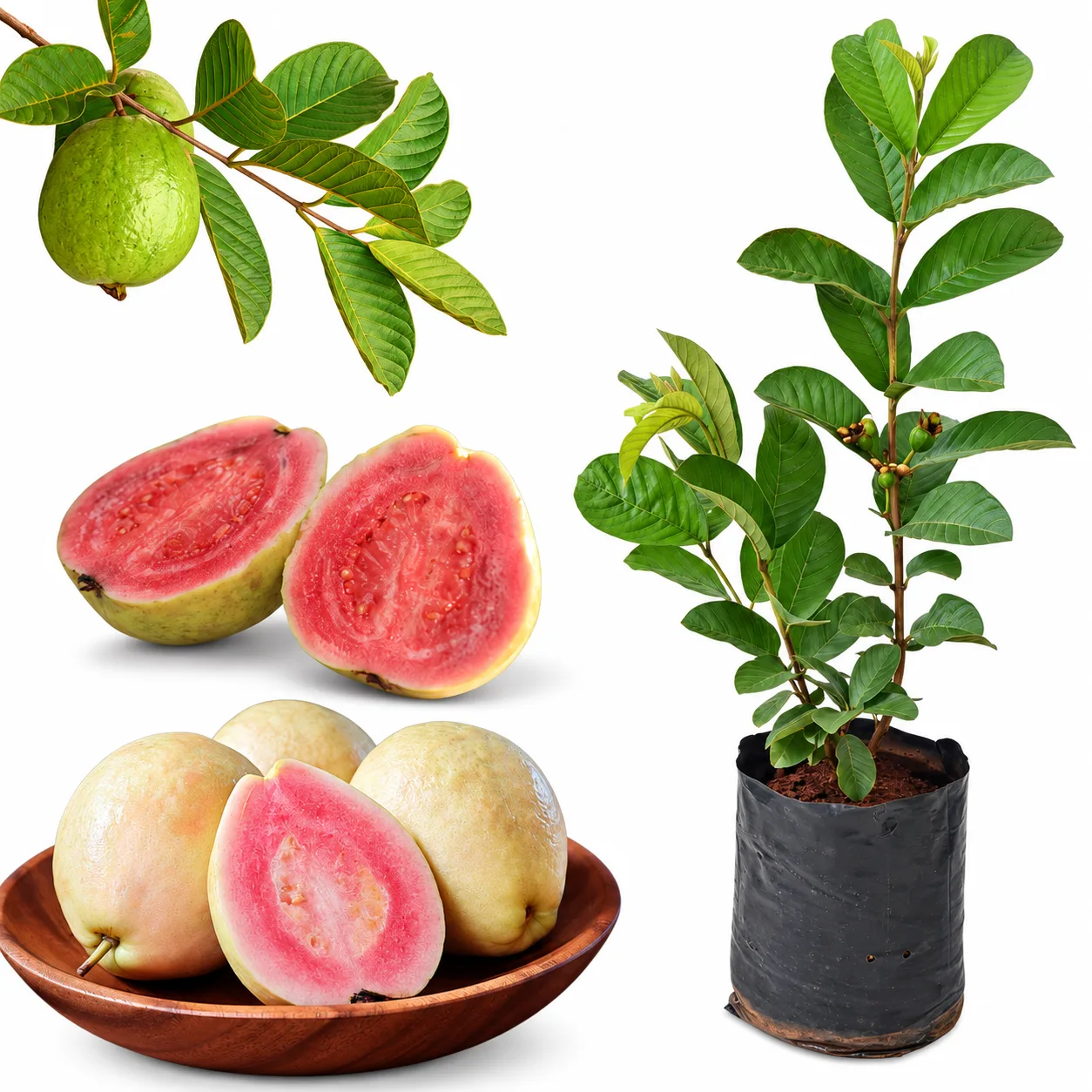
Red Diamond Guava Live Plant (Grafted) – Psidium guajava Red Flesh Fruit Plant for Home Garden & Orchard
Outdoor Plants
₹439.00
₹1199.00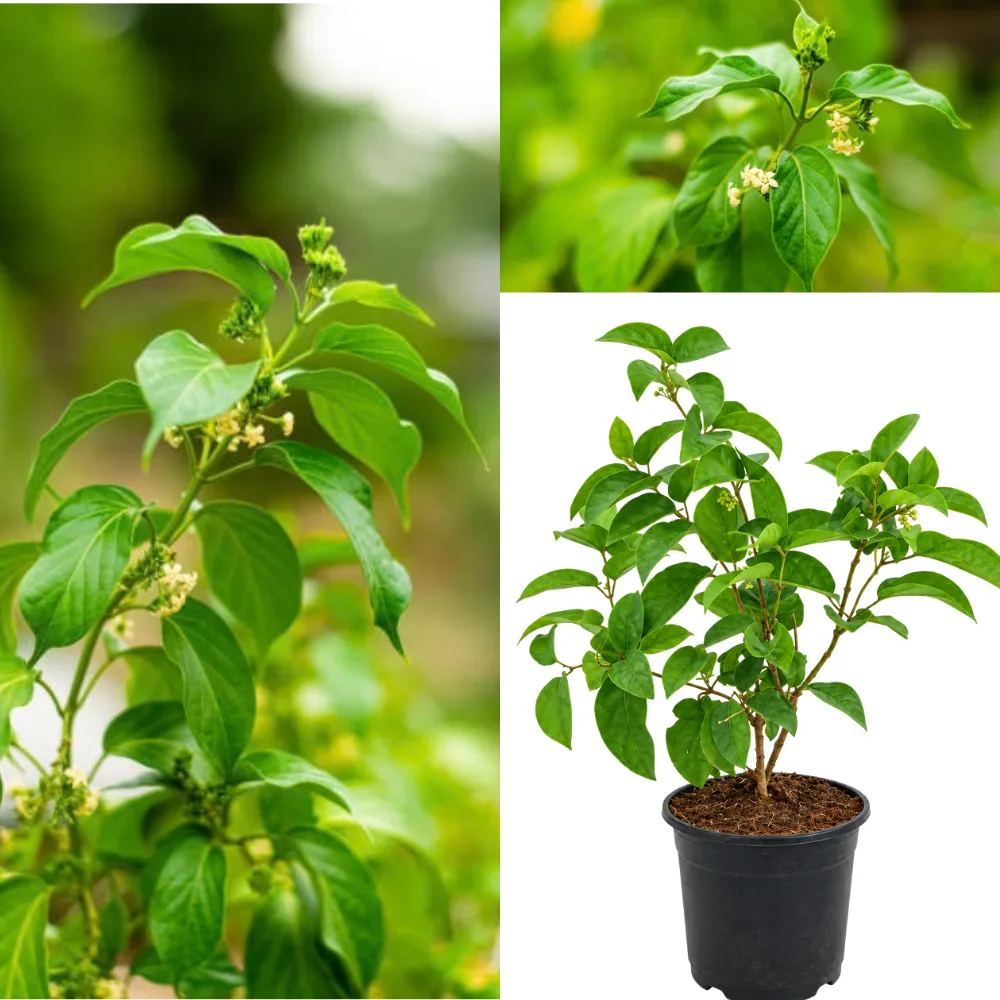
Gurmar Live Plant – Gymnema sylvestre Herbal Medicinal Climber for Home Garden & Indian Climate
Outdoor Plants
₹350.00
₹999.00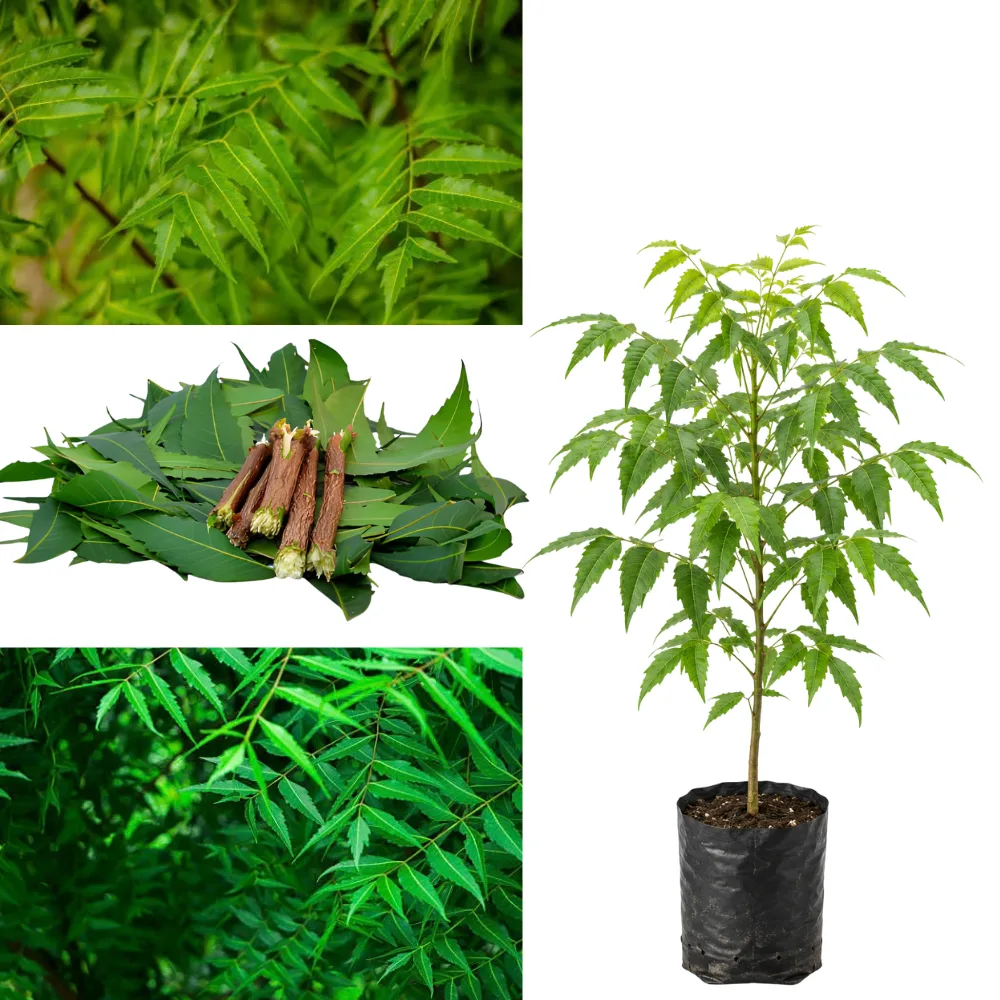
Neem Live Plant – Azadirachta indica Evergreen Shade Tree for Home Garden, Farm & Landscaping
Outdoor Plants
₹350.00
₹899.00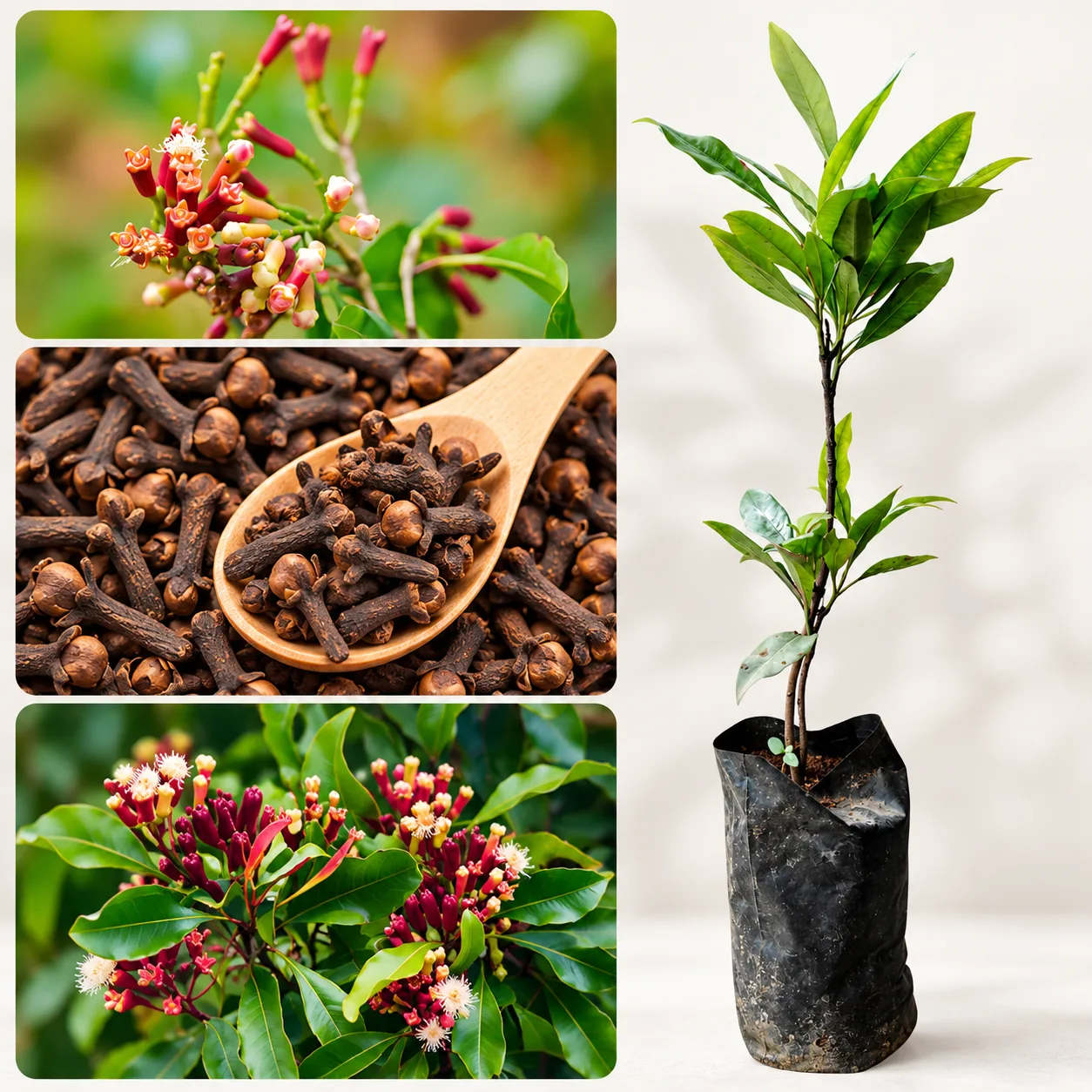
Clove Live Plant (Laung) – Syzygium aromaticum Aromatic Spice Tree for Home Garden & Tropical Climate
Outdoor Plants
₹470.00
₹1199.00
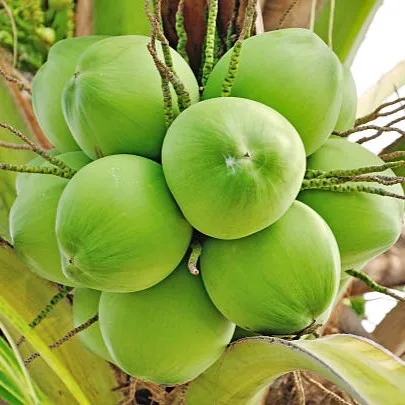
Coconut Plant – Live Cocos nucifera Tropical Fruit Palm for Home Garden, Farm & Plantation
Outdoor Plants
₹770.00
₹1999.00You Might Also Like
Red Diamond Guava Live Plant (Grafted) – Psidium guajava Red Flesh Fruit Plant for Home Garden & Orchard
Outdoor Plants
₹439.00
₹1199.00
Gurmar Live Plant – Gymnema sylvestre Herbal Medicinal Climber for Home Garden & Indian Climate
Outdoor Plants
₹350.00
₹999.00
Neem Live Plant – Azadirachta indica Evergreen Shade Tree for Home Garden, Farm & Landscaping
Outdoor Plants
₹350.00
₹899.00
Clove Live Plant (Laung) – Syzygium aromaticum Aromatic Spice Tree for Home Garden & Tropical Climate
Outdoor Plants
₹470.00
₹1199.00
Coconut Plant – Live Cocos nucifera Tropical Fruit Palm for Home Garden, Farm & Plantation
Outdoor Plants