Clove Live Plant (Laung) – Syzygium aromaticum Aromatic Spice Tree for Home Garden & Tropical Climate
₹470.00
₹1199.00 61% OFF
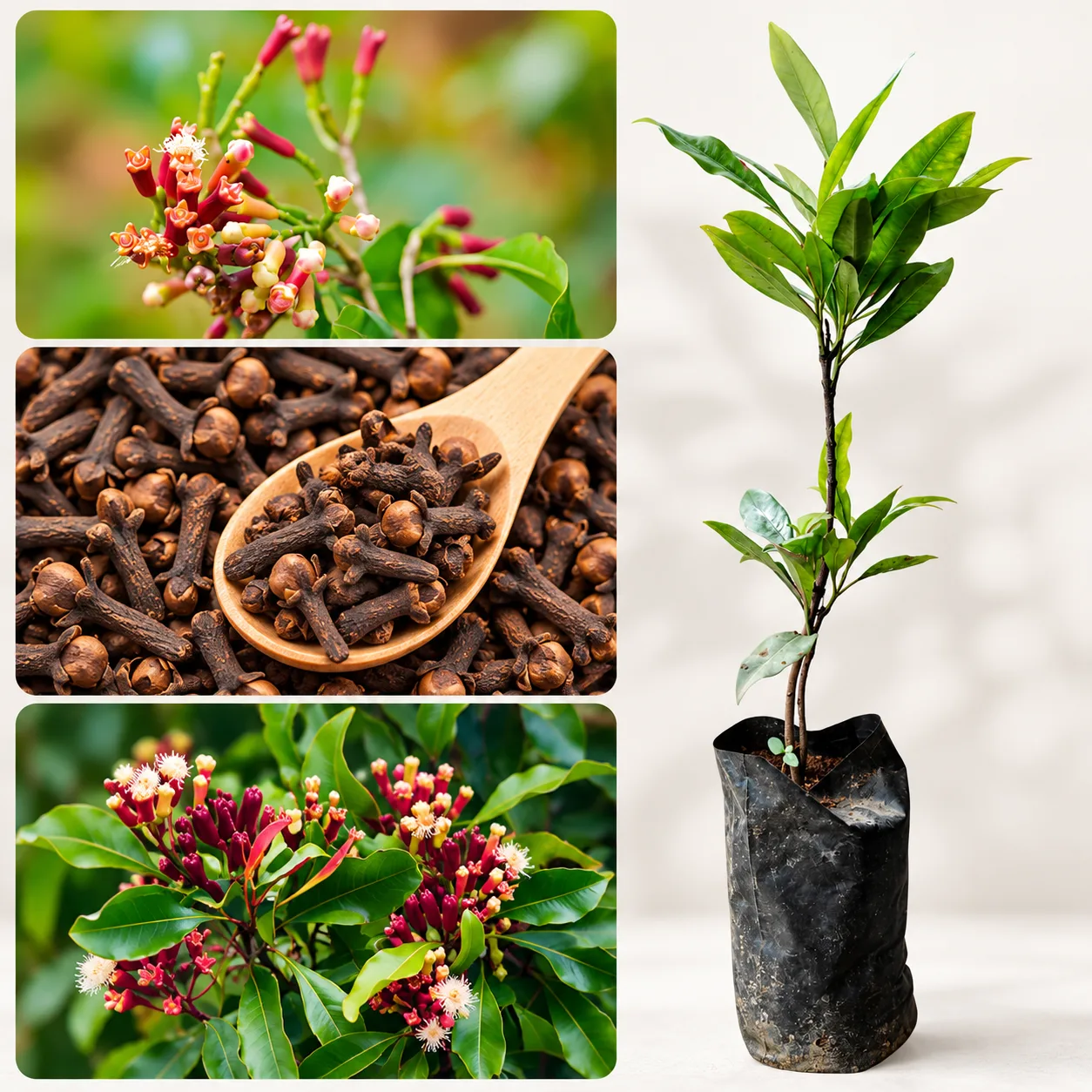
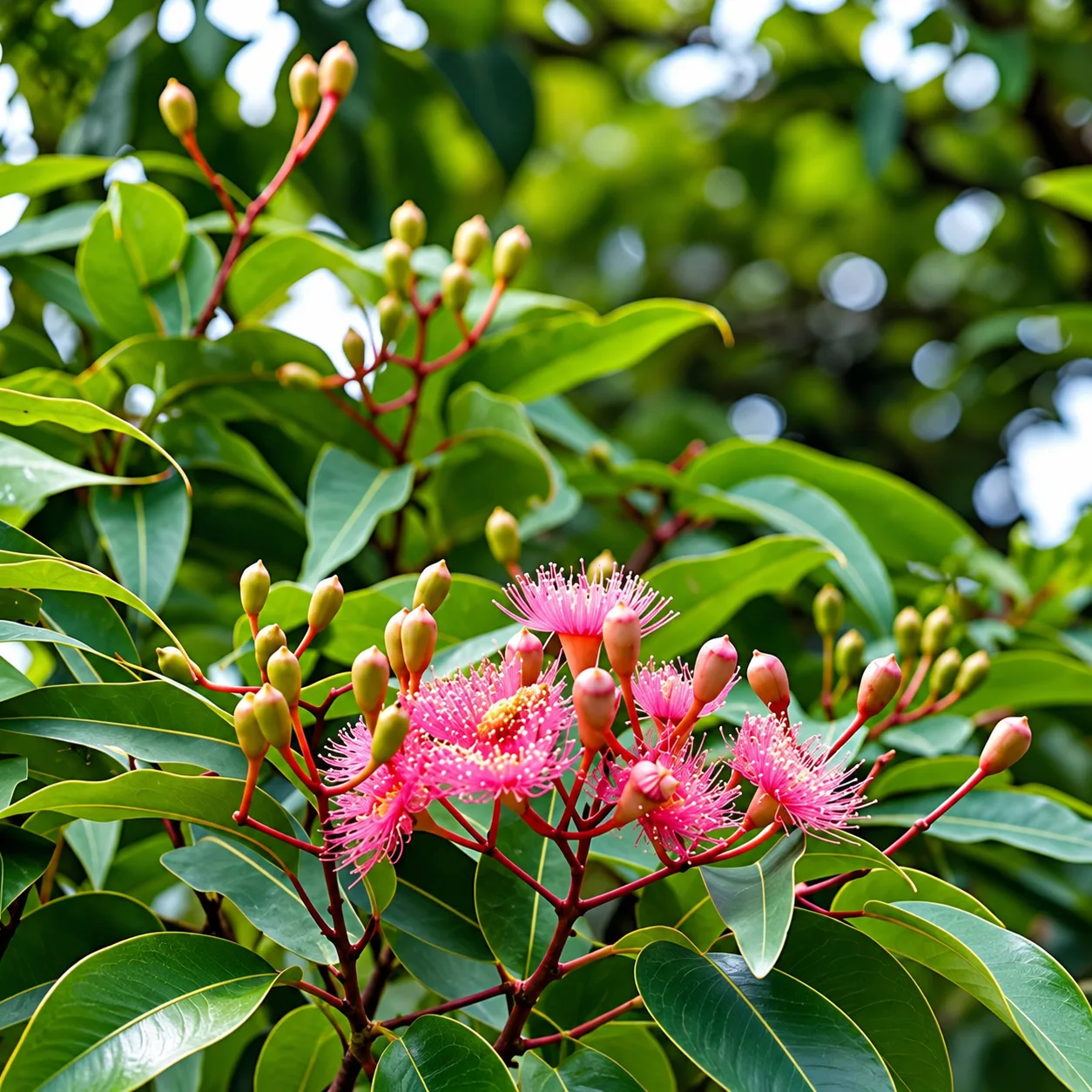
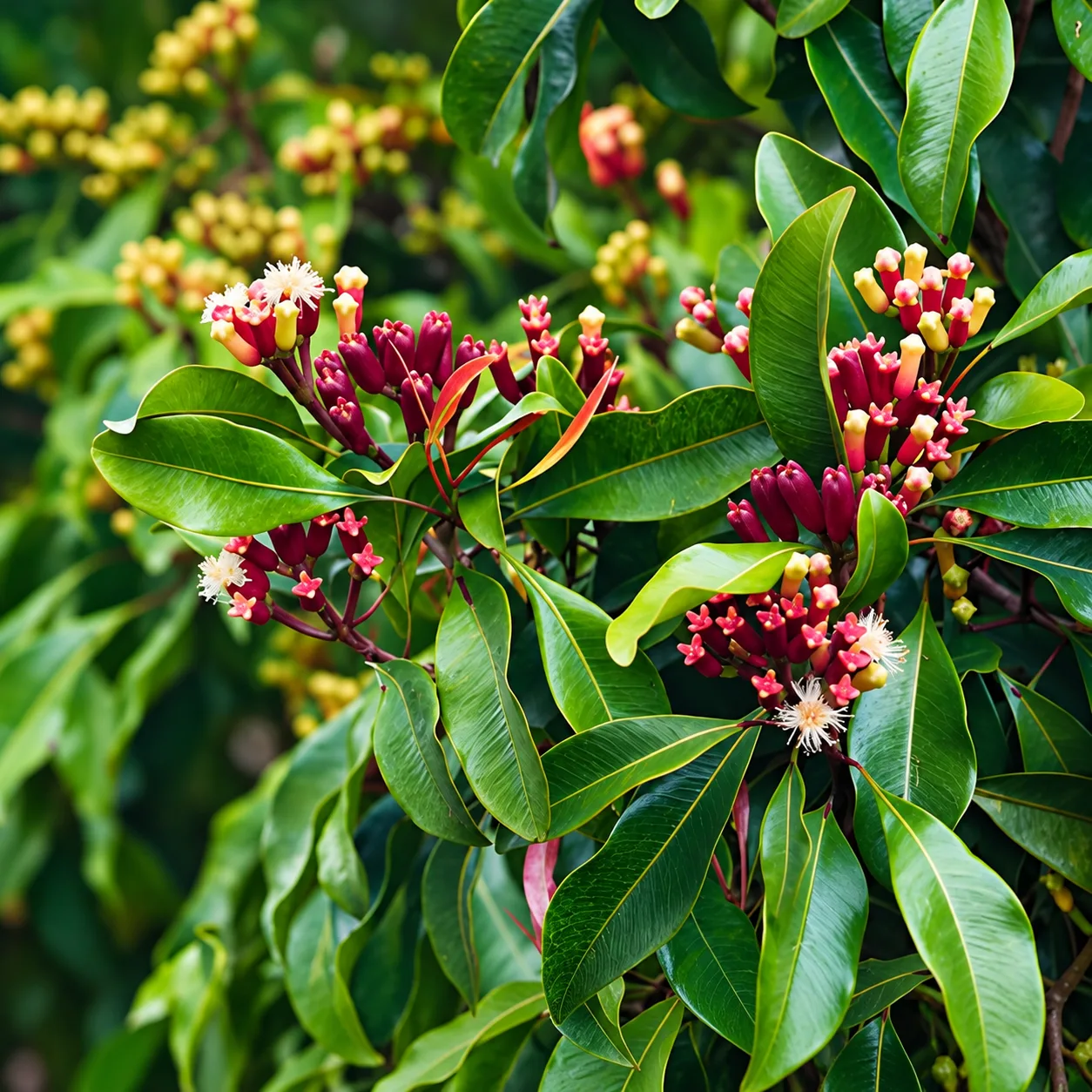
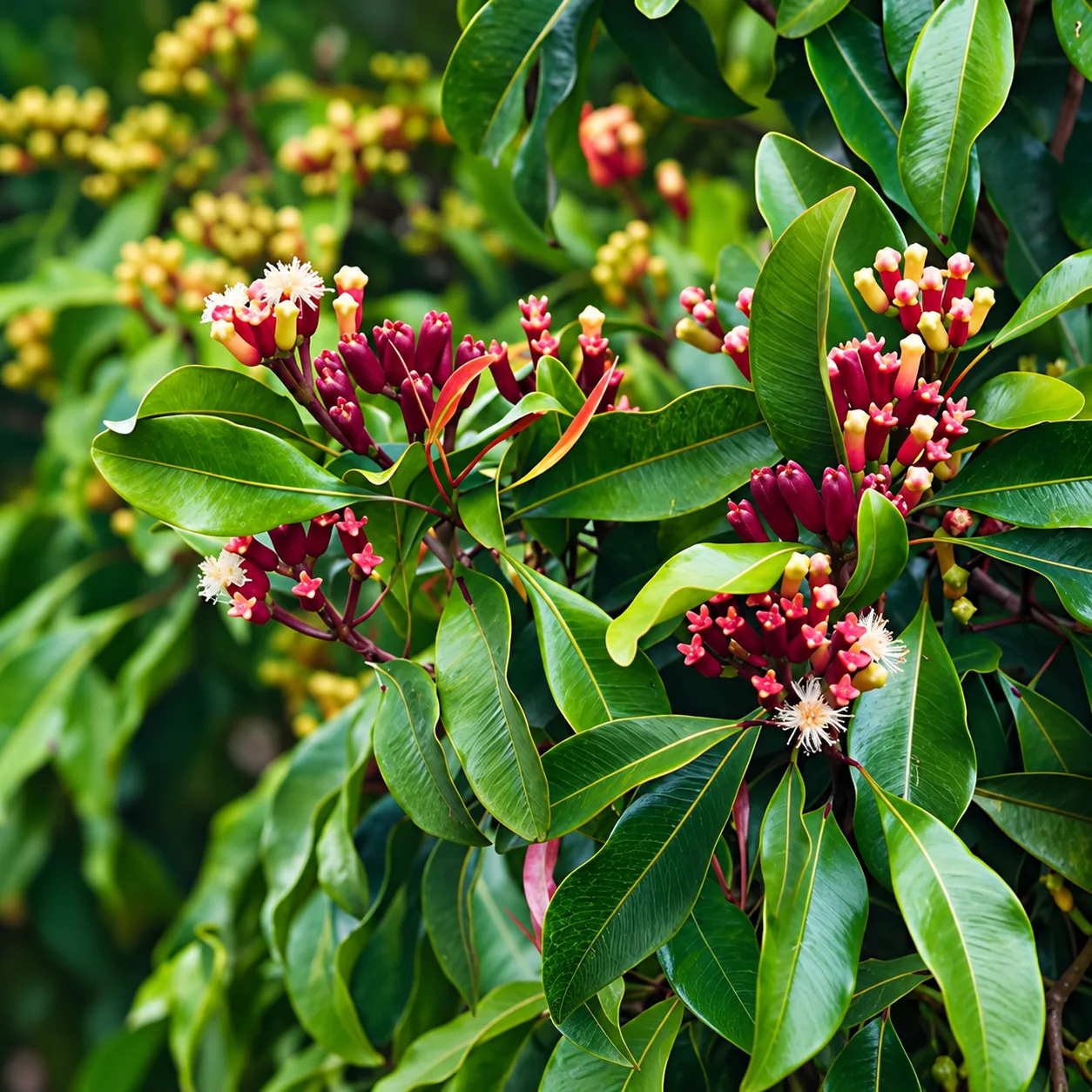
The Clove Live Plant (Syzygium aromaticum), commonly known as Laung or Lavang, is an evergreen tropical spice tree famous for producing the aromatic flower buds used as Clove. With glossy green foliage, fragrant plant parts and valuable spice-producing potential, it is an excellent choice for warm, humid home gardens, farms and specialty spice collections.
Plant Information
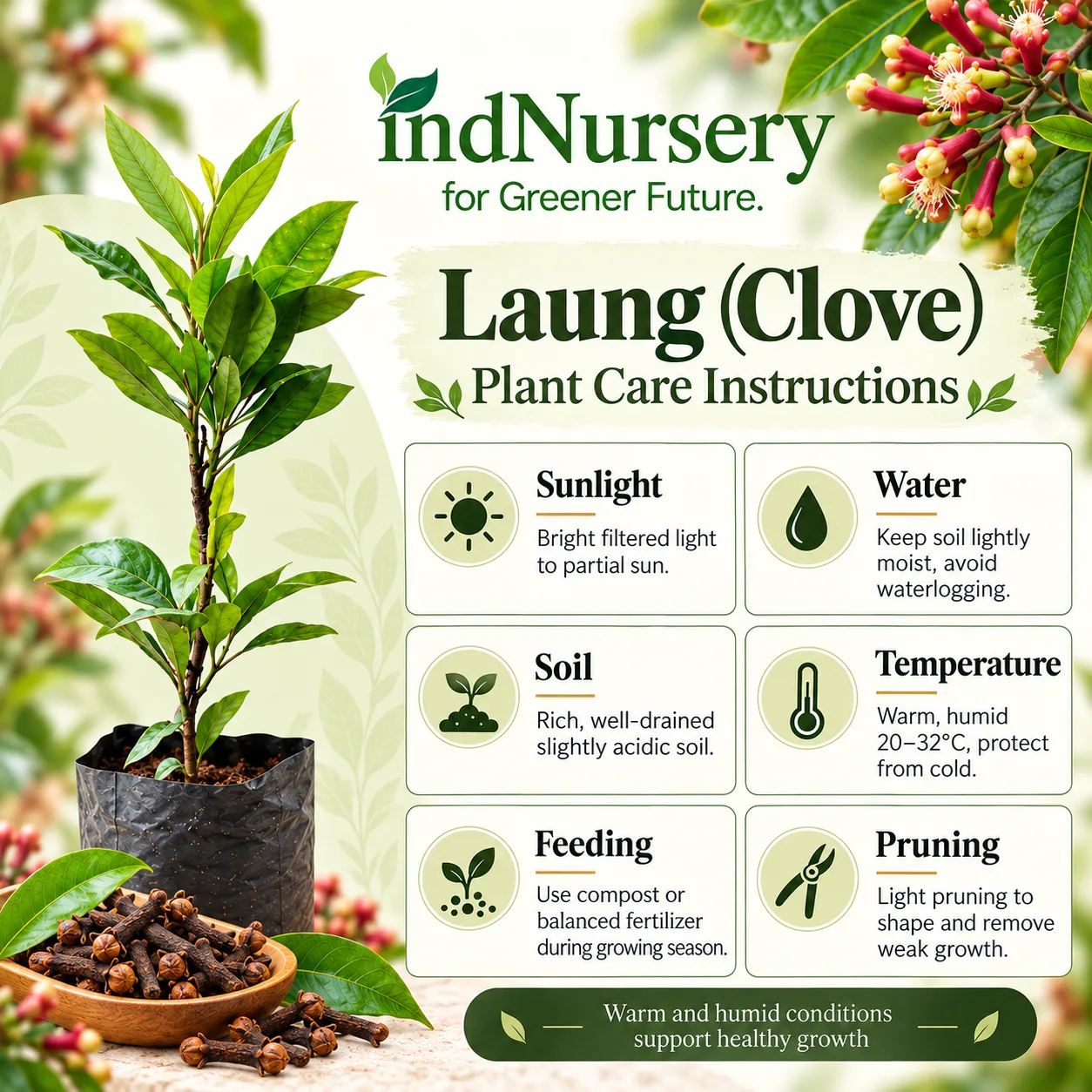
Care Instructions
In the Box
- 1. 1 Unit of Clove Plant
Key Features
- The unopened flower buds can be harvested and dried to produce the aromatic spice commonly known as Clove or Laung.
- Leaves, flower buds and other plant parts contain aromatic compounds that give Clove its characteristic warm fragrance.
- Maintains attractive glossy green foliage throughout the year in suitable warm climates.
- Clove is widely used in Indian cooking, tea, spice blends, pickles, desserts and aromatic preparations.
- A properly established Clove tree can remain productive for many years under suitable tropical growing conditions.
More About This Plant
The Clove Plant, botanically known as Syzygium aromaticum, is a tropical evergreen spice tree belonging to the Myrtaceae family.
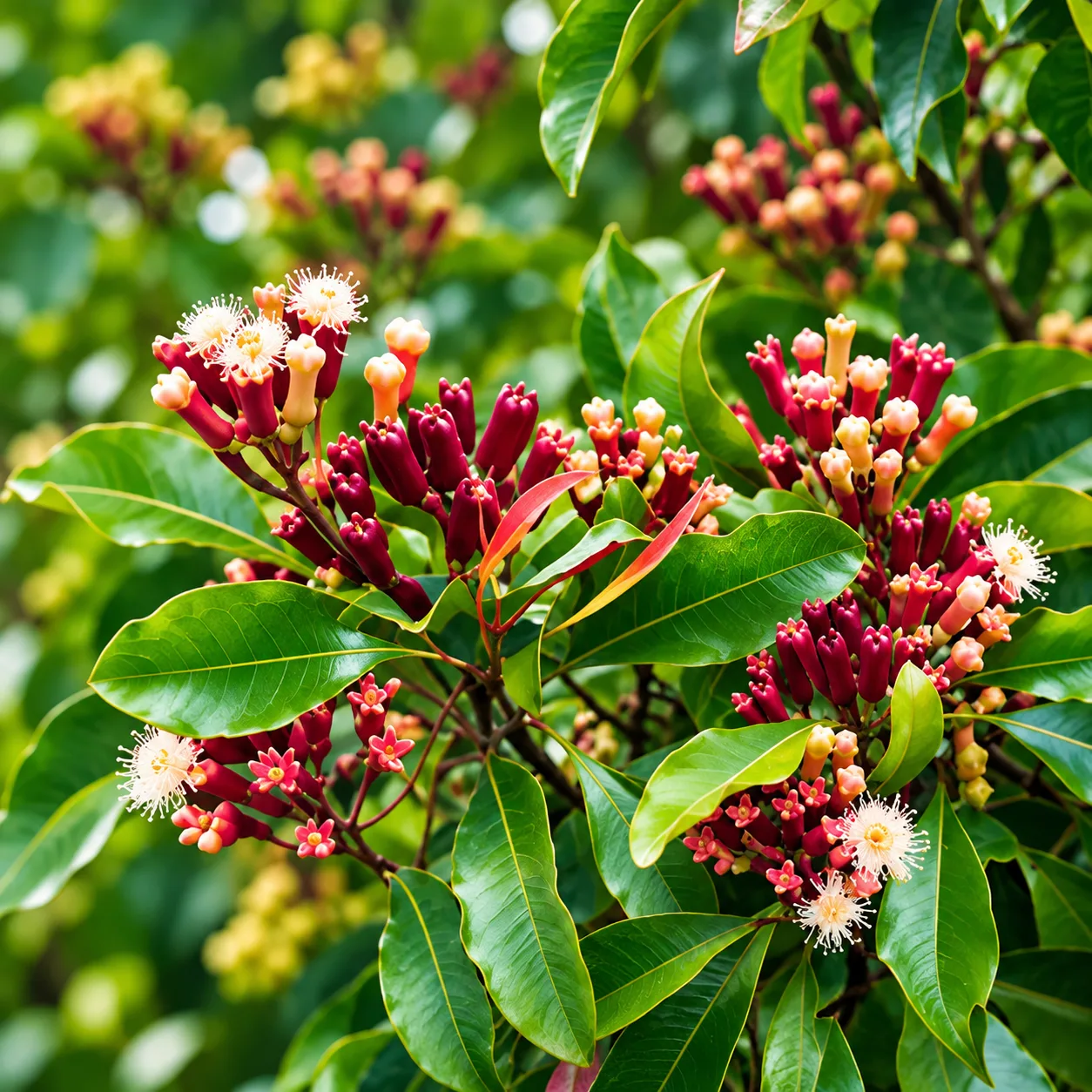
The plant develops glossy green leaves and naturally forms a dense, attractive canopy. Young foliage may show reddish or bronze tones before becoming deep green.
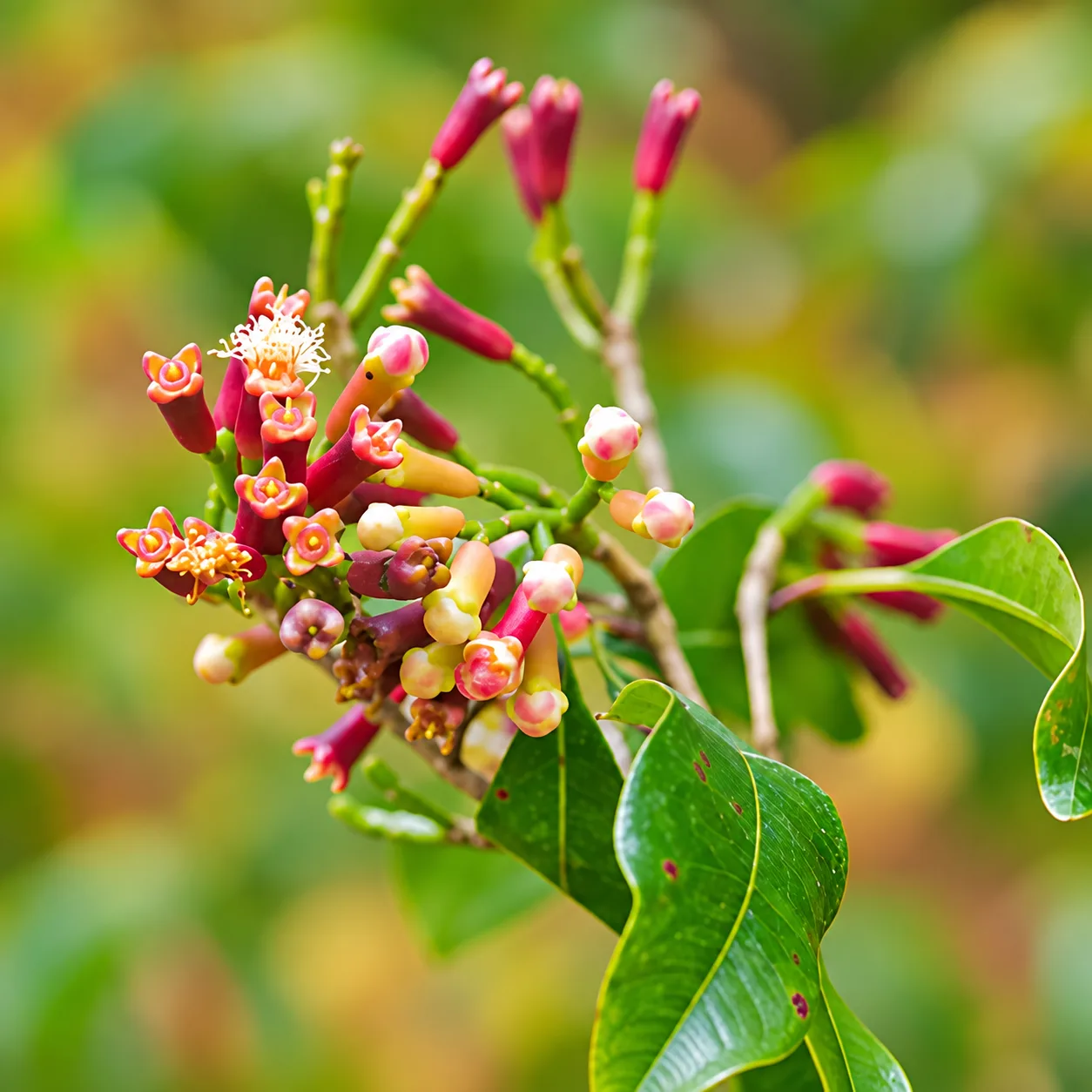
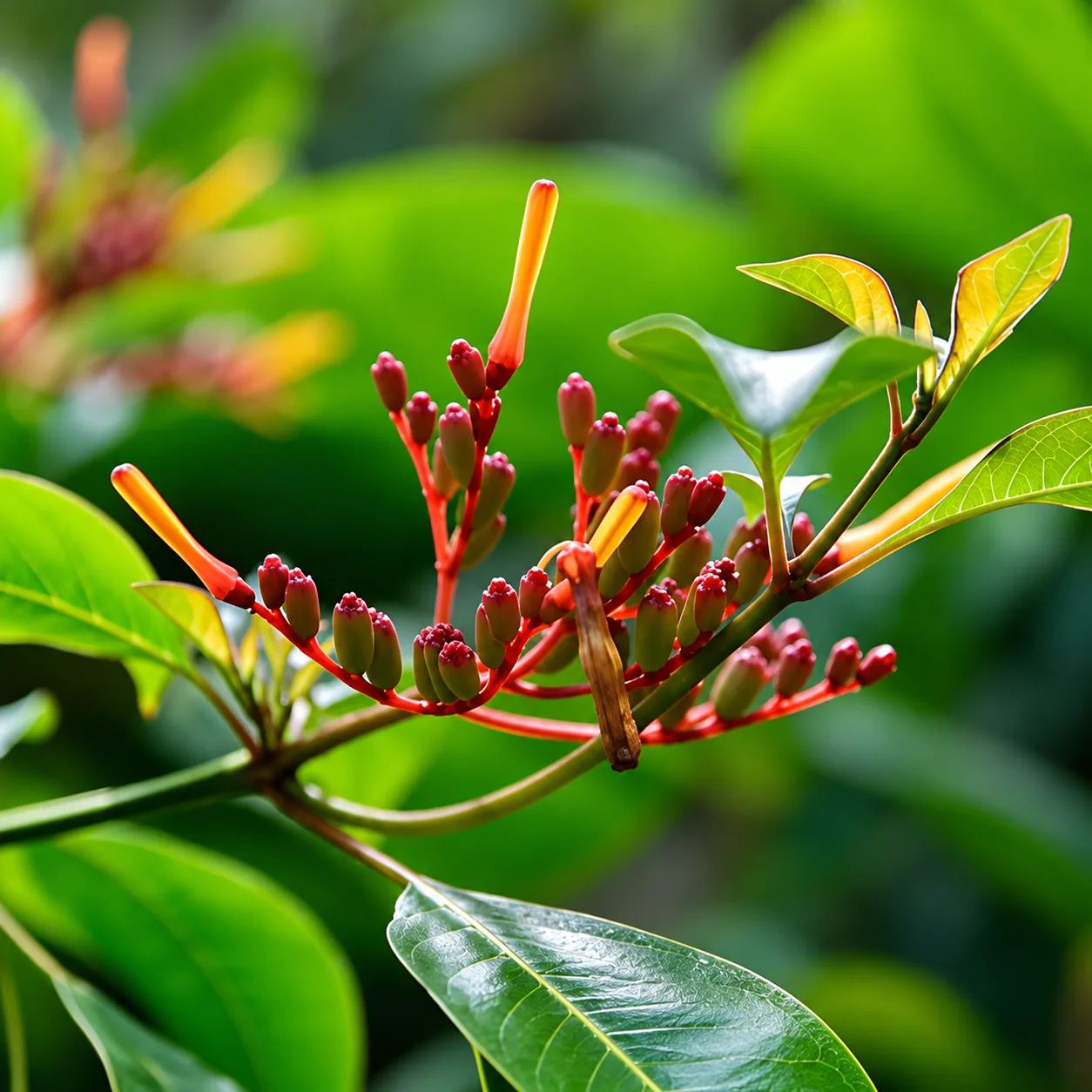
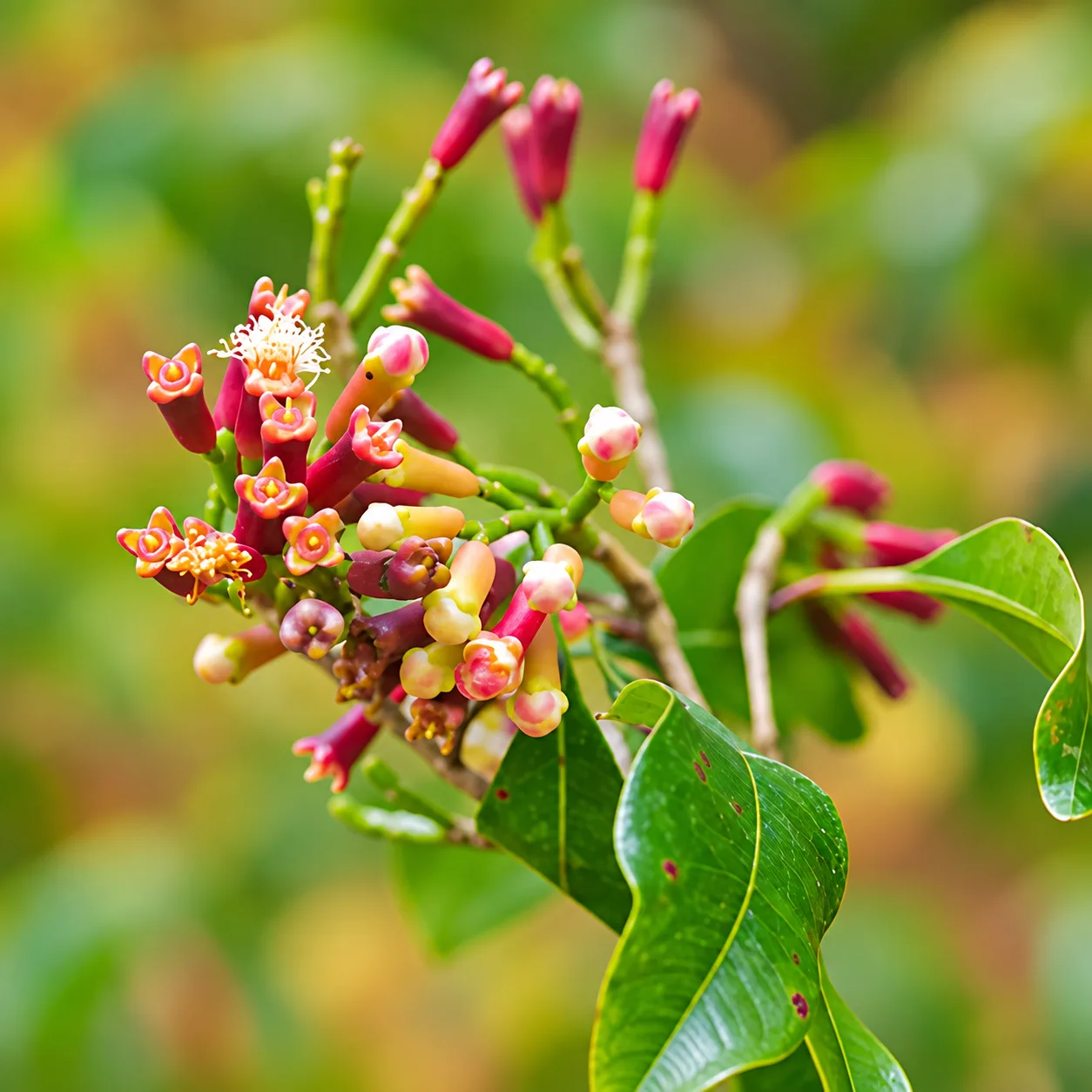
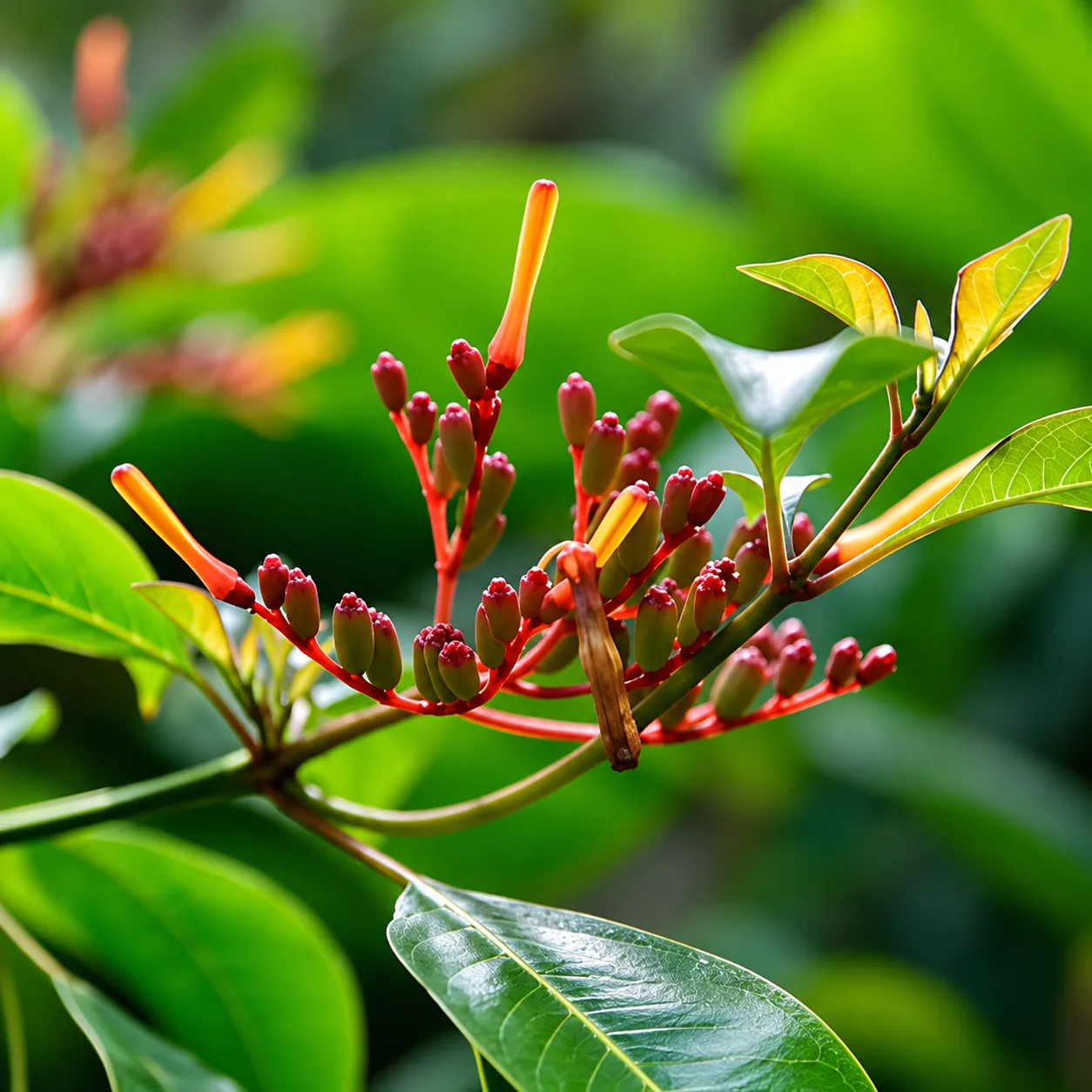
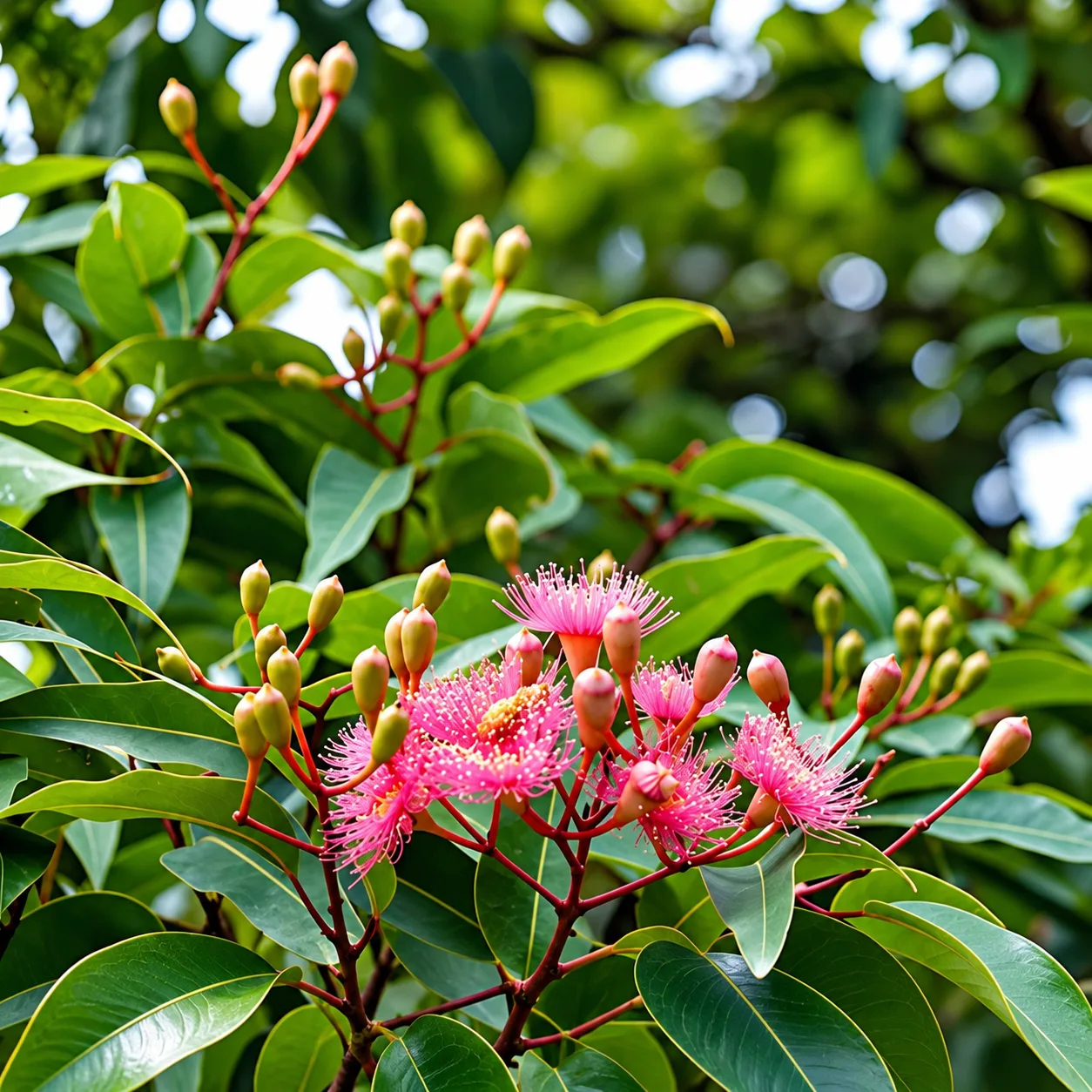
Clove is cultivated primarily for its unopened flower buds. These buds initially appear green, gradually develop a pinkish-red coloration as they mature and are harvested before opening. After drying, they become the dark brown aromatic spice known as Clove or Laung.
The plant prefers a warm, humid tropical climate, fertile soil rich in organic matter and regular moisture. Young plants benefit from partial shade, while mature trees tolerate more direct sunlight.
Clove grows slowly compared with many tropical plants and requires patience before reaching productive maturity. Once established, however, it develops into a long-lived evergreen tree with significant ornamental and spice value.
The plant performs particularly well in regions with warm temperatures, high humidity and evenly distributed moisture throughout much of the year.
Product Specifications
General
Appearance
Growth
Growing Conditions
Climate
Flowering
Clove / Laung Seasonal Care Guide
During summer, keep the soil consistently moist and protect young plants from extreme afternoon heat. High humidity is beneficial, but good airflow should always be maintained.
During the monsoon season, natural humidity and rainfall support strong growth. Reduce supplemental irrigation according to rainfall and ensure that excess water drains freely. Watch carefully for fungal problems during prolonged wet weather.
During autumn, continue moderate feeding and watering while temperatures remain warm. Mature plants may continue developing flower buds depending on climate and growth stage.
During winter, growth may slow in cooler regions. Reduce watering slightly while keeping the soil from becoming completely dry. Protect young plants from cold winds and temperatures below approximately 10–12°C.
In consistently tropical climates, Clove can remain actively growing for much of the year.
Product FAQs
Is the Clove spice actually a flower?
Can Clove Plant grow in India?
Does Clove Plant need full sunlight?
Can Clove be grown in a pot?
How tall does a Clove tree grow?
Customer reviews
Product Image Gallery
Also in Outdoor Plants
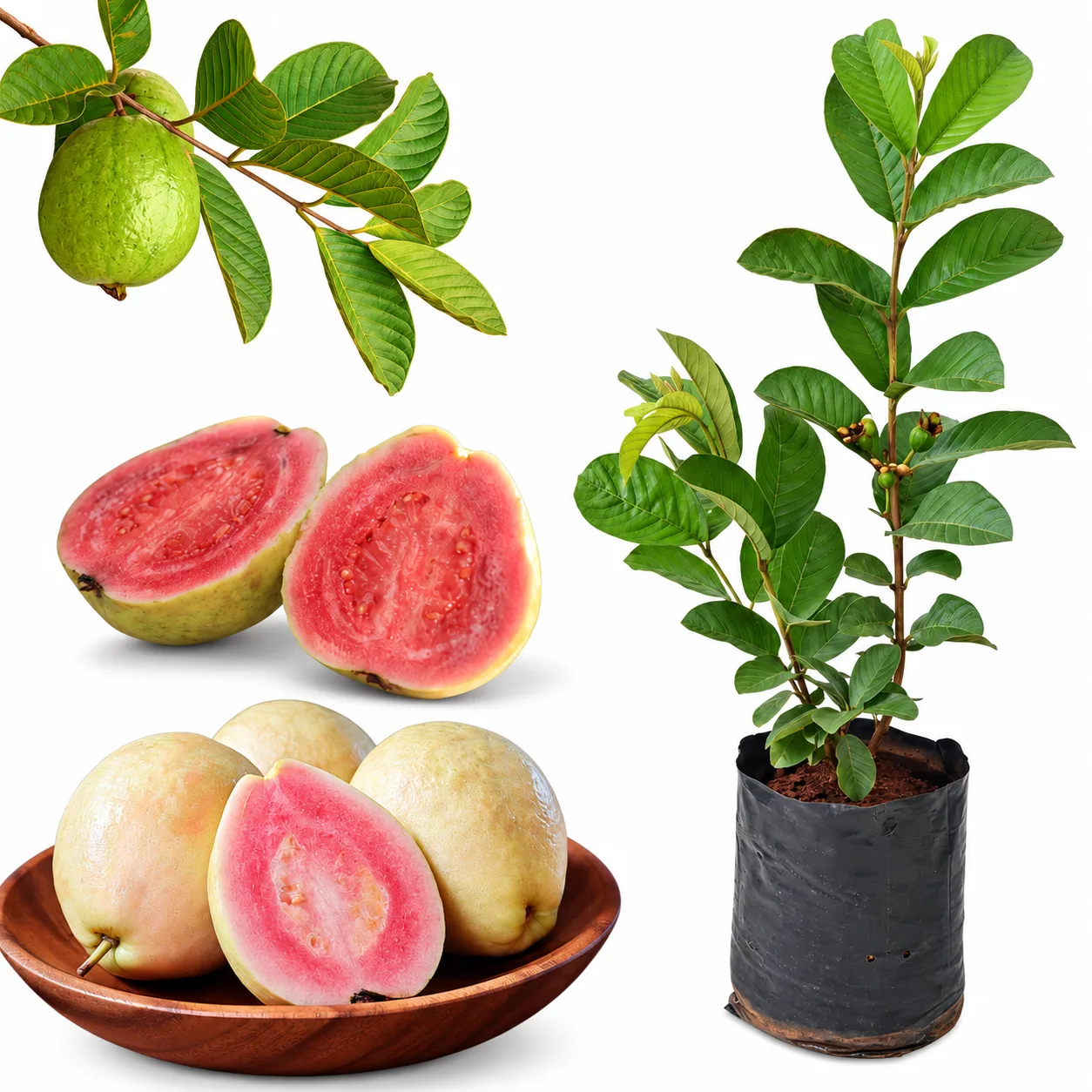
Red Diamond Guava Live Plant (Grafted) – Psidium guajava Red Flesh Fruit Plant for Home Garden & Orchard
Outdoor Plants
₹439.00
₹1199.00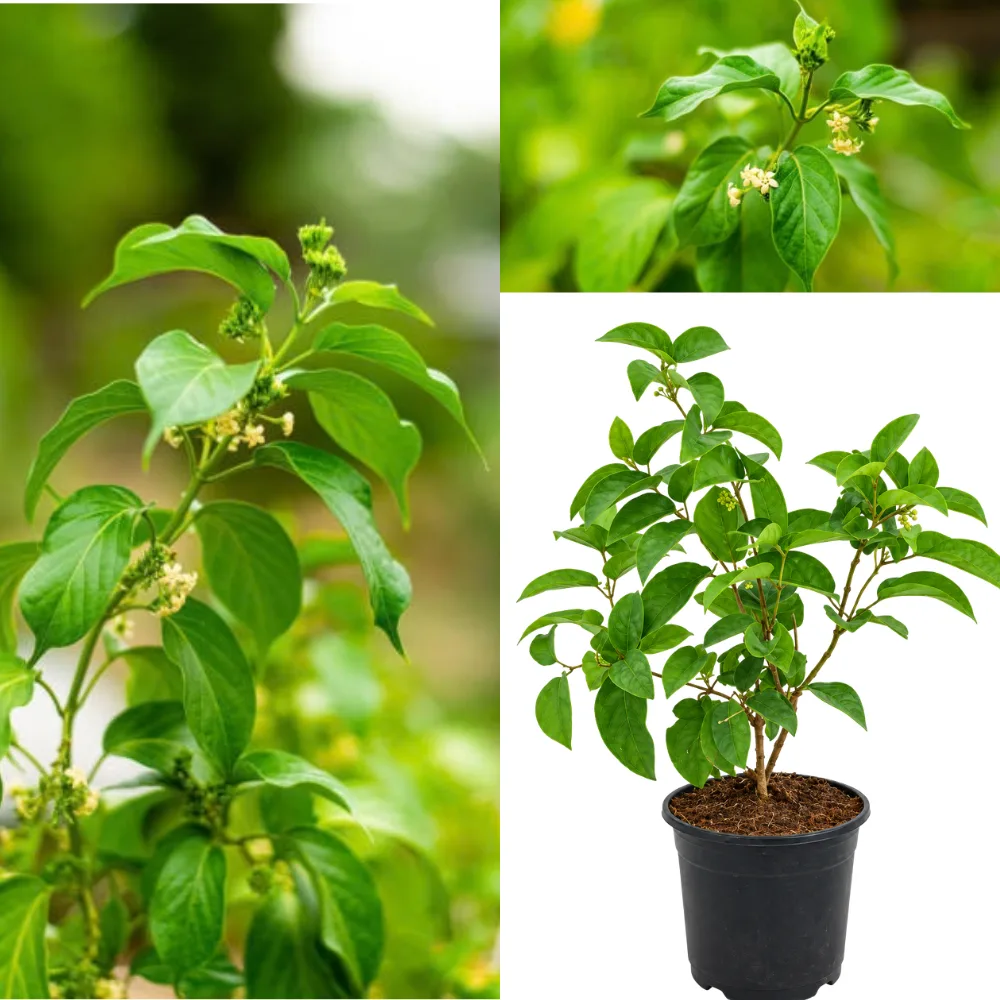
Gurmar Live Plant – Gymnema sylvestre Herbal Medicinal Climber for Home Garden & Indian Climate
Outdoor Plants
₹350.00
₹999.00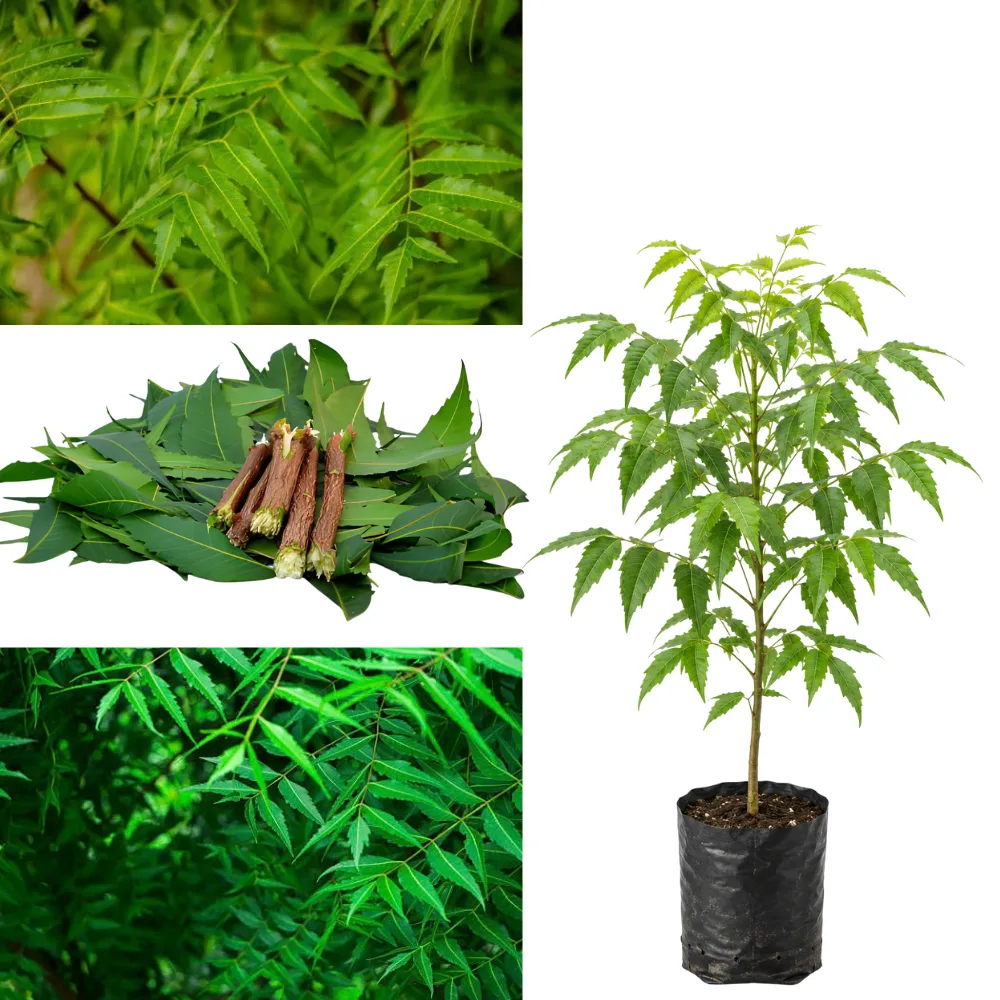
Neem Live Plant – Azadirachta indica Evergreen Shade Tree for Home Garden, Farm & Landscaping
Outdoor Plants
₹350.00
₹899.00
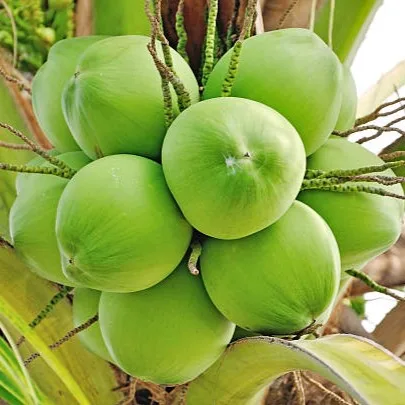
Coconut Plant – Live Cocos nucifera Tropical Fruit Palm for Home Garden, Farm & Plantation
Outdoor Plants
₹770.00
₹1999.00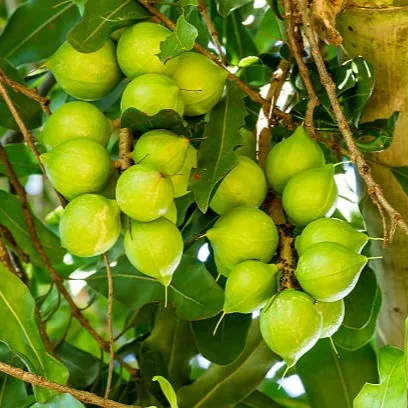
Macadamia Live Plant – Premium Edible Nut Tree for Home Garden, Farm & Tropical Orchard
Outdoor Plants
₹460.00
₹1799.00You Might Also Like
Red Diamond Guava Live Plant (Grafted) – Psidium guajava Red Flesh Fruit Plant for Home Garden & Orchard
Outdoor Plants
₹439.00
₹1199.00
Gurmar Live Plant – Gymnema sylvestre Herbal Medicinal Climber for Home Garden & Indian Climate
Outdoor Plants
₹350.00
₹999.00
Neem Live Plant – Azadirachta indica Evergreen Shade Tree for Home Garden, Farm & Landscaping
Outdoor Plants
₹350.00
₹899.00
Coconut Plant – Live Cocos nucifera Tropical Fruit Palm for Home Garden, Farm & Plantation
Outdoor Plants
₹770.00
₹1999.00
Macadamia Live Plant – Premium Edible Nut Tree for Home Garden, Farm & Tropical Orchard
Outdoor Plants