Coconut Plant – Live Cocos nucifera Tropical Fruit Palm for Home Garden, Farm & Plantation
₹770.00
₹1999.00 61% OFF
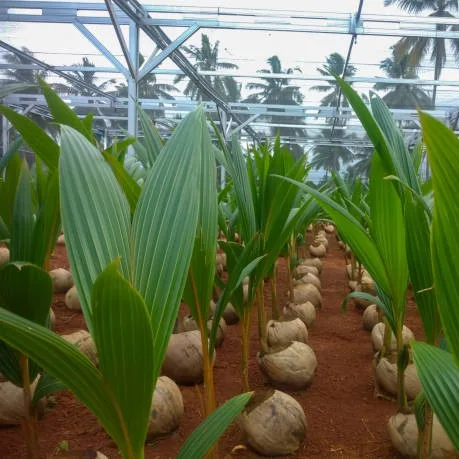
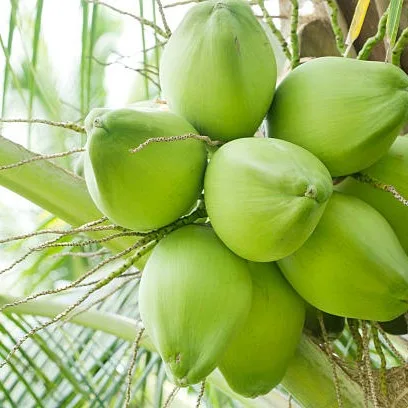
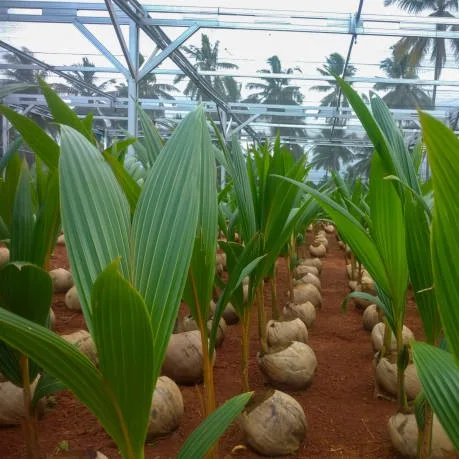
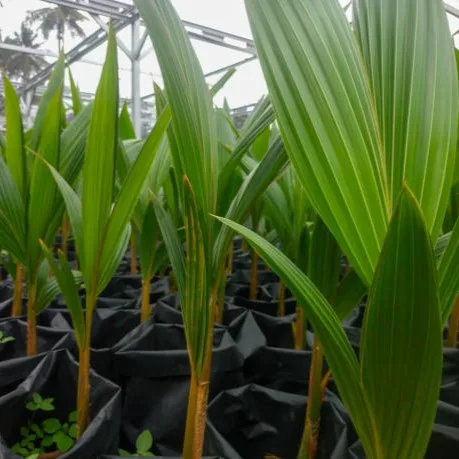
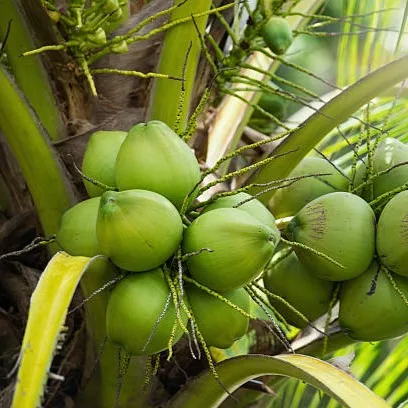
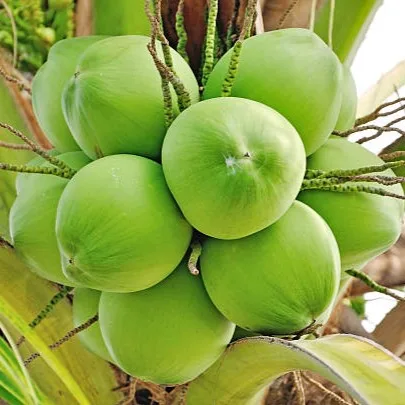
The Coconut Plant (Cocos nucifera) is an iconic tropical fruit palm valued for its refreshing coconuts, graceful green fronds and long productive life. Ideal for warm-climate gardens, farms and plantations, Coconut thrives in full sunlight, deep well-draining soil and consistent moisture, developing into an impressive evergreen palm with excellent fruiting potential.
Plant Information
Care Instructions
In the Box
- 1 unit of Coconut Plant
Key Features
- Its tall trunk and large arching green fronds create a distinctive tropical landscape appearance.
- Mature palms produce coconuts that can be harvested for tender coconut water, soft kernel and mature coconut flesh.
- A healthy Coconut Palm can remain productive for several decades under suitable growing conditions.
- Mature palms in favourable tropical climates can continuously produce flower clusters and fruits at different developmental stages.
- Coconuts are widely used for water, edible kernel, coconut milk, oil, cooking, sweets and numerous household applications.`
More About This Plant
The Coconut Plant, botanically known as Cocos nucifera, is a tropical evergreen palm belonging to the Arecaceae family. It is one of the world's most recognizable and useful fruit palms and is extensively cultivated across coastal and warm regions of India.
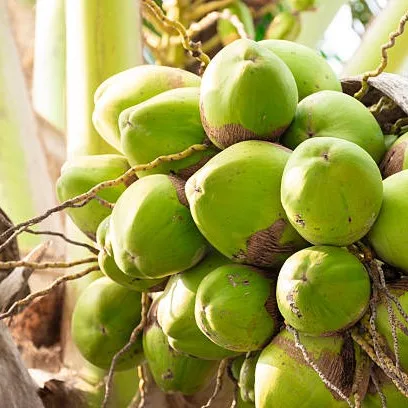
The plant develops a single upright trunk topped by a crown of large, feather-like green leaves. Mature palms produce branched flower clusters containing both male and female flowers, followed by clusters of coconuts.
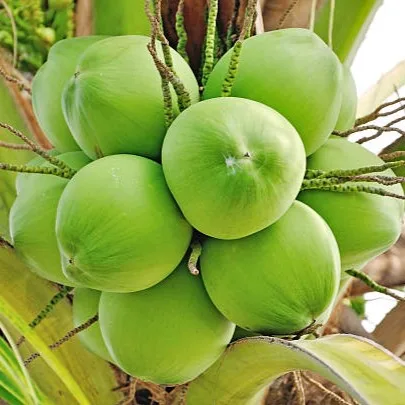
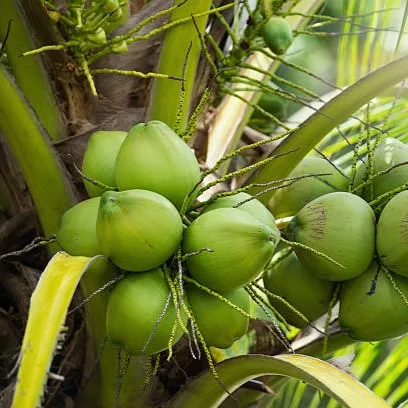
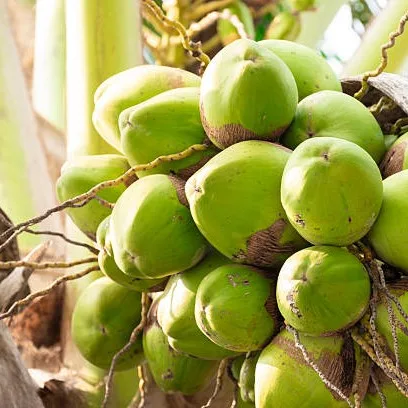
Coconut fruits pass through several developmental stages. Tender green coconuts are valued mainly for their refreshing water and soft kernel, while mature fruits develop firm white flesh that is used for cooking, coconut milk, copra and oil.
Coconut Palms perform best in full sunlight, warm temperatures, adequate humidity and deep well-draining soil. They require sufficient moisture for strong growth and productive fruiting but do not perform well where roots remain continuously waterlogged.
A generic Coconut Plant can eventually become very large. Tall varieties commonly reach 50–80 feet, while dwarf and semi-dwarf cultivars remain shorter. Planting location should therefore allow adequate vertical and horizontal space.
Coconut also benefits from regular nutrition, especially potassium, along with magnesium and other essential micronutrients.
Product Specifications
General
Appearance
Flowering
Growth
Growing Conditions
Climate
Coconut Plant Seasonal Care Guide
During summer, Coconut requires consistent moisture because high temperatures increase water loss. Water deeply during dry periods and apply organic mulch around the root zone while keeping mulch away from the trunk.
During the monsoon season, natural rainfall supports vigorous growth. Reduce supplemental irrigation but ensure that water drains freely. Inspect the crown regularly for fungal problems and palm pests during prolonged humid weather.
During autumn, continue balanced nutrition and inspect developing nuts and leaves for pests. Mature palms may carry flowers and nuts at multiple stages simultaneously.
During winter, growth may slow in cooler areas. Reduce irrigation frequency while preventing complete drying of the root zone. Young palms should be protected from cold winds and unusually low temperatures.
In consistently warm tropical regions, Coconut growth, flowering and fruit development can continue throughout the year.
Product FAQs
How much sunlight does a Coconut Plant need?
How tall does a Coconut Palm grow?
Can Coconut Plant grow away from coastal areas?
How long does a Coconut Plant take to produce fruits?
Does a Coconut Palm flower throughout the year?
Customer reviews
Product Image Gallery
Also in Outdoor Plants
Macadamia Live Plant – Premium Edible Nut Tree for Home Garden, Farm & Tropical Orchard
Outdoor Plants
₹460.00
₹1799.00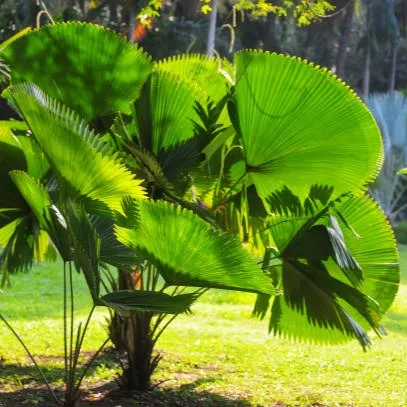
Pichodia Palm / Ruffled Fan Palm – Licuala grandis Live Tropical Big Leaves Plant for Home, Garden & Landscaping
Outdoor Plants
₹770.00
₹1999.00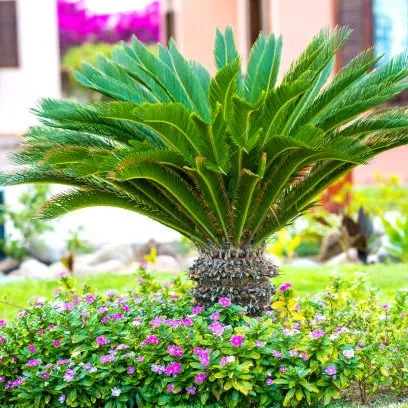
Cycas Live Plant – Cycas revoluta Sago Palm Ornamental Plant for Home, Garden, Balcony & Landscaping
Outdoor Plants
₹720.00
₹2999.00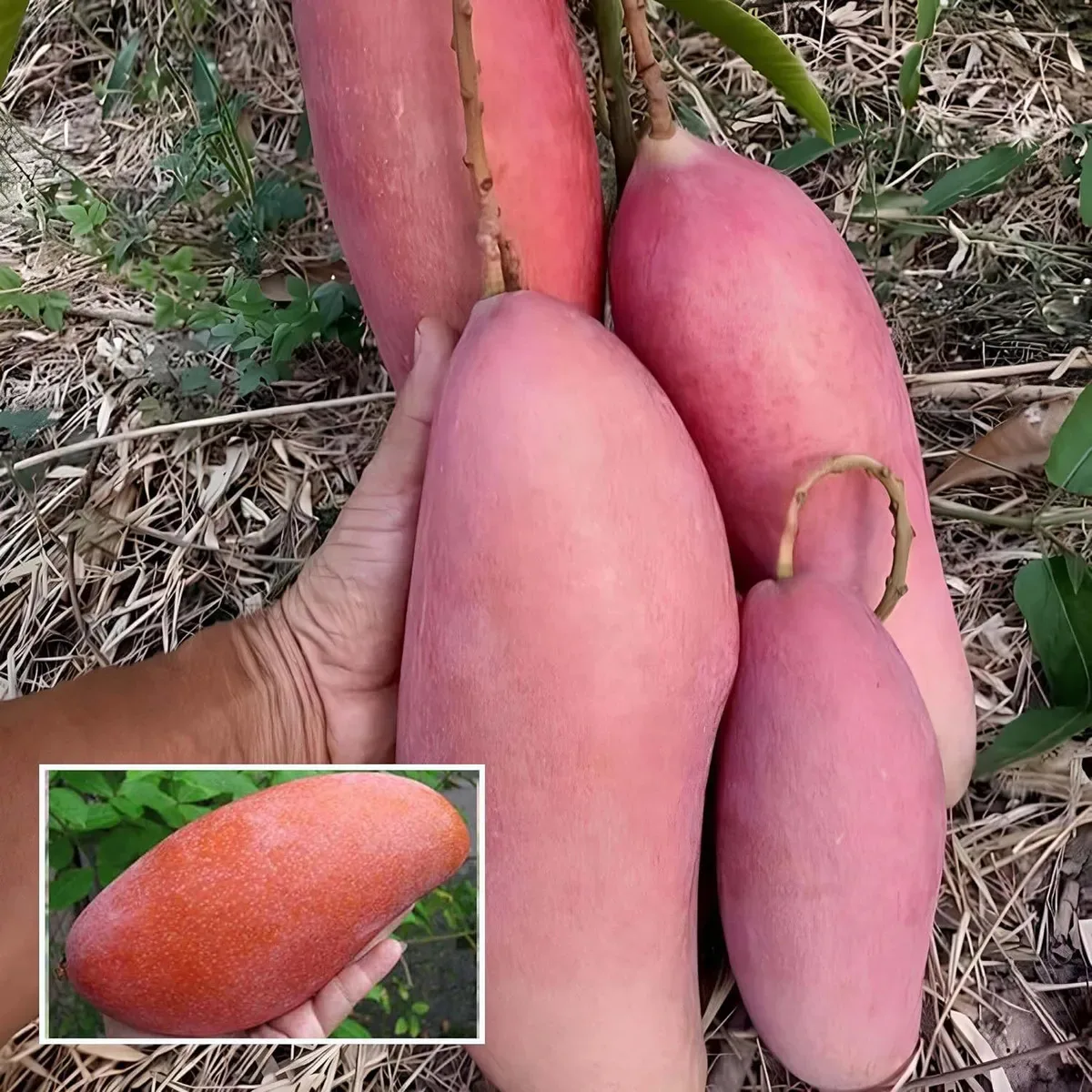
You Might Also Like
Macadamia Live Plant – Premium Edible Nut Tree for Home Garden, Farm & Tropical Orchard
Outdoor Plants
₹460.00
₹1799.00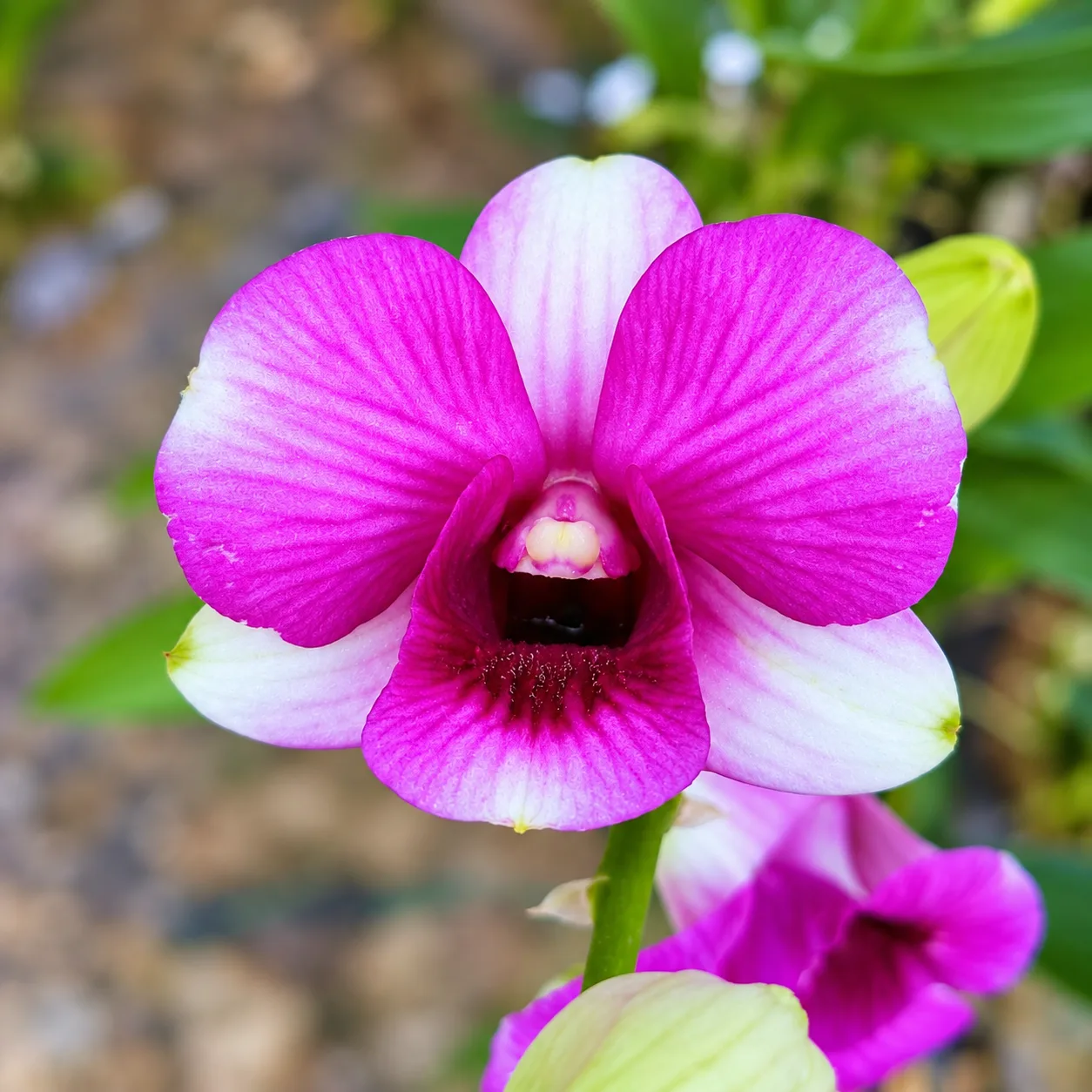
Air Two Tones P1296 Dendrobium Orchid – Live Pink Two-Tone Tropical Flowering Orchid Plant
Orchids
Out of Stock₹650.00
₹1999.00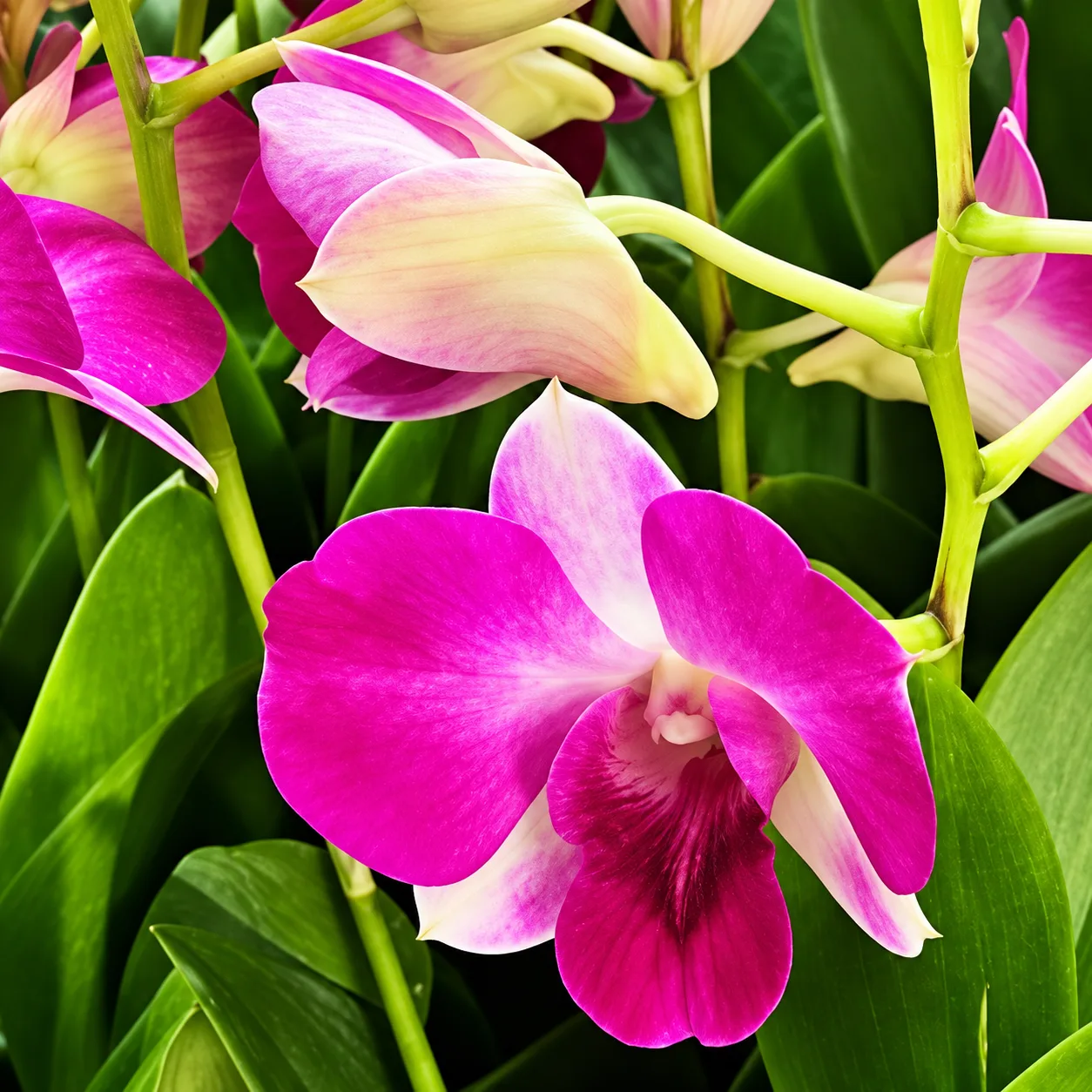
Air Two Tones × Red AB18977 Dendrobium Orchid – Live Red Two-Tone Tropical Flowering Orchid Plant
Orchids
Out of Stock₹650.00
₹1999.00
Pichodia Palm / Ruffled Fan Palm – Licuala grandis Live Tropical Big Leaves Plant for Home, Garden & Landscaping
Outdoor Plants
₹770.00
₹1999.00
Cycas Live Plant – Cycas revoluta Sago Palm Ornamental Plant for Home, Garden, Balcony & Landscaping
Outdoor Plants