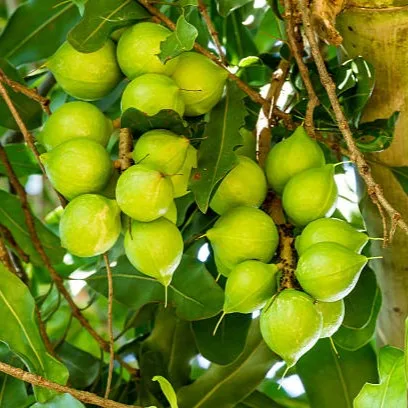
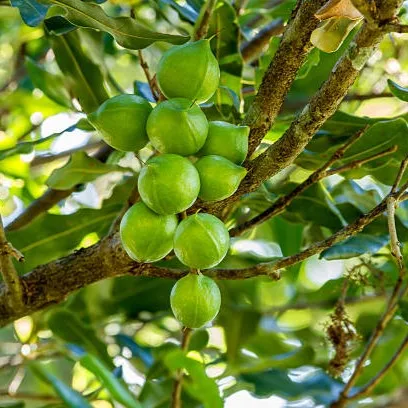
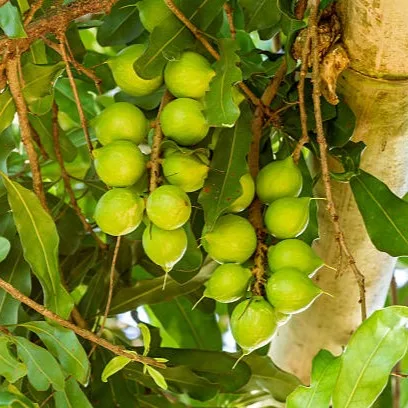
Macadamia Live Plant – Premium Edible Nut Tree for Home Garden, Farm & Tropical Orchard
₹460.00
₹1799.00 74% OFF
The Macadamia Nut Plant (Macadamia integrifolia) is a premium evergreen nut tree valued for its rich, creamy and highly prized edible nuts. With glossy green foliage, attractive flower clusters and long-term productive potential, Macadamia is an excellent choice for tropical and subtropical home gardens, farms and specialty orchards.
Plant Information
Care Instructions
In the Box
- 1 Unit of Macadamia Nut Plant
Key Features
- Produces the famous Macadamia nuts known for their rich, buttery flavour and smooth, crunchy texture.
- Maintains attractive glossy green foliage throughout the year in suitable warm climates.
- A healthy Macadamia tree can remain productive for many years once established.
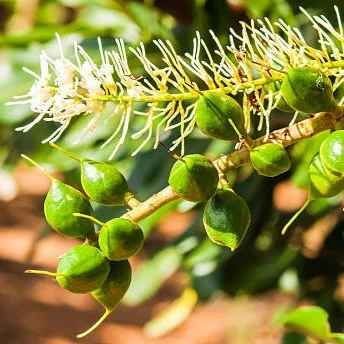
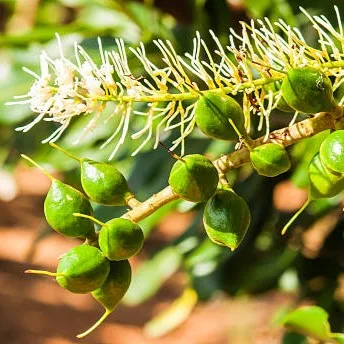
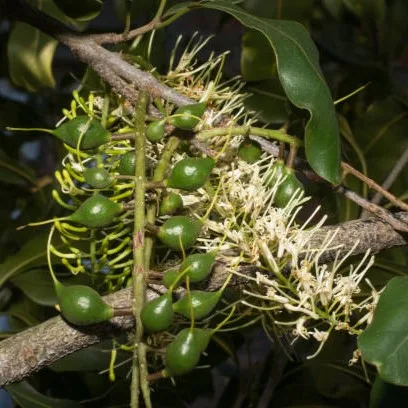
- Produces elegant cream-white flower racemes that add ornamental value before nut development.
- Suitable for warm-climate home gardens, farms and premium nut orchards with sufficient planting space.
More About This Plant
The Macadamia Nut Plant, botanically known as Macadamia integrifolia, is an evergreen nut-bearing tree belonging to the Proteaceae family. It is widely cultivated for its exceptionally rich and flavorful edible kernels.
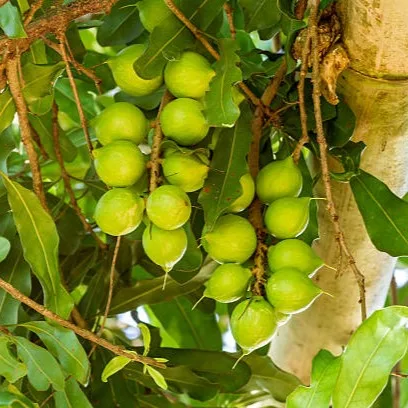
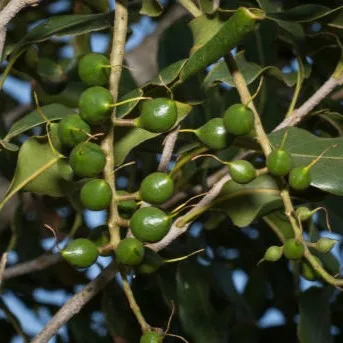
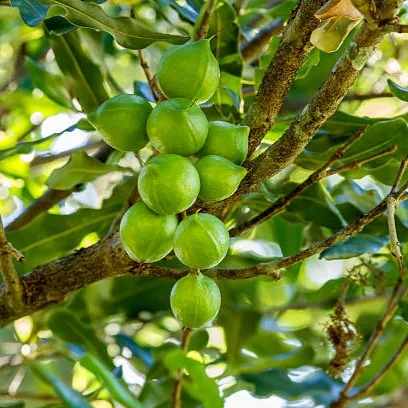
The tree develops a dense canopy of glossy green leaves and produces numerous small cream-white flowers arranged along long, hanging flower clusters. Following successful pollination, the flowers develop into round green husks containing a very hard brown shell, inside which is the edible Macadamia kernel.
Macadamia nuts are known for their smooth, buttery flavour and crisp texture and are widely used for fresh eating, roasting, baking, confectionery, desserts and premium nut products.
The tree performs best in a warm, frost-free or nearly frost-free climate, with full sunlight, good drainage and adequate moisture. Deep, fertile soil supports strong root development and long-term productivity.
Macadamia is naturally a medium to large tree and requires sufficient space when planted in the ground. Regular formative pruning helps develop a strong structure and maintains the canopy at a more manageable size.
For better nut production, growing more than one compatible Macadamia cultivar nearby can improve cross-pollination and fruit set.
Product Specifications
General
Appearance
Flowering
Growth
Growing Conditions
Climate
Macadamia Nut Plant Seasonal Care Guide
During spring, flowering and pollination become active. Provide consistent moisture, full sunlight and balanced nutrition. Avoid water stress during flowering because it can affect nut set.
During summer, young nuts develop and the tree produces vigorous new growth. Water deeply during hot, dry weather and maintain an organic mulch around the root zone. Avoid allowing mulch to touch the trunk directly.
During the monsoon season, reduce supplemental watering according to rainfall and ensure excellent drainage. Macadamia roots are sensitive to prolonged waterlogging, so excess rainwater must drain freely.
During autumn, nuts may continue developing and maturing depending on cultivar and climate. Maintain adequate moisture and potassium while avoiding excessive fertilizer.
During winter, growth slows somewhat in cooler regions. Reduce irrigation frequency while maintaining enough moisture to prevent drought stress. Protect young trees from cold winds and frost.
Product FAQs
What is a Macadamia Nut Plant?
Can Macadamia grow in India?
How much sunlight does a Macadamia Plant need?
Does a Macadamia tree need another tree for pollination?
Are Macadamia nuts safe for dogs?
Customer reviews
Product Image Gallery
Also in Outdoor Plants
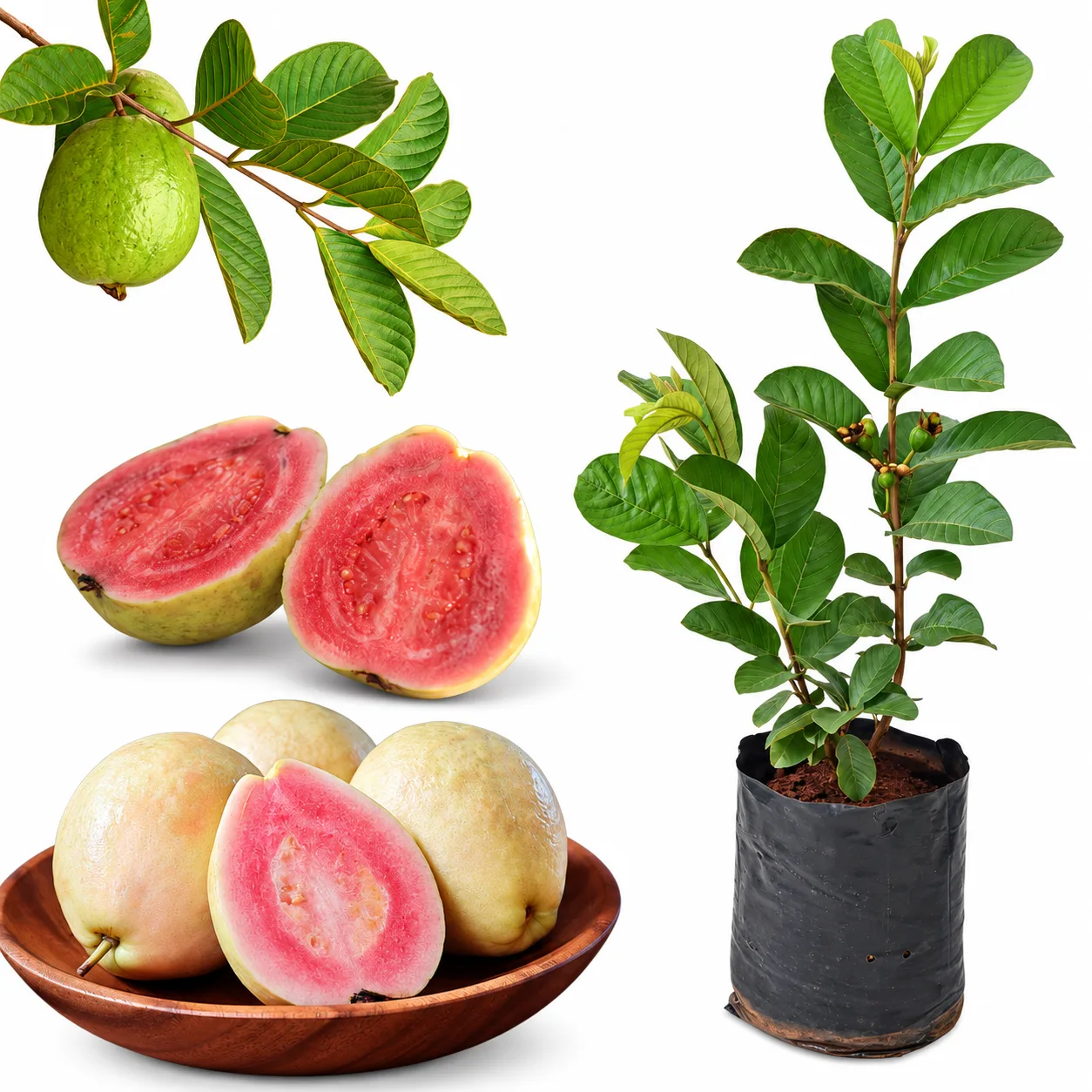
Red Diamond Guava Live Plant (Grafted) – Psidium guajava Red Flesh Fruit Plant for Home Garden & Orchard
Outdoor Plants
₹439.00
₹1199.00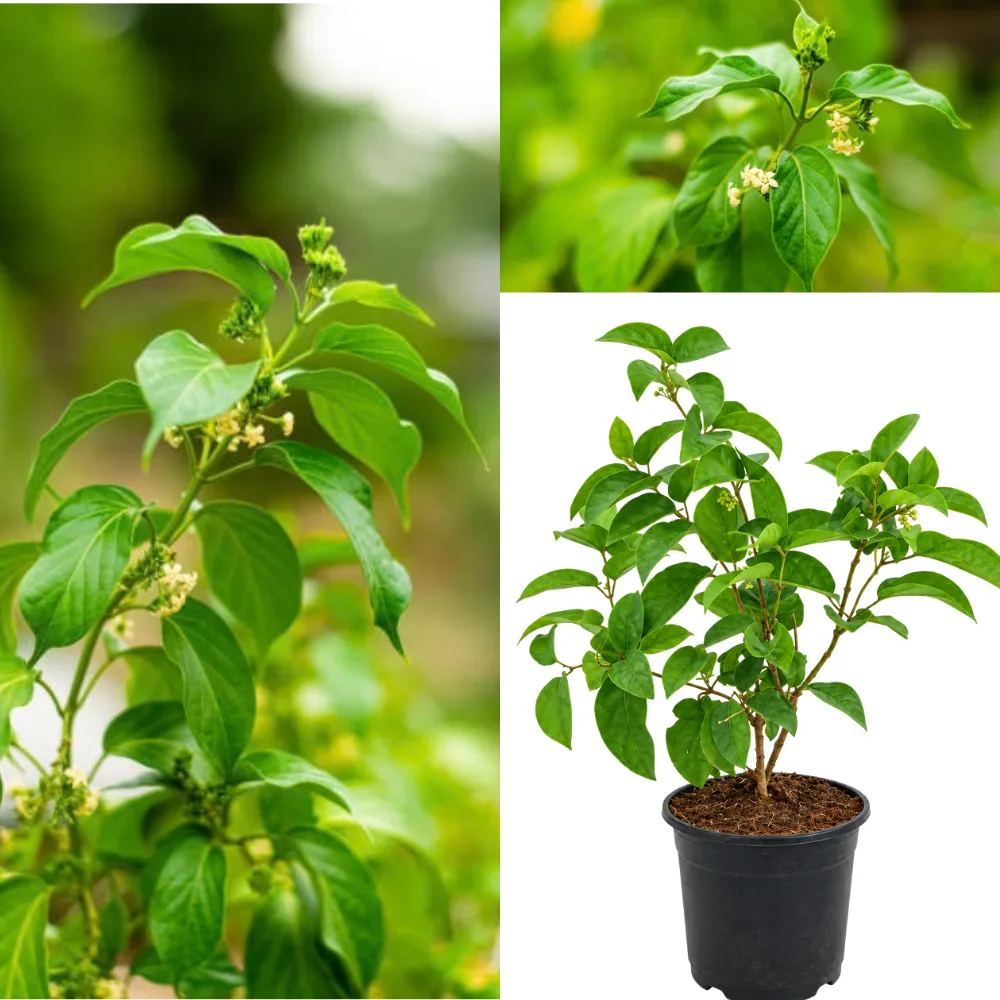
Gurmar Live Plant – Gymnema sylvestre Herbal Medicinal Climber for Home Garden & Indian Climate
Outdoor Plants
₹350.00
₹999.00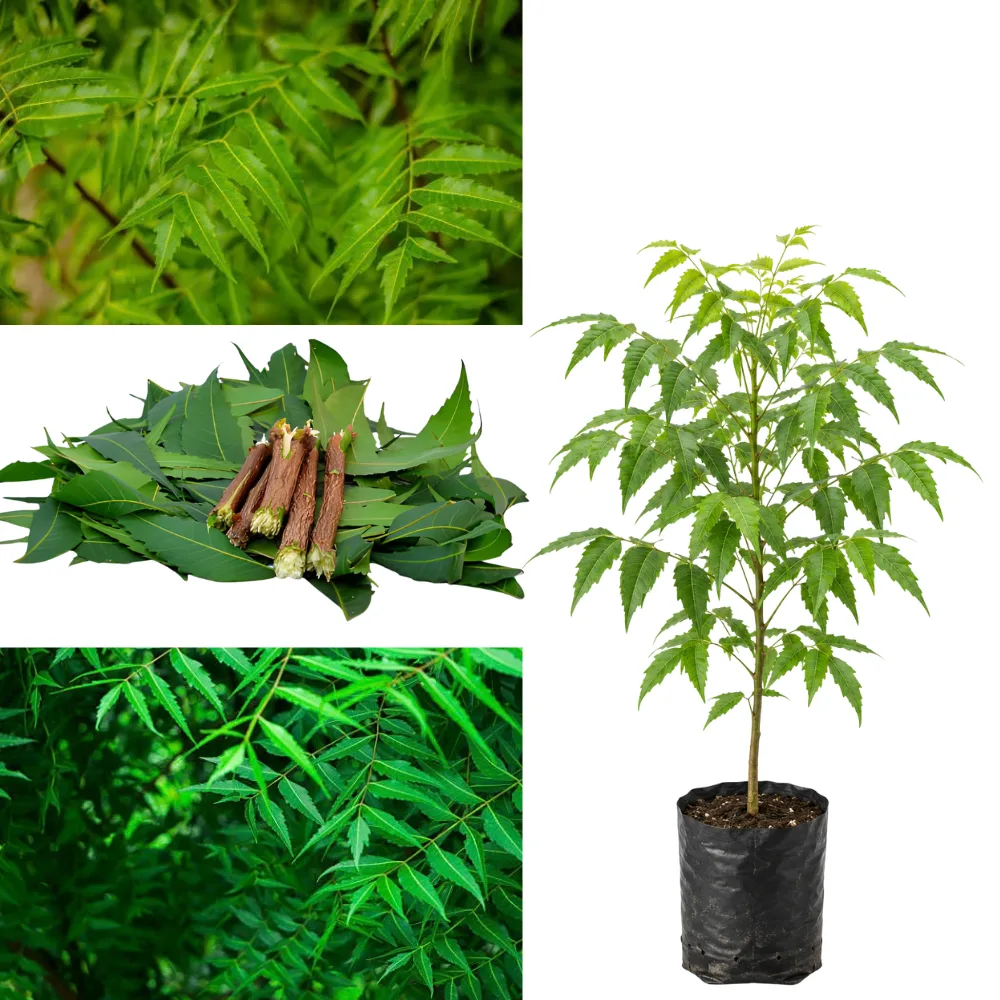
Neem Live Plant – Azadirachta indica Evergreen Shade Tree for Home Garden, Farm & Landscaping
Outdoor Plants
₹350.00
₹899.00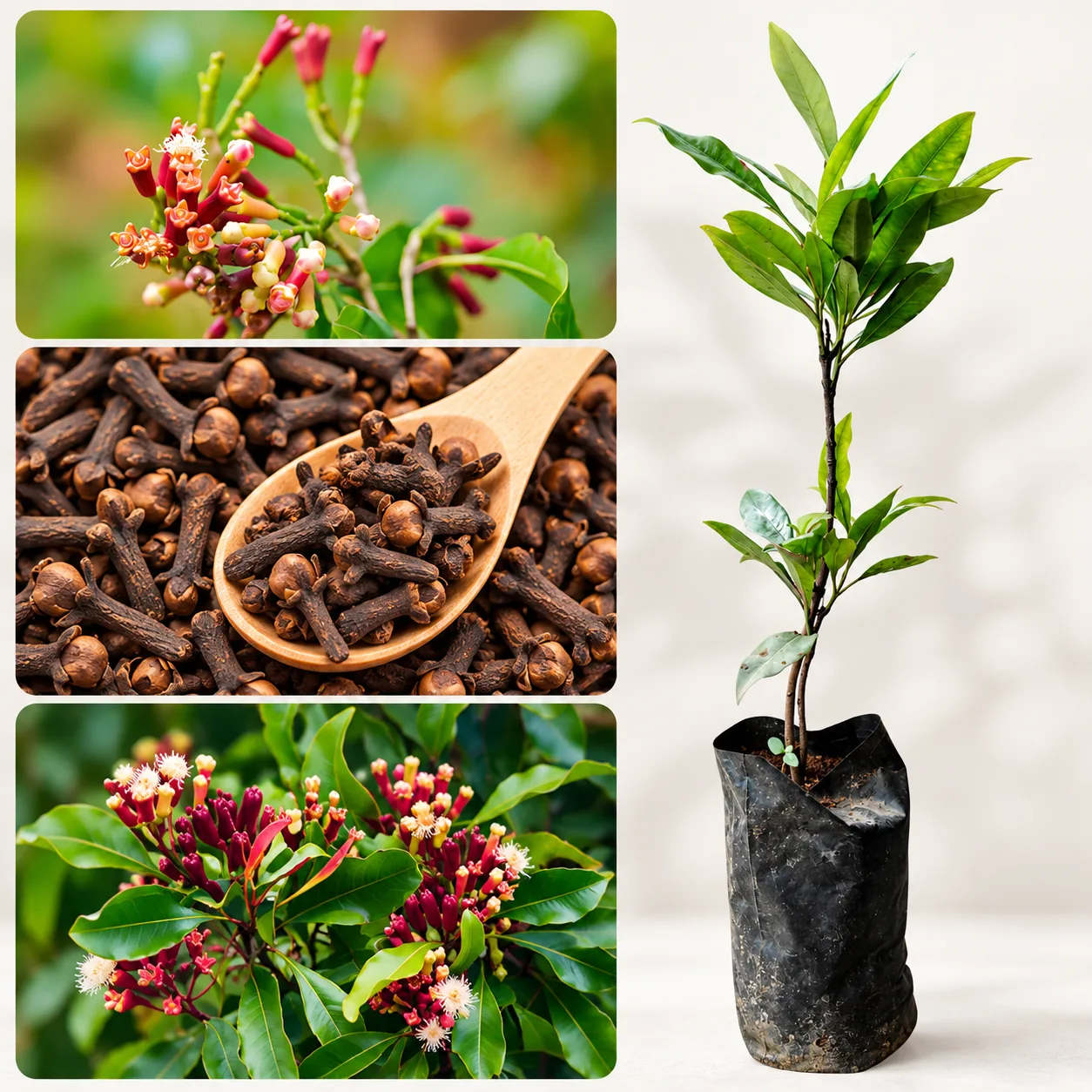
Clove Live Plant (Laung) – Syzygium aromaticum Aromatic Spice Tree for Home Garden & Tropical Climate
Outdoor Plants
₹470.00
₹1199.00
Coconut Plant – Live Cocos nucifera Tropical Fruit Palm for Home Garden, Farm & Plantation
Outdoor Plants
₹770.00
₹1999.00You Might Also Like
Red Diamond Guava Live Plant (Grafted) – Psidium guajava Red Flesh Fruit Plant for Home Garden & Orchard
Outdoor Plants
₹439.00
₹1199.00
Gurmar Live Plant – Gymnema sylvestre Herbal Medicinal Climber for Home Garden & Indian Climate
Outdoor Plants
₹350.00
₹999.00
Neem Live Plant – Azadirachta indica Evergreen Shade Tree for Home Garden, Farm & Landscaping
Outdoor Plants
₹350.00
₹899.00
Clove Live Plant (Laung) – Syzygium aromaticum Aromatic Spice Tree for Home Garden & Tropical Climate
Outdoor Plants
₹470.00
₹1199.00
Coconut Plant – Live Cocos nucifera Tropical Fruit Palm for Home Garden, Farm & Plantation
Outdoor Plants