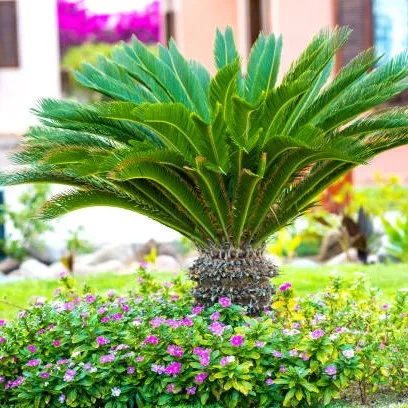
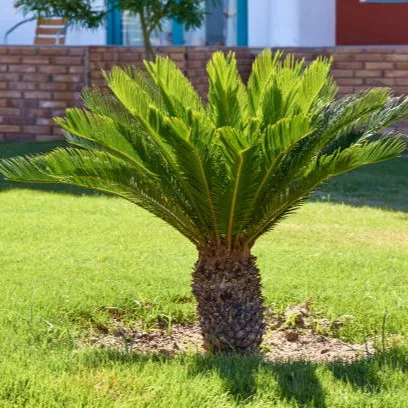
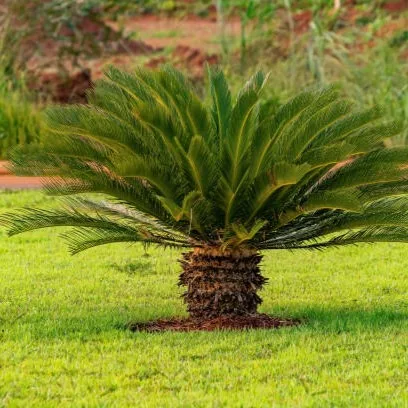
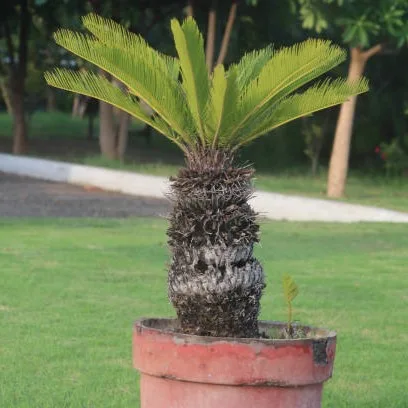
Cycas Live Plant – Cycas revoluta Sago Palm Ornamental Plant for Home, Garden, Balcony & Landscaping
₹720.00
₹2999.00 76% OFF
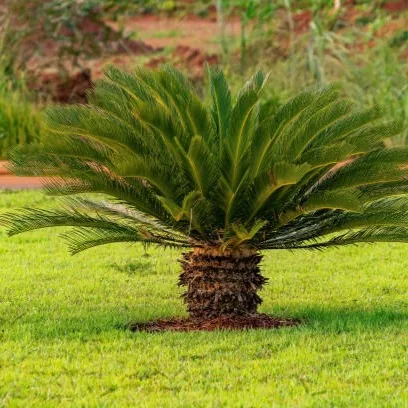
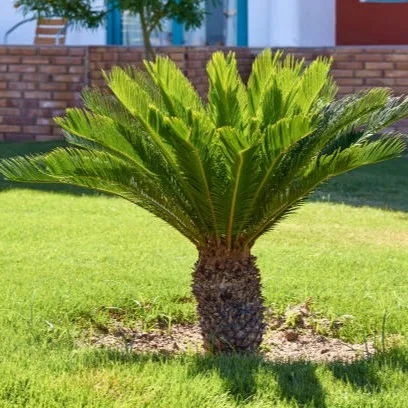
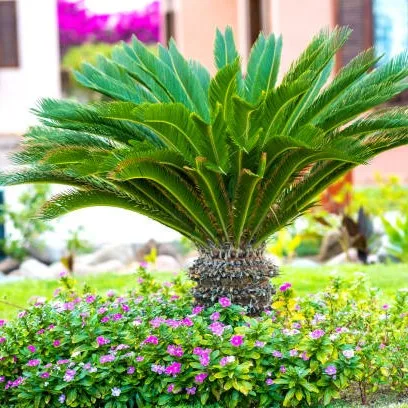
The Cycas Live Plant (Cycas revoluta) is a slow-growing evergreen ornamental plant prized for its symmetrical crown of glossy, dark green, feather-like leaves. Commonly called Sago Palm, this ancient-looking cycad is ideal for gardens, balconies, patios, entrances, landscapes and decorative containers. Its architectural form and low-maintenance nature make it an excellent statement plant for both modern and traditional spaces.
Plant Information
Care Instructions
In the Box
- 1 Unit of Cycas Live Plant in Grow Bag
Key Features
- Produces a striking rosette of stiff, glossy green fronds that creates a bold tropical appearance.
- Cycas is a slow-growing perennial that can live for many decades when properly maintained.
- Once established, Cycas requires relatively little routine maintenance compared with many fast-growing ornamental plants.
- Suitable for large containers, entrances, patios, balconies, lawns and landscape focal points.
- Maintains attractive green foliage throughout the year in warm climates, providing year-round decorative value.
More About This Plant
The Cycas Live Plant (Cycas revoluta), commonly known as Sago Palm or Japanese Sago Palm, is an evergreen cycad valued for its highly symmetrical form and distinctive tropical appearance.
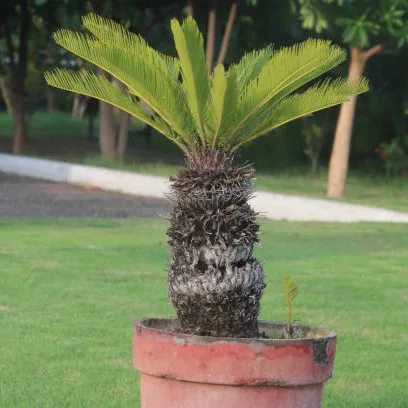
Despite its palm-like appearance and common name, Cycas is not a true palm. It belongs to an ancient group of seed plants known as cycads. The plant develops a stout trunk topped by a crown of stiff, pinnate dark-green leaves.
Cycas grows extremely slowly, making it particularly suitable for ornamental containers and landscape designs where a stable, architectural plant is desired. Mature plants may eventually reach several feet in height, but this can take many years.
The plant performs well in bright light or partial sun and prefers fertile but very well-draining soil. Once established, it tolerates short dry periods better than prolonged waterlogging.
Unlike flowering plants, Cycas does not produce conventional flowers. Mature male plants produce cone-like reproductive structures, while female plants develop modified reproductive leaves that may later carry seeds when successfully pollinated.
Cycas is particularly useful as a feature plant for entrances, gardens, patios, balconies, resorts, offices and landscaped commercial spaces.
One important safety consideration is that all parts of Cycas revoluta are highly toxic if ingested, especially the seeds. It should therefore be kept away from pets and small children.
Product Specifications
General
Appearance
Reproduction
Growth
Growing Conditions
Climate
Safety
Cycas Seasonal Care Guide
During summer, provide bright light with protection from extremely harsh afternoon sunlight. Water when the upper soil dries, but ensure excellent drainage. Container-grown plants may require slightly more frequent watering during prolonged heat.
During the monsoon season, reduce watering significantly according to rainfall and humidity. Ensure that water does not collect around the crown or roots, as prolonged wet conditions can cause rot. Keep outdoor containers protected from continuous heavy rain if necessary.
During autumn, growth begins to slow. Reduce fertilizer and remove only completely damaged or yellow leaves.
During winter, water sparingly because the soil dries more slowly. Keep container plants in a bright, protected position and avoid frost or prolonged cold conditions. Do not heavily fertilize during the winter resting period.
Product FAQs
Is Cycas a palm tree?
Can Cycas be grown in a pot?
How much sunlight does a Cycas Plant need?
How fast does Cycas grow?
Is Cycas safe for pets?
Customer reviews
Product Image Gallery
Also in Outdoor Plants
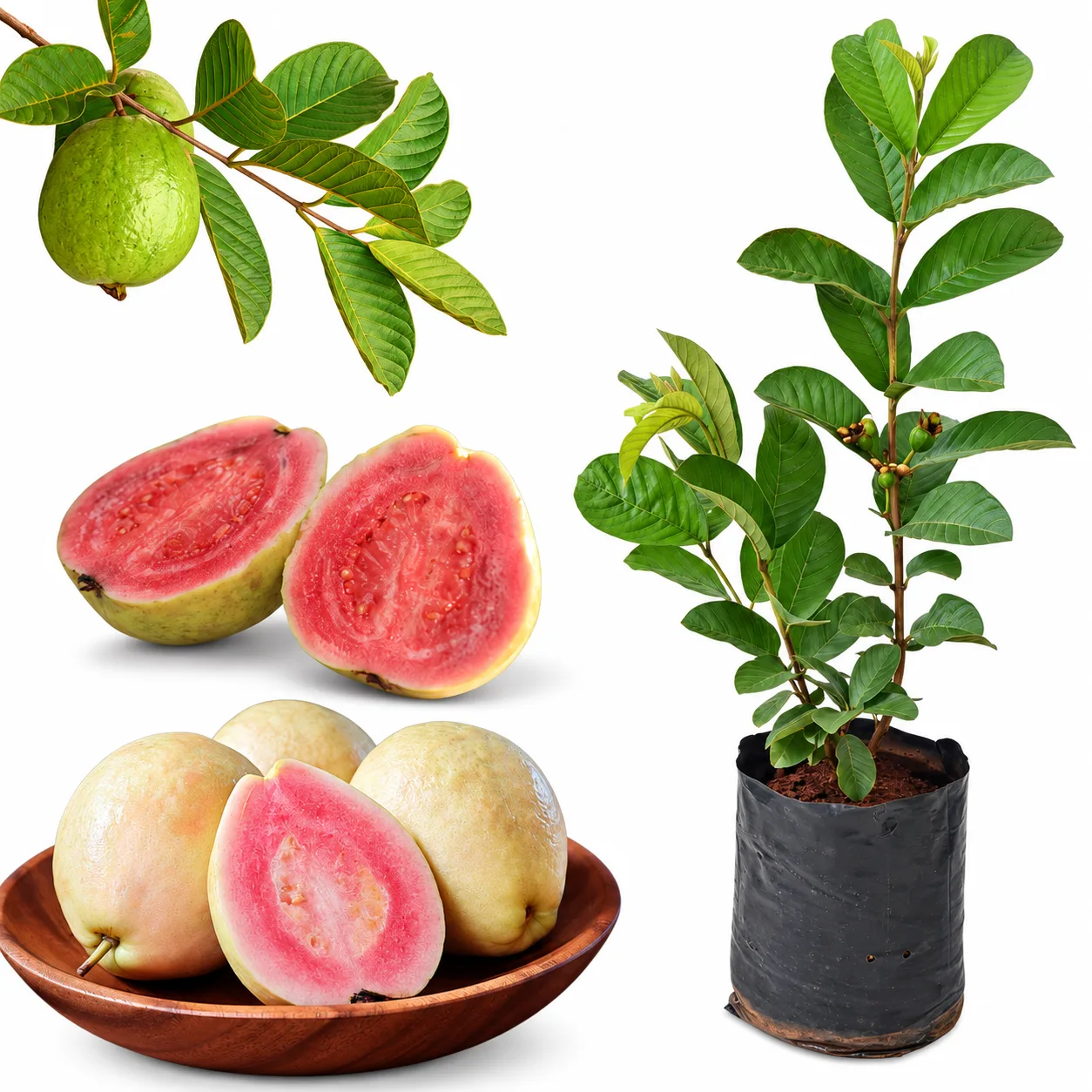
Red Diamond Guava Live Plant (Grafted) – Psidium guajava Red Flesh Fruit Plant for Home Garden & Orchard
Outdoor Plants
₹439.00
₹1199.00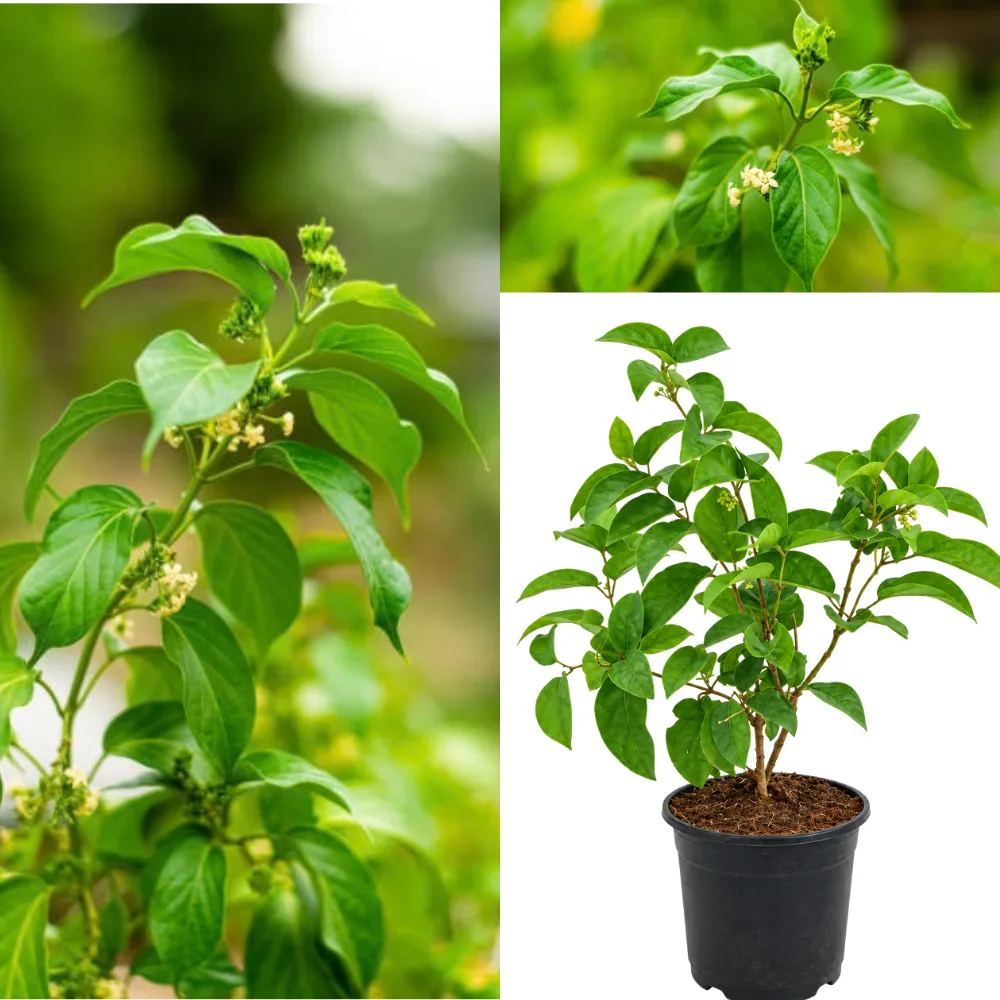
Gurmar Live Plant – Gymnema sylvestre Herbal Medicinal Climber for Home Garden & Indian Climate
Outdoor Plants
₹350.00
₹999.00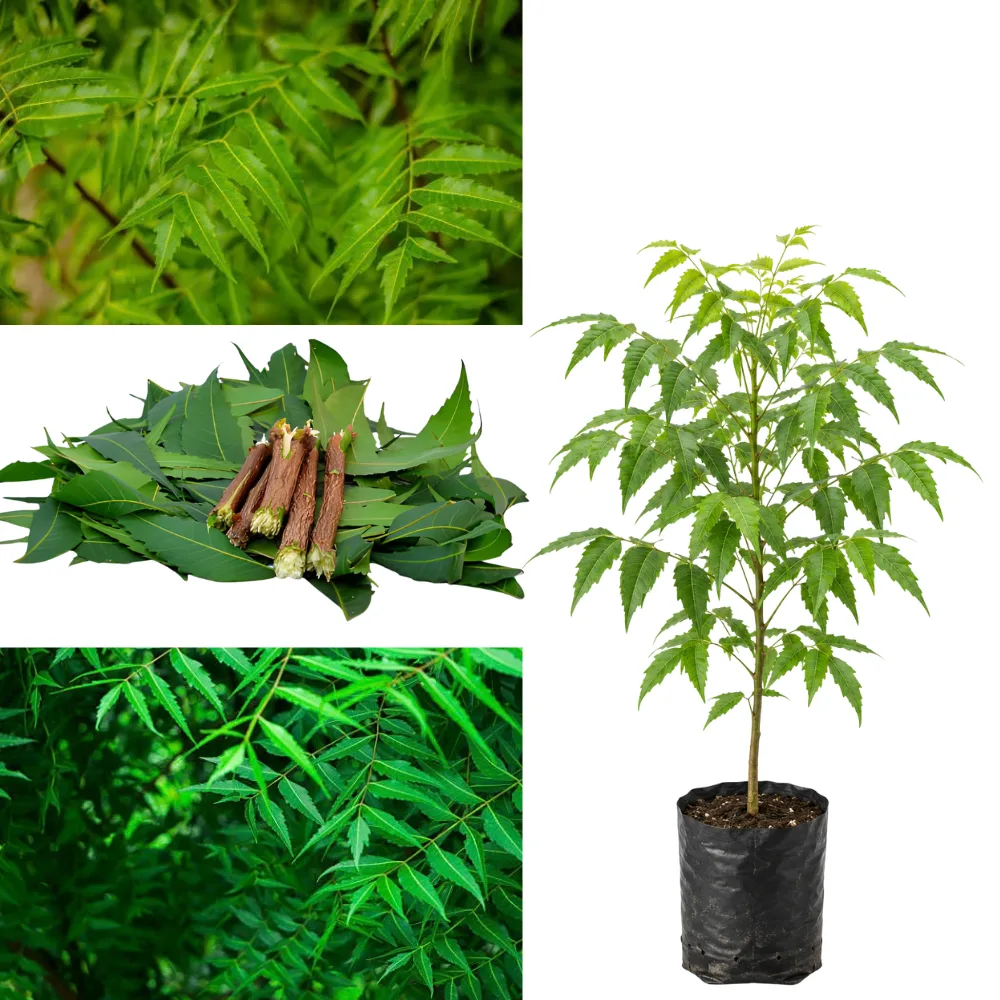
Neem Live Plant – Azadirachta indica Evergreen Shade Tree for Home Garden, Farm & Landscaping
Outdoor Plants
₹350.00
₹899.00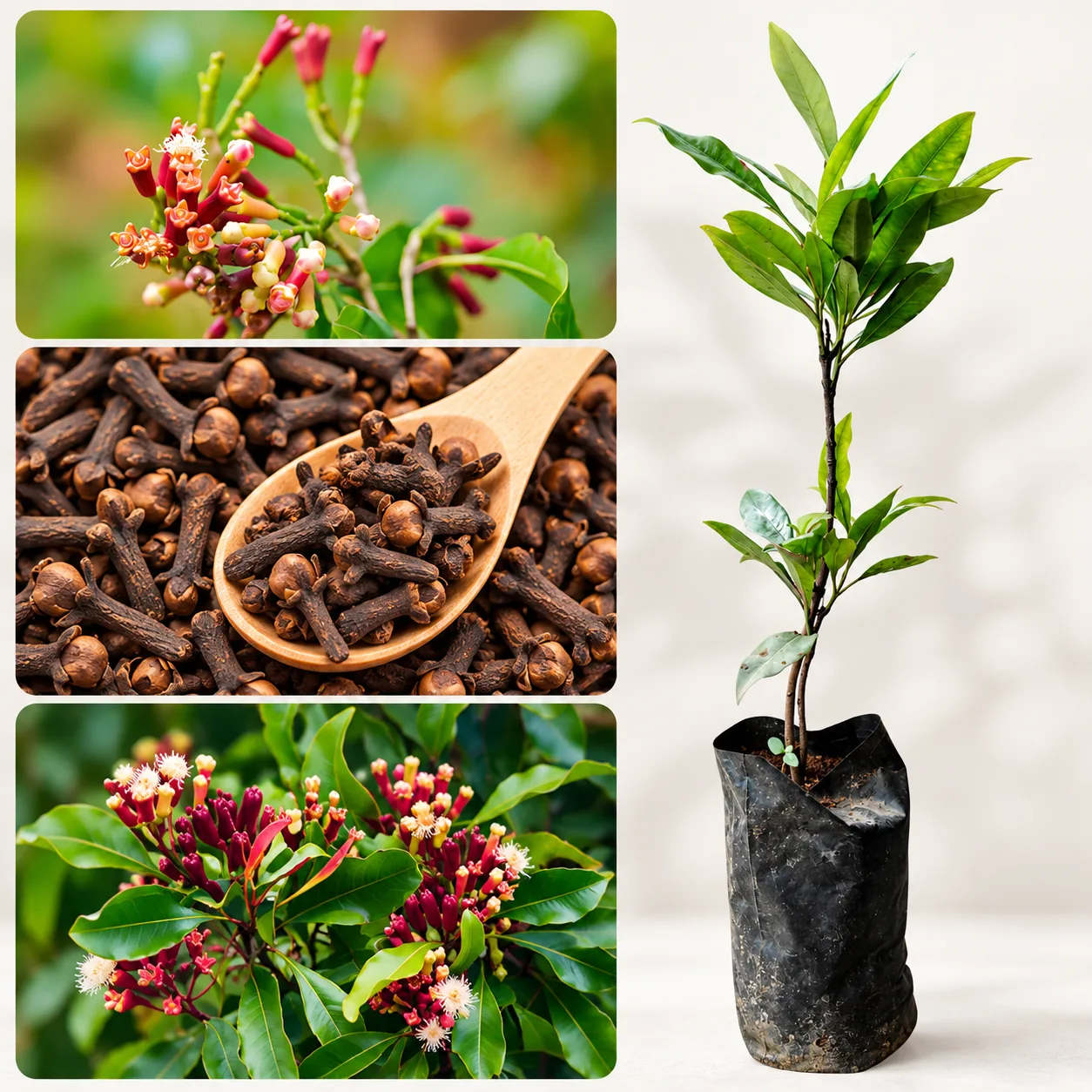
Clove Live Plant (Laung) – Syzygium aromaticum Aromatic Spice Tree for Home Garden & Tropical Climate
Outdoor Plants
₹470.00
₹1199.00
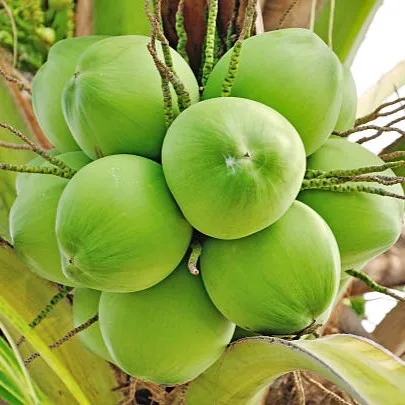
Coconut Plant – Live Cocos nucifera Tropical Fruit Palm for Home Garden, Farm & Plantation
Outdoor Plants
₹770.00
₹1999.00You Might Also Like
Red Diamond Guava Live Plant (Grafted) – Psidium guajava Red Flesh Fruit Plant for Home Garden & Orchard
Outdoor Plants
₹439.00
₹1199.00
Gurmar Live Plant – Gymnema sylvestre Herbal Medicinal Climber for Home Garden & Indian Climate
Outdoor Plants
₹350.00
₹999.00
Neem Live Plant – Azadirachta indica Evergreen Shade Tree for Home Garden, Farm & Landscaping
Outdoor Plants
₹350.00
₹899.00
Clove Live Plant (Laung) – Syzygium aromaticum Aromatic Spice Tree for Home Garden & Tropical Climate
Outdoor Plants
₹470.00
₹1199.00
Coconut Plant – Live Cocos nucifera Tropical Fruit Palm for Home Garden, Farm & Plantation
Outdoor Plants