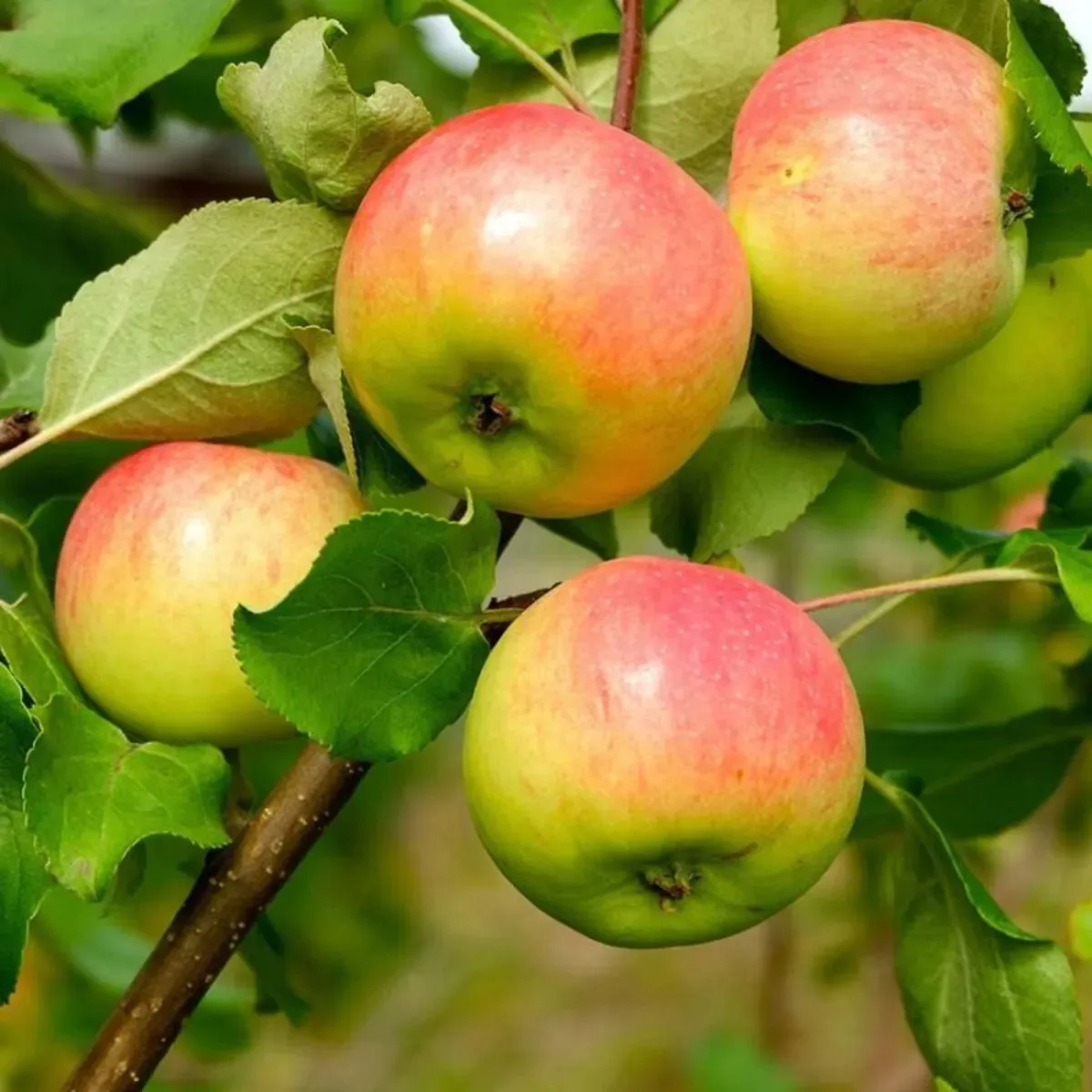
Anna Apple Plant – Low Chill Live Apple Fruit Plant for Warm Climate, Indian Plains & Home Garden
₹265.00
₹999.00 73% OFF
The Anna Apple Plant is a popular low-chill apple variety well suited to warm-winter and subtropical regions. Known for its crisp, juicy fruits with greenish-yellow skin and an attractive red blush, Anna is an excellent choice for home gardens and orchards in areas where traditional high-chill apple varieties may struggle. For best fruit set, grow it alongside a compatible pollinator such as Dorsett Golden.
Plant Information
Care Instructions
In the Box
- 1 Unit of Anna Apple Plant
Key Features
- Anna requires only about 250–300 chilling hours, making it much better suited to warmer climates than traditional high-chill apples. ICAR lists Anna at approximately 300 chilling hours for subtropical cultivation.
- Anna has been studied successfully under semi-arid conditions in Hisar, Haryana, confirming its relevance for non-traditional apple-growing environments in India.
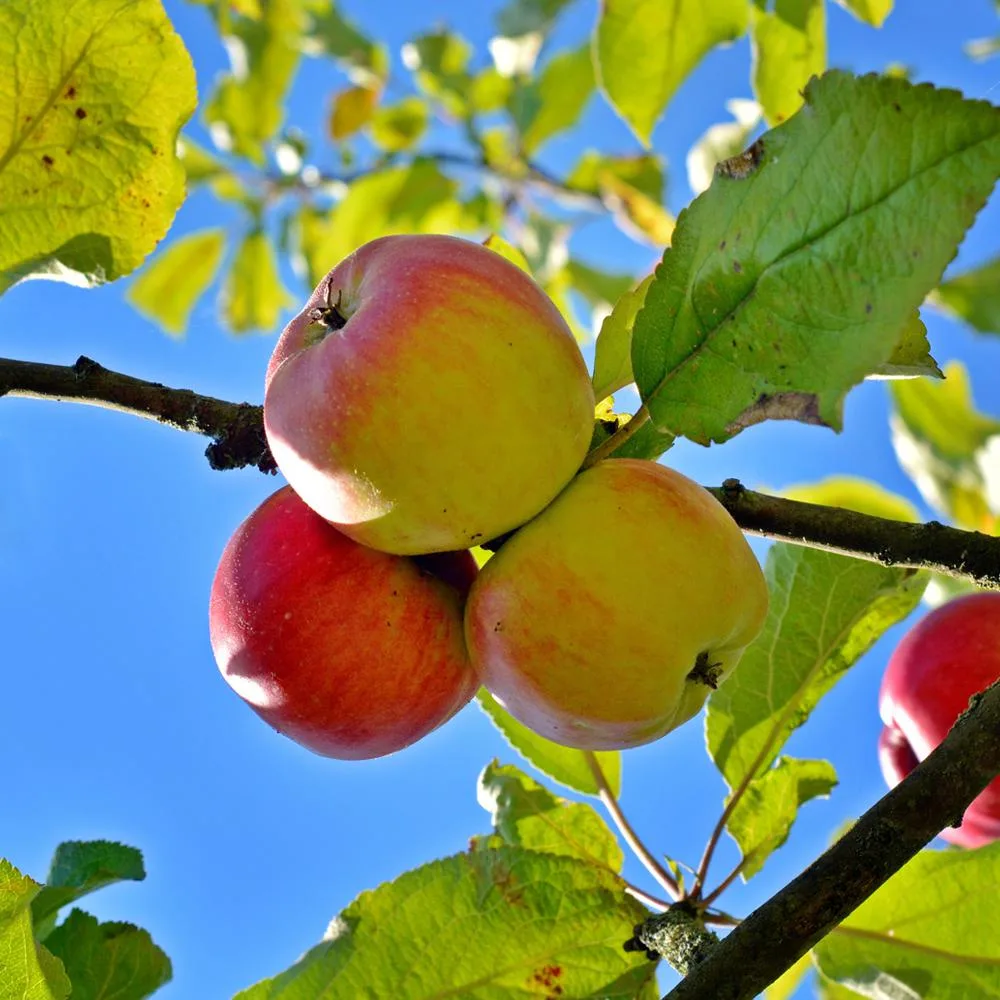
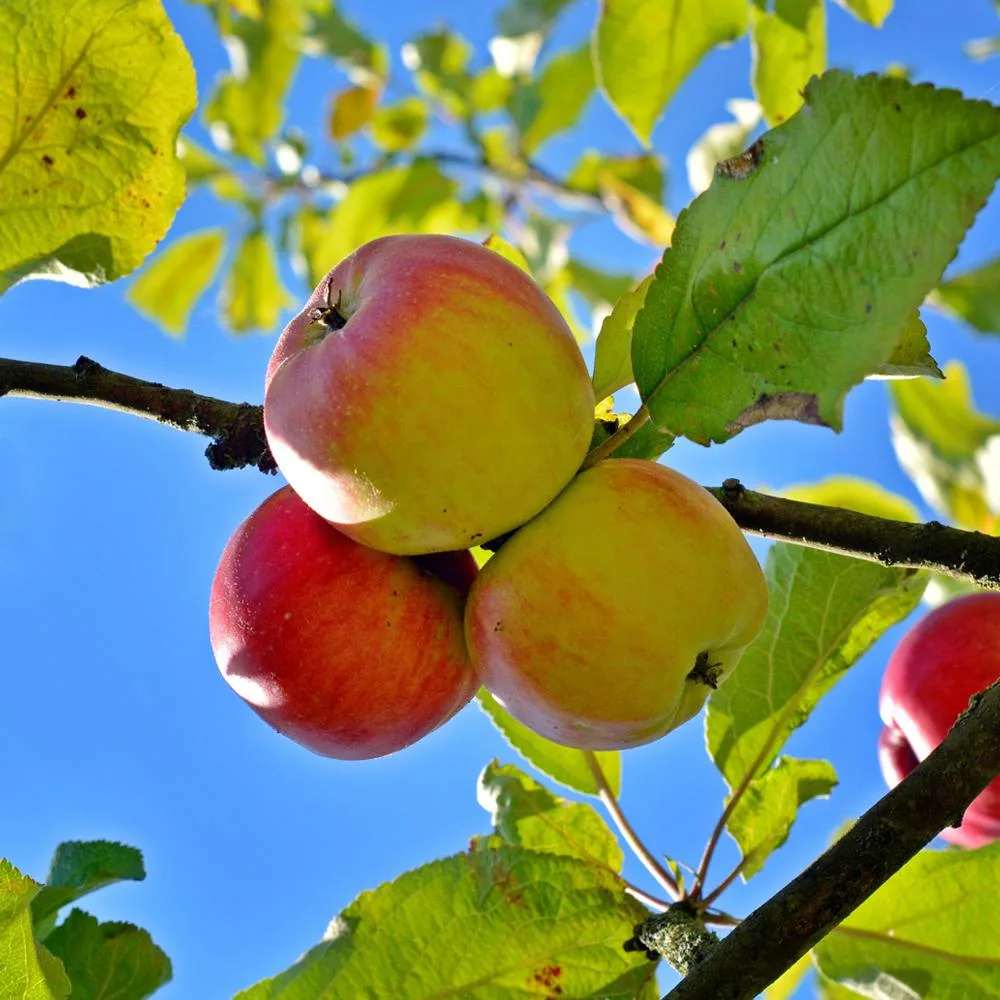
- Produces medium to large apples with a greenish-yellow background and red blush, along with crisp, juicy, mildly sweet-tart flesh.
- Anna flowers and ripens relatively early compared with many conventional apple cultivars. In comparable low-chill climates, harvest may occur from late May through June or July depending on location.
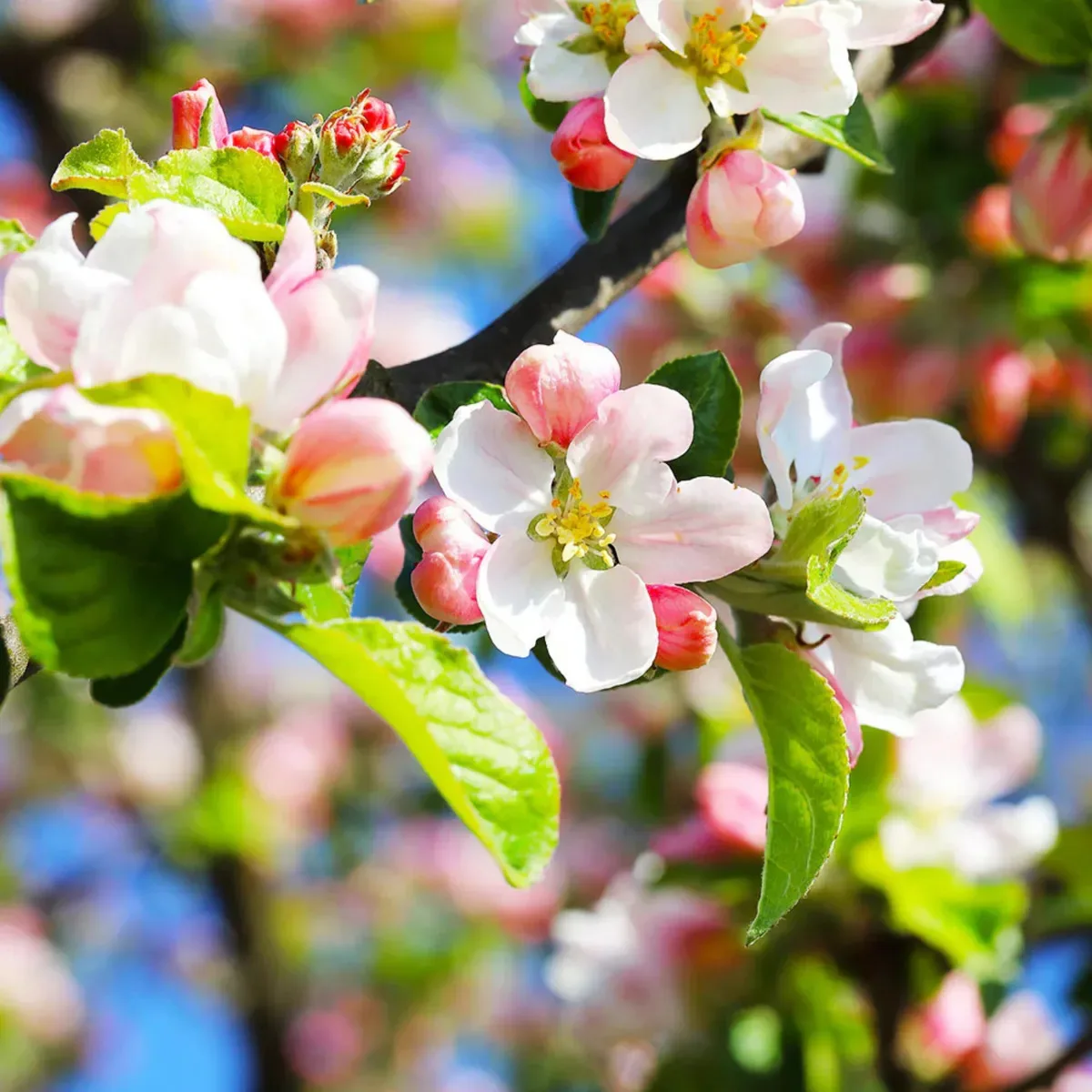
- Anna and Dorsett Golden have overlapping flowering periods and are commonly planted together for better cross-pollination and fruit set.
More About This Plant
The Anna Apple Plant (Malus domestica ‘Anna’) is a highly regarded low-chill apple cultivar developed for regions with mild winters. Unlike many traditional apples that require long periods of cold weather to break dormancy and flower properly, Anna needs only around 250–300 chilling hours, making it suitable for many subtropical and warm-winter growing areas. ICAR specifically lists Anna among low-chilling cultivars recommended for subtropical conditions.
The plant produces attractive fruits with greenish-yellow skin covered partly by a red blush. The flesh is crisp, juicy and pleasantly sweet with mild acidity, making the fruit suitable for fresh eating as well as cooking.
Anna is an early-flowering and early-ripening variety. In suitable climates, the crop may mature around late spring to early summer. The exact flowering and harvest period varies with local winter temperatures, accumulated chill, plant age and cultivation conditions.
For reliable fruit production, cross-pollination is strongly recommended. Anna flowers at a similar time to Dorsett Golden, making the two cultivars a classic planting combination. University of Florida specifically recommends planting Anna and Dorsett Golden together for good fruit set.
Anna performs best in full sunlight, fertile well-draining soil and locations with good airflow. Regular pruning, irrigation during dry weather and appropriate nutrition will help maintain healthy growth and productive fruiting.
Because fruiting depends on plant maturity, rootstock, climate, pollination, nutrition and local chilling conditions, fruit production cannot be guaranteed immediately after planting.
Product Specifications
General
Climate
Growth
Growing Conditions
Fruit
Anna Apple Seasonal Care Guide
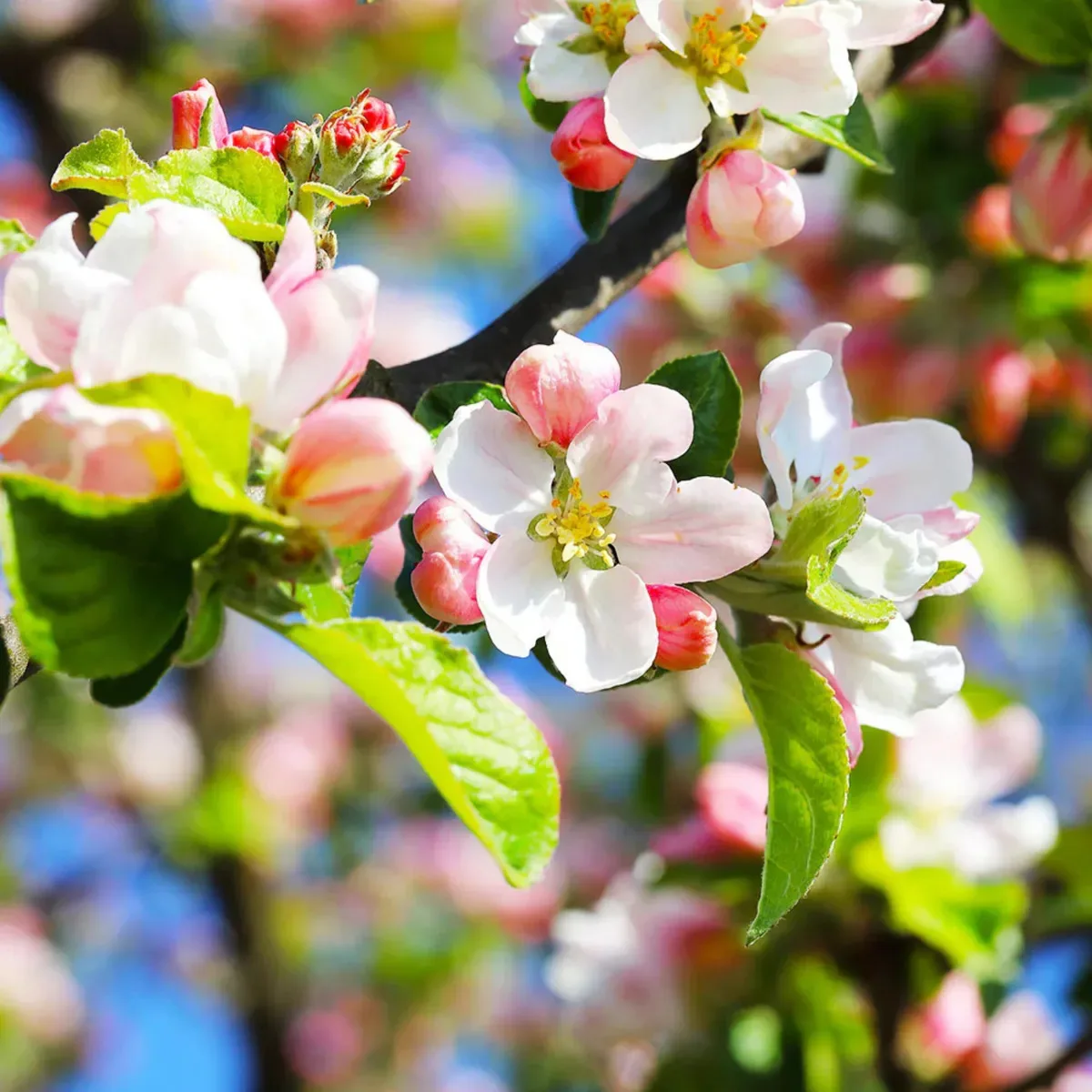
During late winter and early spring, flower buds begin opening as sufficient chilling and warming accumulate. Maintain consistent moisture but avoid waterlogging. If possible, grow a compatible pollinator such as Dorsett Golden nearby to improve fruit set. Anna and Dorsett Golden have overlapping bloom periods.
During spring, once fruits have set, maintain regular irrigation and provide balanced nutrition. Avoid severe pruning after flowering. If the tree sets an excessive number of young fruits, selective thinning can improve fruit size and reduce branch stress.
During summer, fruit develops and may reach harvest maturity relatively early. In comparable low-chill regions, Anna commonly matures around late May through June/July, depending on climate. Water deeply during hot dry weather and maintain organic mulch around the root zone without allowing mulch to touch the trunk.
During the monsoon season, reduce irrigation according to rainfall. Ensure excellent drainage and monitor for fungal problems caused by prolonged humidity.
During autumn, reduce heavy nitrogen feeding and allow the tree to prepare naturally for dormancy. Remove fallen diseased leaves and maintain orchard sanitation.
Product FAQs
Can Anna Apple grow in warm areas of India?
How many chilling hours does Anna Apple require?
When does Anna Apple produce fruit?
What does Anna Apple fruit taste like?
Does Anna Apple need another apple tree for pollination?
Product Image Gallery
Also in Fruit Plants
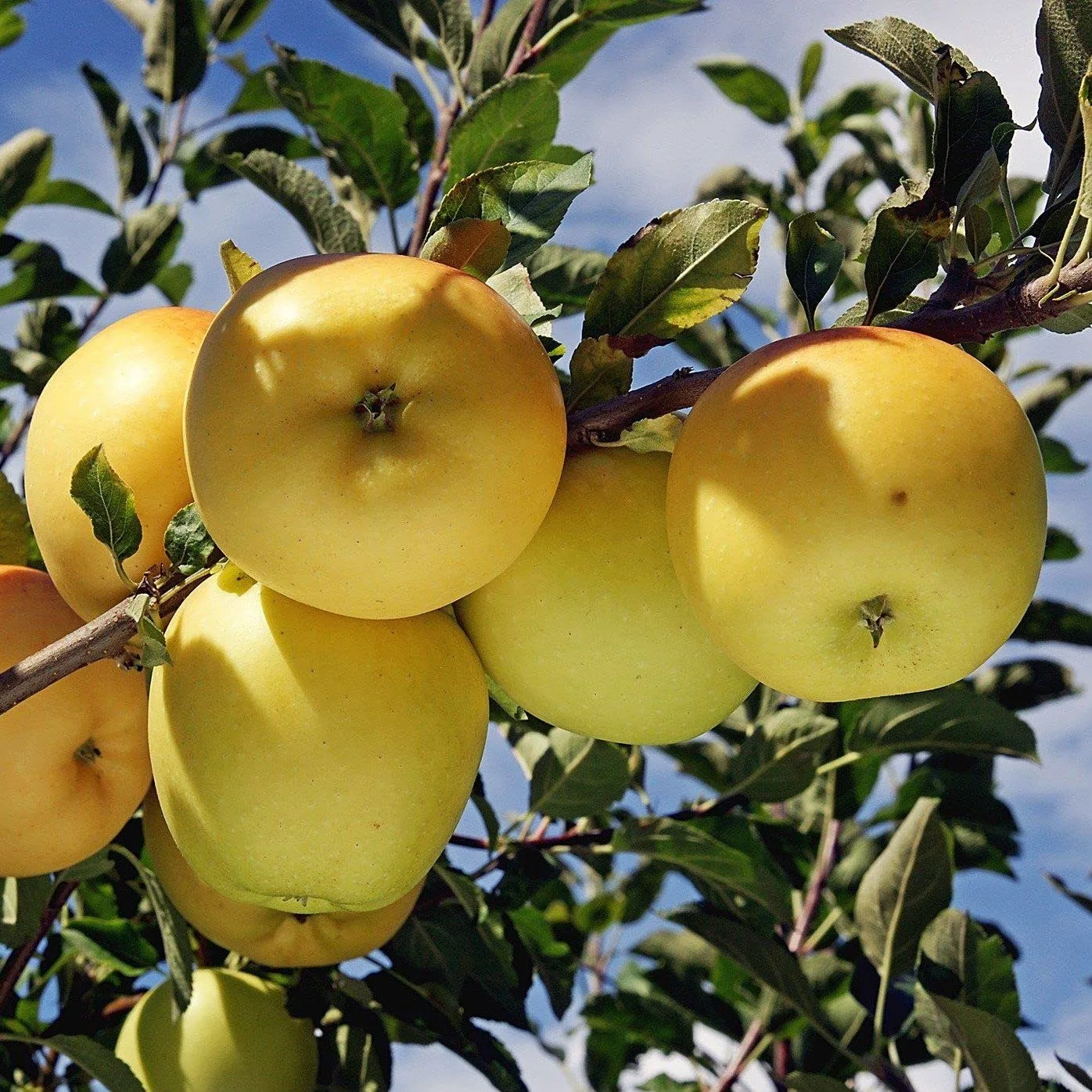
Dorsett Golden Apple Plant – Low Chill Live Apple Fruit Plant for Warm Climate, Indian Plains & Home Garden
Fruit Plants
₹265.00
₹999.00
HRMN-99 Apple Live Plant – Hariman Low Chill Self-Pollinating Apple Fruit Plant for Tropical & Subtropical India
Fruit Plants
₹270.00
₹999.00You Might Also Like
Dorsett Golden Apple Plant – Low Chill Live Apple Fruit Plant for Warm Climate, Indian Plains & Home Garden
Fruit Plants
₹265.00
₹999.00
HRMN-99 Apple Live Plant – Hariman Low Chill Self-Pollinating Apple Fruit Plant for Tropical & Subtropical India
Fruit Plants
₹270.00
₹999.00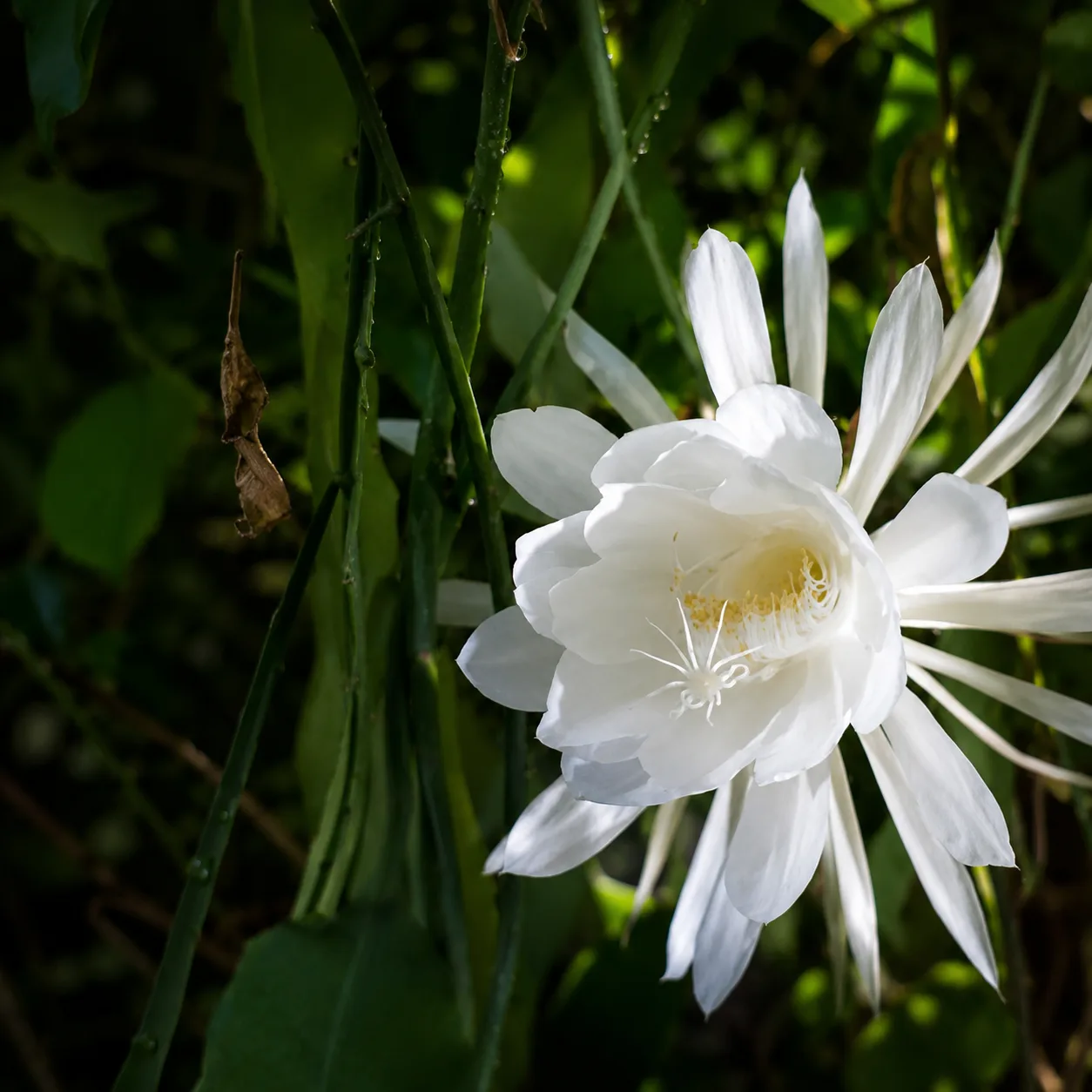
Night Queen / Brahma Kamal Live Plant – Epiphyllum oxypetalum Rare Fragrant Night Blooming Cactus for Home & Garden
Flowering Plants