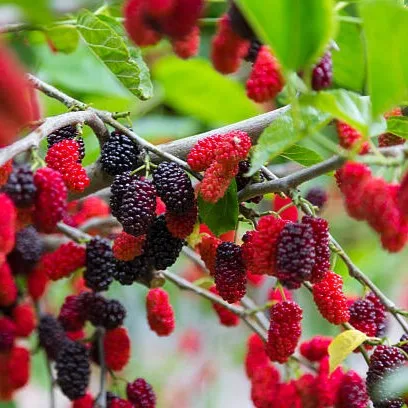
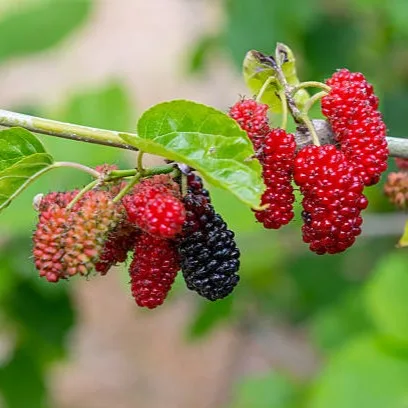
Mulberry Live Plant – Morus alba Sweet Fruiting Shahtoot Plant for Home Garden & Terrace
₹232.00
₹799.00 71% OFF
The Mulberry Live Plant (Morus alba), popularly known as Shahtoot, is a fast-growing fruit tree valued for its sweet, juicy berries and attractive green foliage. Suitable for home gardens, orchards and large containers when regularly pruned, Mulberry performs best in a sunny location with fertile, well-draining soil. The ripe fruits can be enjoyed fresh or used for juices, jams, desserts and preserves.
Plant Information
Care Instructions
In the Box
- 1 Unit of Mulberry Live Plant
Key Features
- Produces juicy, blackberry-like mulberry fruits that can be eaten fresh or used in jams, juices, syrups, desserts and preserves. NC State describes the fruits of Morus alba as sweet and edible.
- Mulberry is naturally fast-growing and can establish relatively quickly under suitable conditions.
- Performs best in full sunlight and can be trained through pruning for manageable home-garden cultivation.
- Morus alba tolerates loamy, sandy and clay soils provided drainage is adequate. It is also tolerant of a broad soil-pH range.
- Once established, Mulberry develops into a long-lived woody fruit plant capable of producing crops seasonally for many years with appropriate pruning and care.
More About This Plant
The Mulberry Plant (Morus alba), commonly called Shahtoot in India, is a fast-growing deciduous fruit tree belonging to the Moraceae family. It is widely cultivated for its sweet edible fruits as well as its attractive foliage.
The plant develops a spreading canopy with green, serrated leaves. Mature trees can become quite large if left unpruned, although regular training and pruning make Mulberry suitable for home gardens and smaller orchard systems. Morus alba can naturally reach around 30–50 feet, but fruiting specimens are often maintained substantially shorter for convenient harvesting.
Mulberry produces small greenish flowers followed by elongated, clustered fruits resembling blackberries. Depending on the variety and ripeness, fruits may mature to white, pink, red, dark purple or almost black. NC State records white mulberry fruits in white, pink and purple shades.
The ripe berries are soft, juicy and sweet and can be consumed fresh or used for juices, jams, syrups, desserts and other preparations.
Mulberry grows best in a sunny location with fertile, well-draining soil. Once established, it is relatively tolerant of heat and temporary dry conditions. Missouri Botanical Garden notes that Morus alba can tolerate heat, drought and a fairly wide range of soil conditions.
For fruit-focused cultivation, regular pruning helps maintain an accessible canopy, encourages manageable new growth and makes harvesting easier.
Because “Mulberry” includes several species and cultivars, fruit colour, fruit size, sweetness, bearing season and mature plant size may vary according to the actual variety supplied.
Also in Fruit Plants
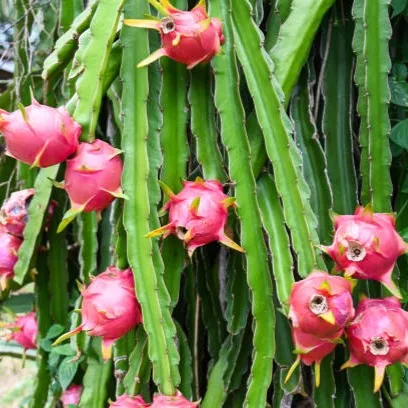
Dragon Fruit Live Plant – Pitaya / Kamalam Fruit Cactus Plant for Home Garden & Commercial Cultivation
Fruit Plants
₹225.00
₹799.00
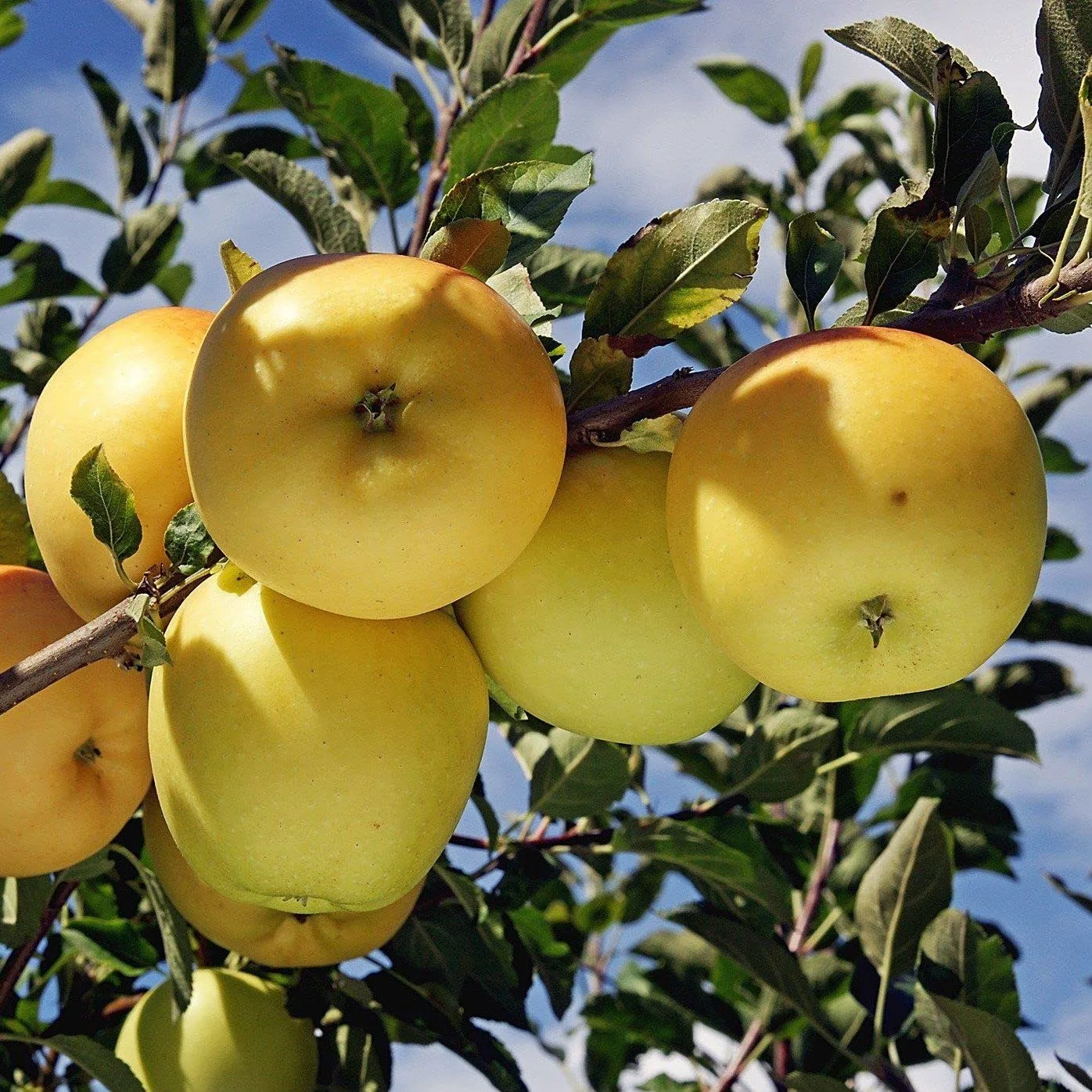
Dorsett Golden Apple Plant – Low Chill Live Apple Fruit Plant for Warm Climate, Indian Plains & Home Garden
Fruit Plants
₹265.00
₹999.00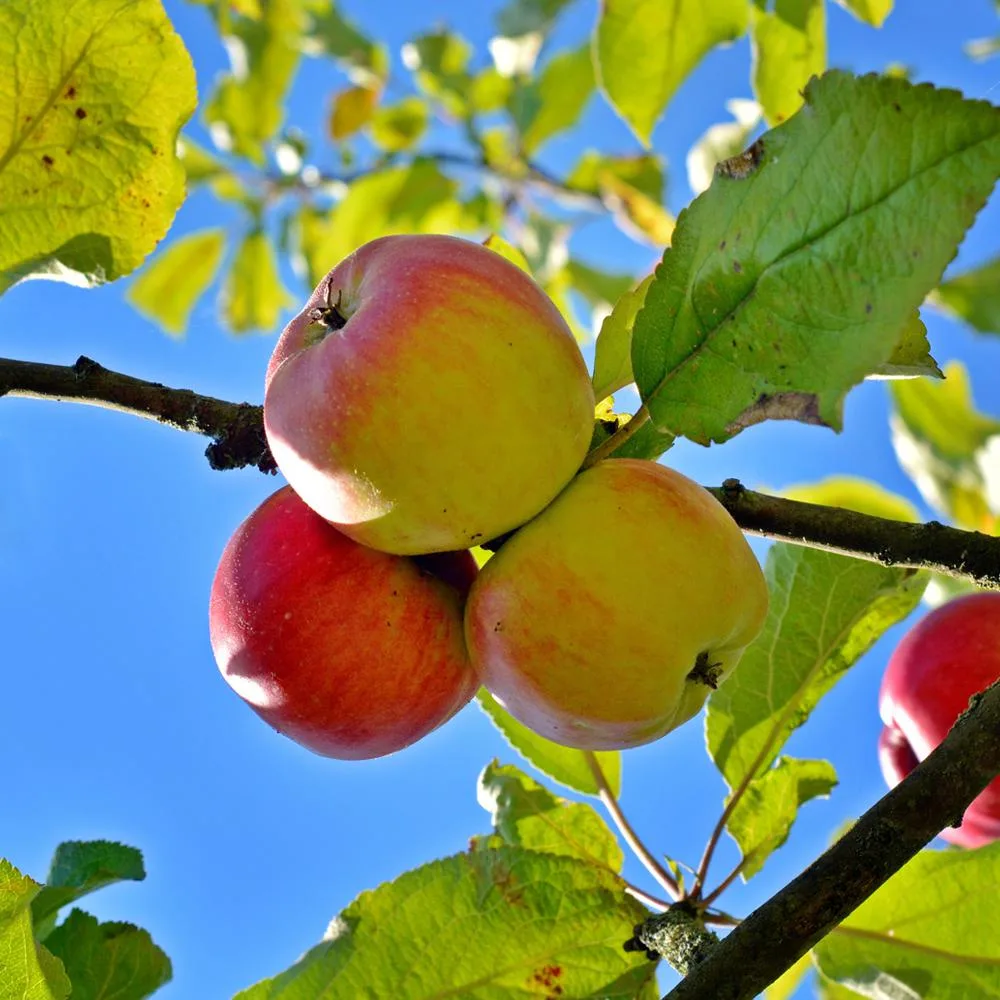
Anna Apple Plant – Low Chill Live Apple Fruit Plant for Warm Climate, Indian Plains & Home Garden
Fruit Plants
₹265.00
₹999.00
HRMN-99 Apple Live Plant – Hariman Low Chill Self-Pollinating Apple Fruit Plant for Tropical & Subtropical India
Fruit Plants
₹270.00
₹999.00You Might Also Like
Dragon Fruit Live Plant – Pitaya / Kamalam Fruit Cactus Plant for Home Garden & Commercial Cultivation
Fruit Plants
₹225.00
₹799.00
Dorsett Golden Apple Plant – Low Chill Live Apple Fruit Plant for Warm Climate, Indian Plains & Home Garden
Fruit Plants
₹265.00
₹999.00
Anna Apple Plant – Low Chill Live Apple Fruit Plant for Warm Climate, Indian Plains & Home Garden
Fruit Plants
₹265.00
₹999.00
HRMN-99 Apple Live Plant – Hariman Low Chill Self-Pollinating Apple Fruit Plant for Tropical & Subtropical India
Fruit Plants
₹270.00
₹999.00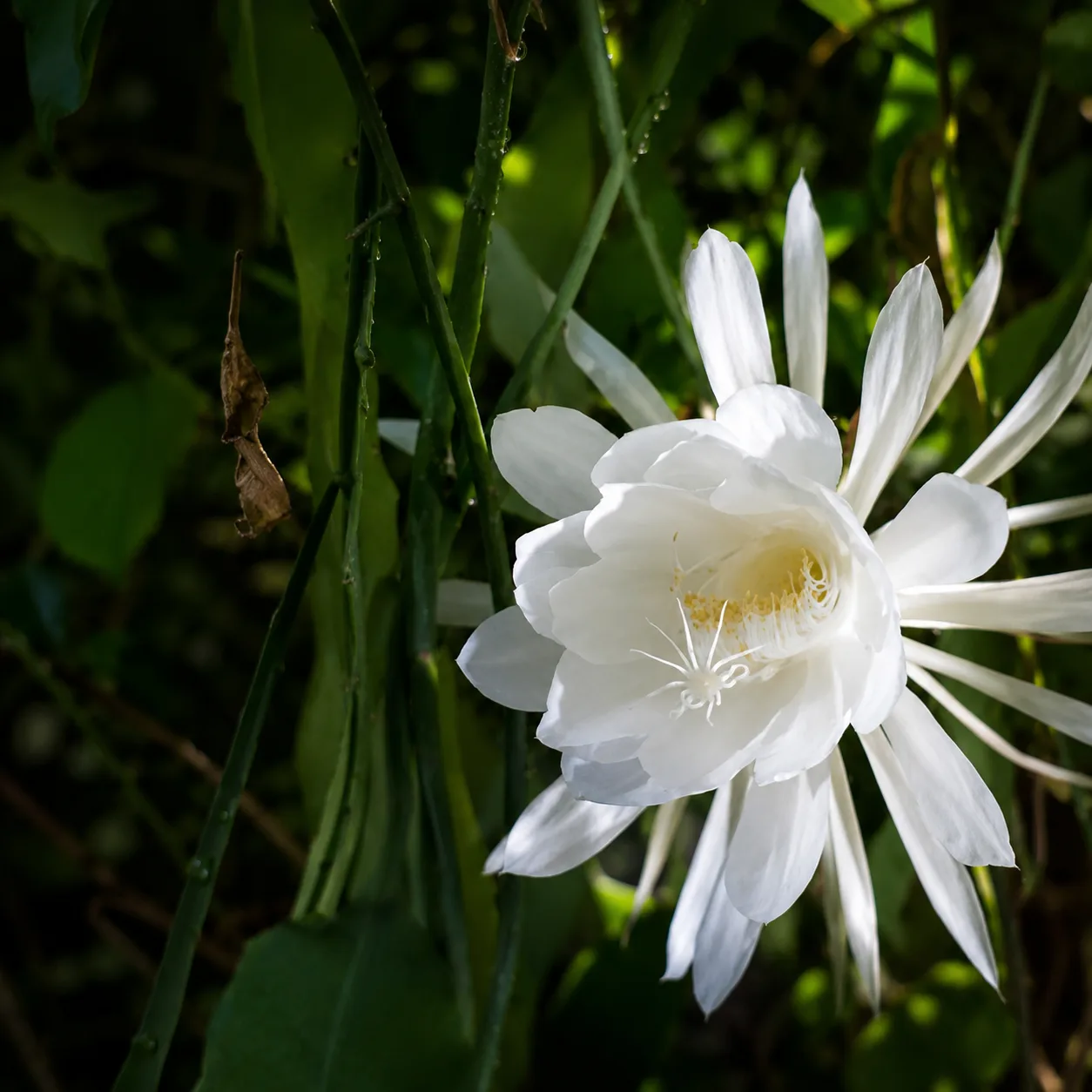
Night Queen / Brahma Kamal Live Plant – Epiphyllum oxypetalum Rare Fragrant Night Blooming Cactus for Home & Garden
Flowering Plants