Bombai Litchi Plant - Live Litchi chinensis Fruit Plant for Home Garden, Orchard & Indian Climate
₹450.00
₹1199.00 62% OFF
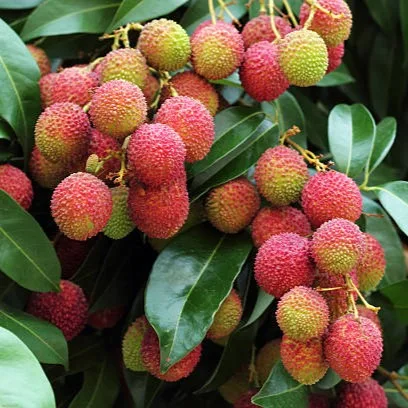
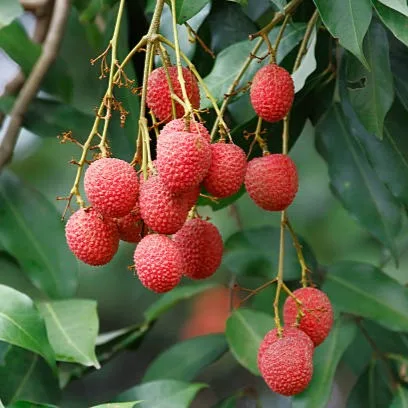
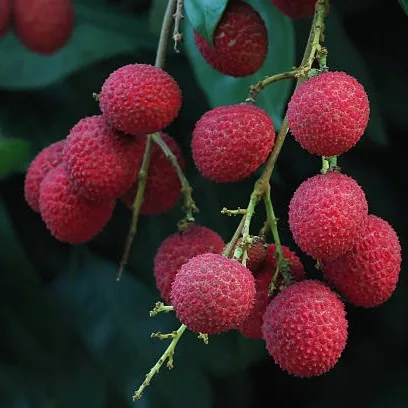
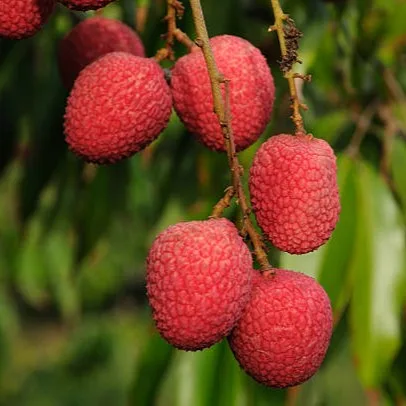
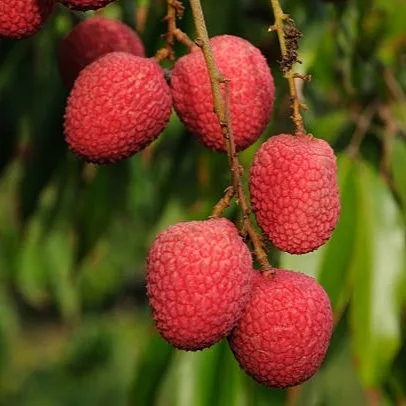
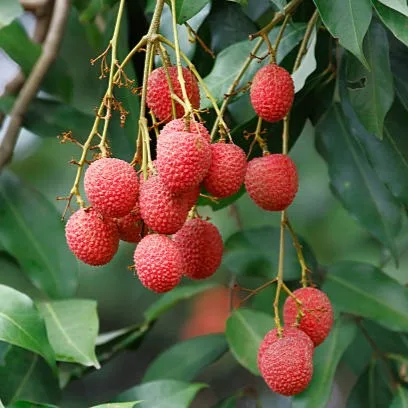
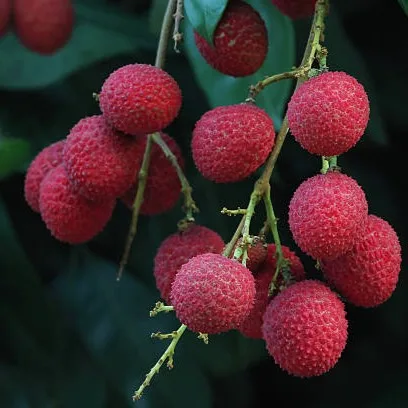
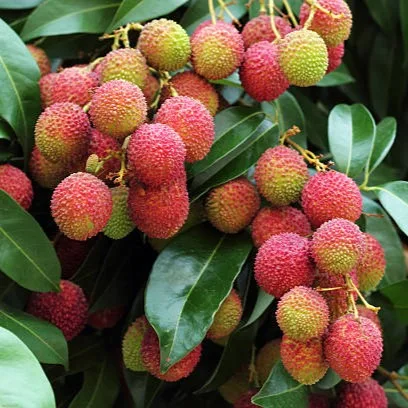
The Bombai Litchi Plant (Litchi chinensis ‘Bombai’) is a popular commercial litchi variety especially associated with West Bengal. This vigorous evergreen fruit tree produces attractive large, heart-shaped fruits with carmine-red skin and soft, juicy, sweet greyish-white pulp. With full sunlight, fertile soil and suitable seasonal conditions, Bombai Litchi is an excellent choice for home gardens and orchards.
Plant Information
Care Instructions
In the Box
- 1 Unit of the Bombai Litchi Plant
Key Features
- Bombai is an important commercial litchi cultivar recommended and cultivated in West Bengal.
- Produces relatively large, obliquely heart-shaped fruits with an attractive carmine-red colour over a greenish background.
- The fruit contains soft, juicy, greyish-white pulp with approximately 17% TSS reported by NHB, indicating good sweetness.
- Bombai generally matures during May, making it relatively early compared with many later litchi cultivars.
- Develops into a strong, spreading evergreen tree that can become a productive long-term orchard or home-garden specimen.
More About This Plant
The Bombai Litchi Plant, botanically classified as Litchi chinensis ‘Bombai’, is an important commercial litchi cultivar particularly associated with West Bengal. NHB includes Bombai among the recommended popular litchi cultivars for the state.
Bombai is a vigorous tree, generally reaching around 6–7 metres in height with a broad spreading canopy approximately 7–8 metres across when mature. Its large evergreen leaves create an attractive dense crown.
The cultivar is especially valued for its large fruits. Bombai fruits are generally obliquely heart-shaped, with attractive carmine-red tubercles over a greenish skin background. A distinctive characteristic of this variety is that a tiny undeveloped fruit is often attached near the stalk of the fully developed fruit.
Inside, the fruit contains soft, juicy, greyish-white pulp with a pleasant sweet flavour. NHB reports around 17% TSS, and mature trees under suitable orchard conditions may produce substantial crops.
Bombai is an early-to-mid-season cultivar. In West Bengal it generally reaches maturity during May, although harvest timing varies according to location and seasonal weather.
Litchi performs best where winters are relatively cool and dry enough to induce flowering, followed by warm and humid conditions during fruit development. It prefers deep, fertile, well-draining soil and regular moisture but should not remain permanently waterlogged. NHB recommends well-drained loam with a pH of approximately 5.5–7.0.
Because Bombai is a named cultivar, buyers should ideally receive vegetatively propagated planting material rather than seedlings. Seed-grown litchi has a long juvenile period and may not reproduce the cultivar true to type. NHB specifically recommends genuine vegetatively propagated material for commercial litchi varieties.
Product Specifications
General
Appearance
Flowering
Fruit
Growth
Growing Conditions
Climate
Bombai Litchi Seasonal Care Guide
During late winter and early spring, flowering begins. Maintain moderate soil moisture but avoid excessive watering or prolonged rain exposure where possible. Avoid pruning once flower panicles have developed, and encourage pollinator activity around the tree.
During spring, fruit set and fruit development become active. Maintain consistent moisture and prevent severe drought stress. Hot, dry winds should be avoided because they can contribute to fruit cracking and poor development.
During May, Bombai Litchi typically approaches harvest maturity in West Bengal. Fruits should be harvested when properly coloured and mature because litchi does not continue to ripen properly after harvest.
During the monsoon season, vigorous vegetative growth occurs after harvest. Apply compost or balanced nutrition as appropriate, ensure good drainage and remove damaged growth. Avoid prolonged waterlogging around the roots.
During autumn, allow new shoots to mature properly. Avoid stimulating excessive tender growth late in the season, as mature shoots are important for the following flowering cycle.
Product FAQs
What is Bombai Litchi?
When does Bombai Litchi fruit ripen?
How tall does a Bombai Litchi tree grow?
What are Bombai Litchi fruits like?
Should Bombai Litchi be grown from seed?
Customer reviews
Product Image Gallery
Also in Outdoor Plants
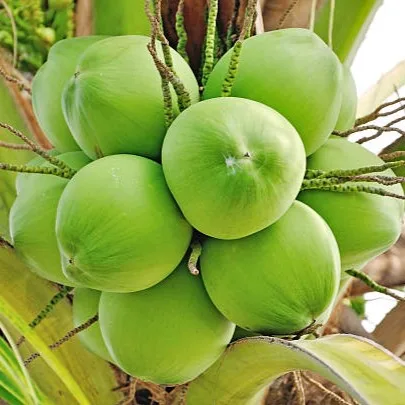
Coconut Plant – Live Cocos nucifera Tropical Fruit Palm for Home Garden, Farm & Plantation
Outdoor Plants
₹770.00
₹1999.00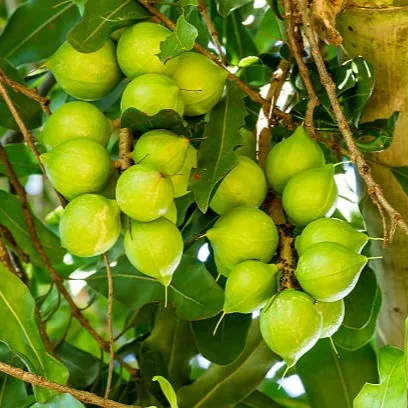
Macadamia Live Plant – Premium Edible Nut Tree for Home Garden, Farm & Tropical Orchard
Outdoor Plants
₹460.00
₹1799.00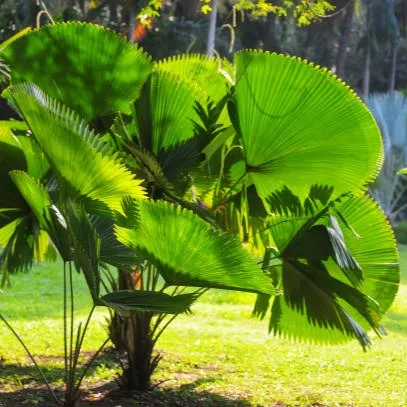
Pichodia Palm / Ruffled Fan Palm – Licuala grandis Live Tropical Big Leaves Plant for Home, Garden & Landscaping
Outdoor Plants
₹770.00
₹1999.00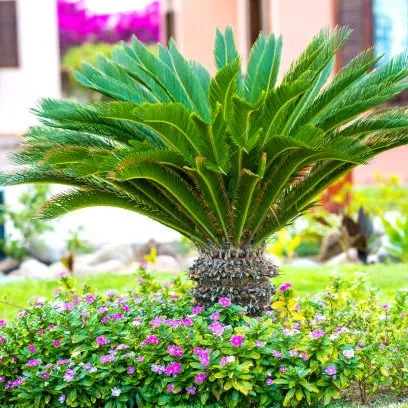
Cycas Live Plant – Cycas revoluta Sago Palm Ornamental Plant for Home, Garden, Balcony & Landscaping
Outdoor Plants
₹720.00
₹2999.00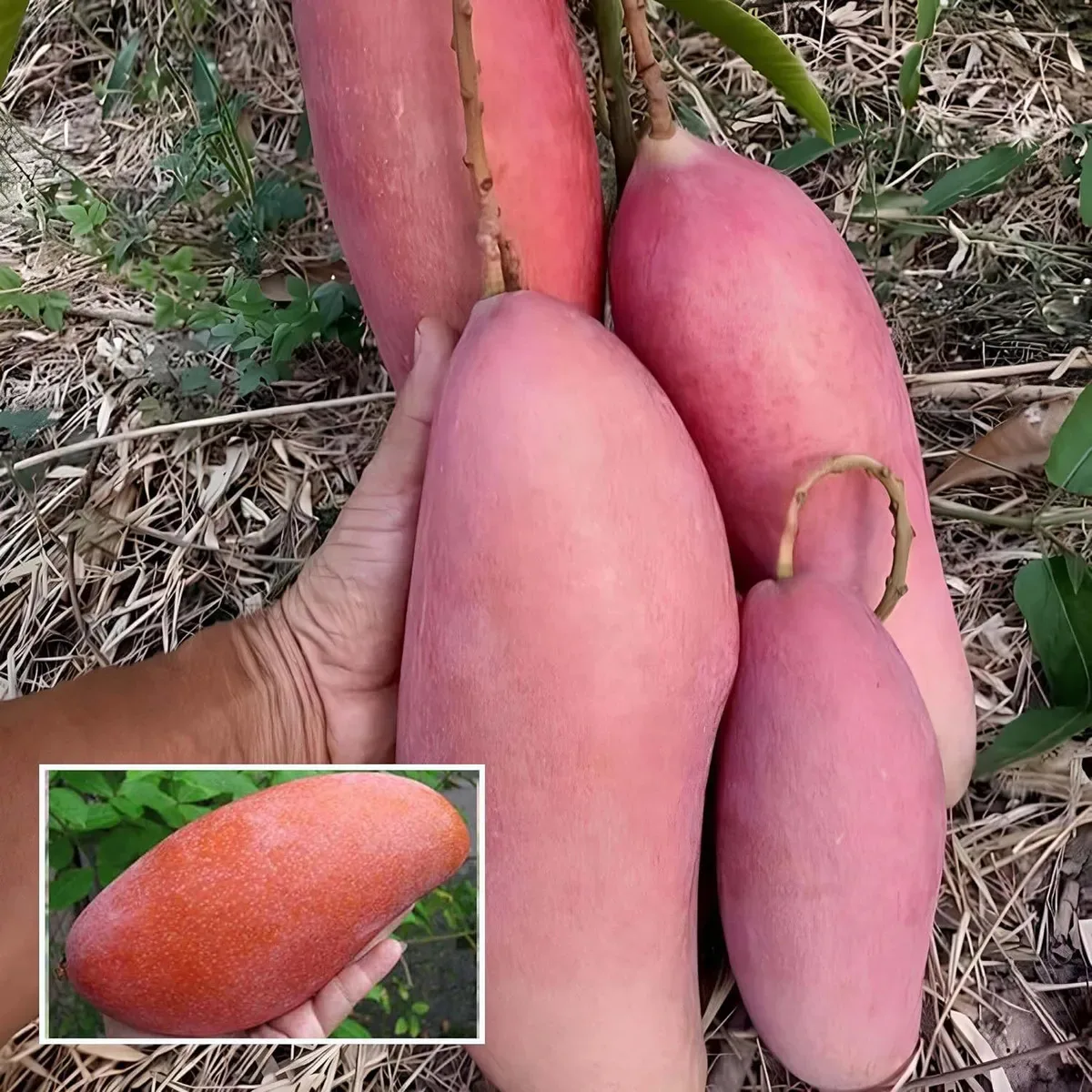
You Might Also Like
Coconut Plant – Live Cocos nucifera Tropical Fruit Palm for Home Garden, Farm & Plantation
Outdoor Plants
₹770.00
₹1999.00
Macadamia Live Plant – Premium Edible Nut Tree for Home Garden, Farm & Tropical Orchard
Outdoor Plants
₹460.00
₹1799.00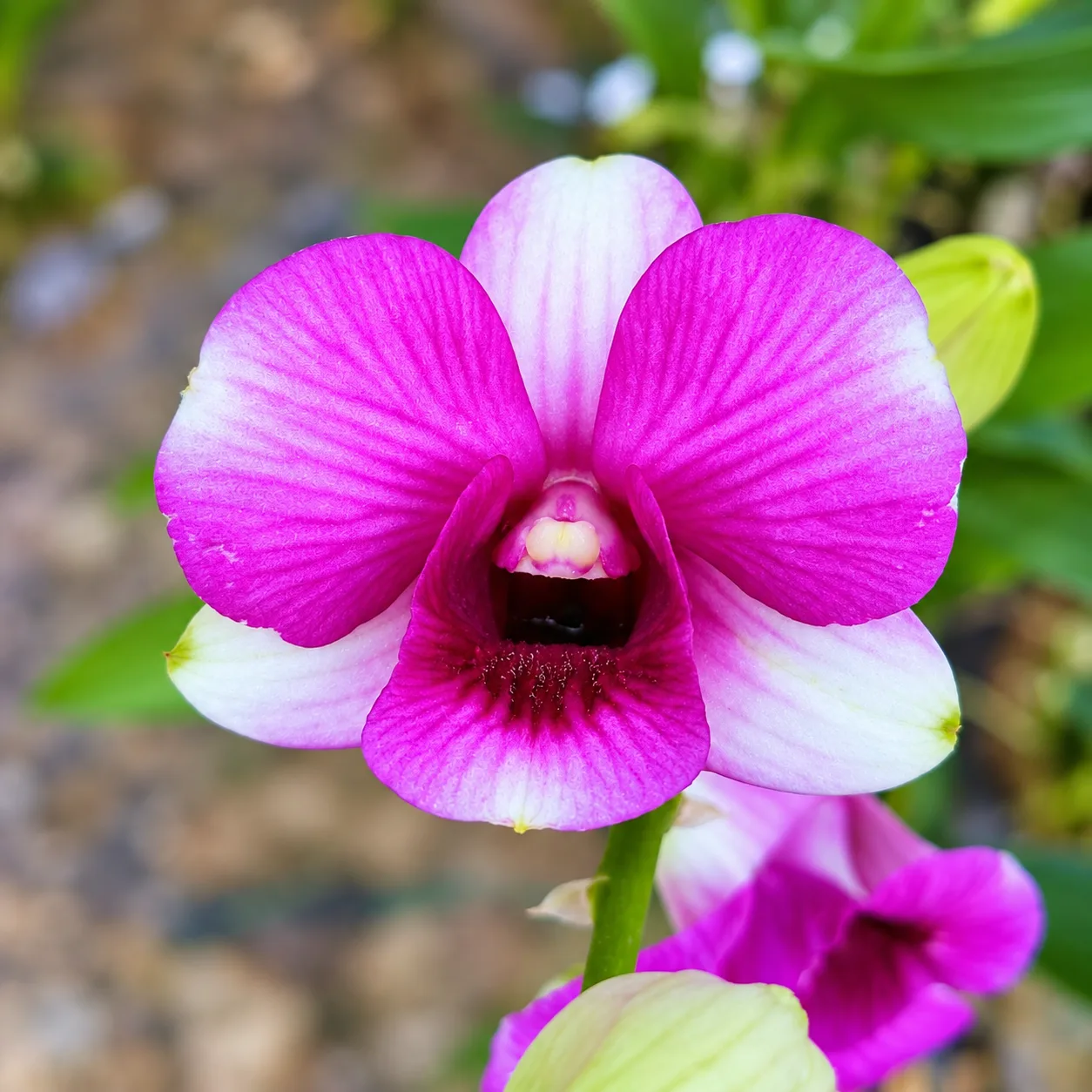
Air Two Tones P1296 Dendrobium Orchid – Live Pink Two-Tone Tropical Flowering Orchid Plant
Orchids
Out of Stock₹650.00
₹1999.00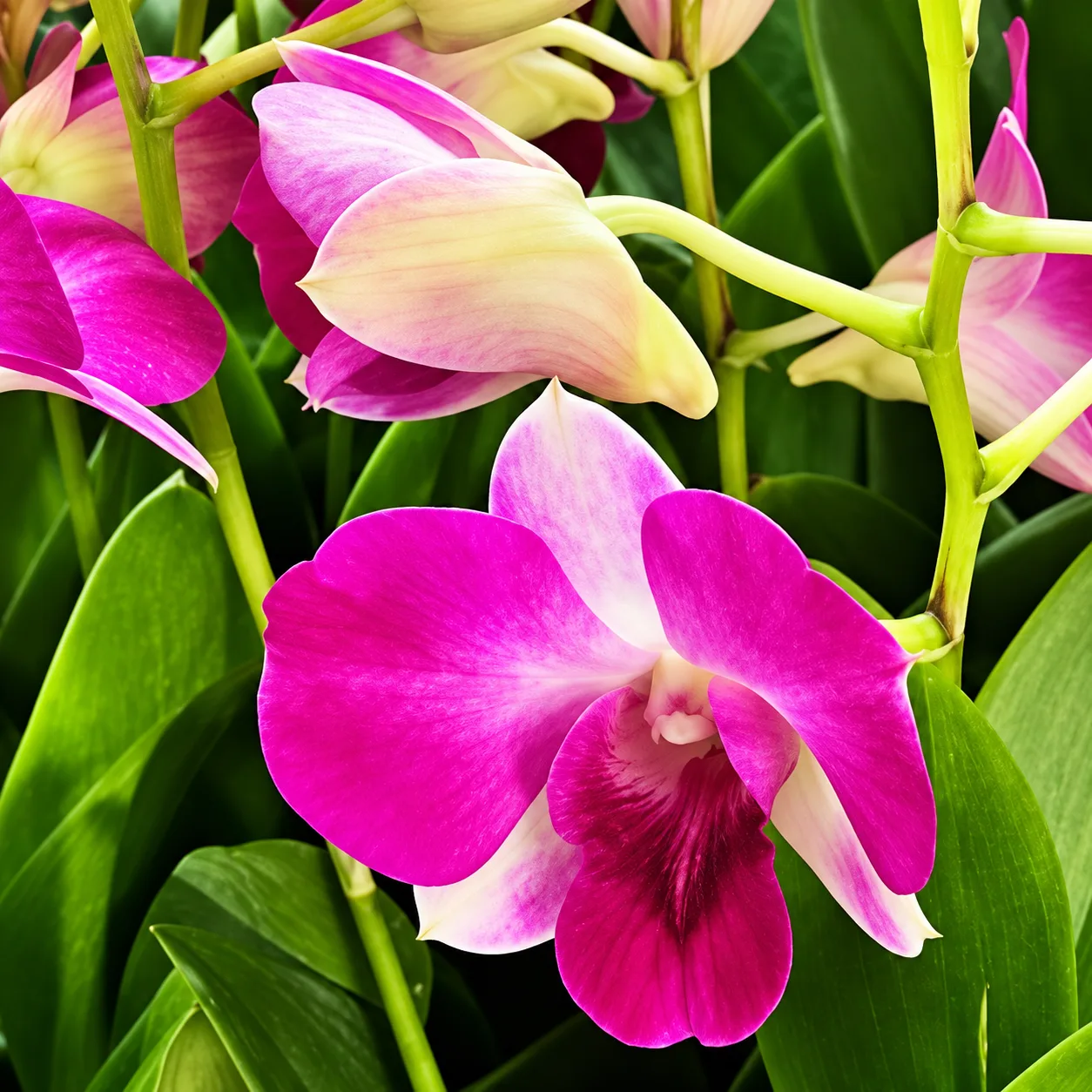
Air Two Tones × Red AB18977 Dendrobium Orchid – Live Red Two-Tone Tropical Flowering Orchid Plant
Orchids
Out of Stock₹650.00
₹1999.00
Pichodia Palm / Ruffled Fan Palm – Licuala grandis Live Tropical Big Leaves Plant for Home, Garden & Landscaping
Outdoor Plants