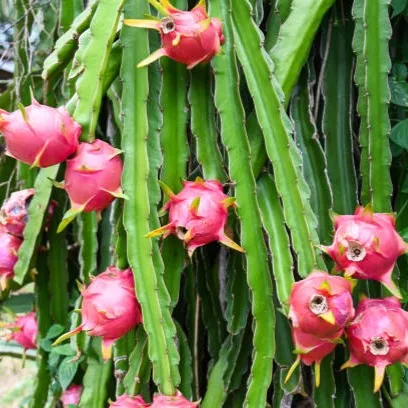
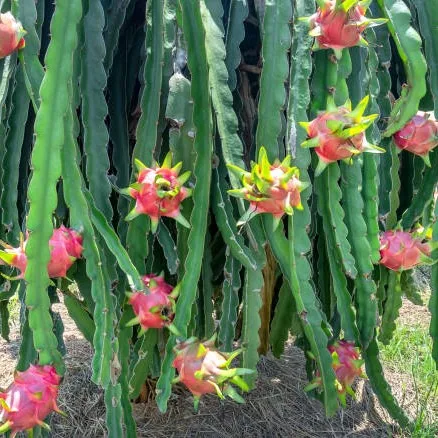
Dragon Fruit Live Plant – Pitaya / Kamalam Fruit Cactus Plant for Home Garden & Commercial Cultivation
₹225.00
₹799.00 72% OFF
The Dragon Fruit Live Plant is a fast-growing tropical climbing cactus prized for its spectacular night-blooming white flowers and colourful, refreshing edible fruits. Also known as Pitaya or Kamalam, Dragon Fruit is suitable for home gardens, terraces, farms and commercial plantations in tropical and subtropical regions of India. With full sunlight, sturdy support and well-draining soil, it develops vigorous green stems and can become a productive long-term fruit plant.
Plant Information
Care Instructions
In the Box
- 1 Unit of Dragon Fruit Plant
Key Features
- Produces attractive dragon fruits with juicy pulp and numerous tiny edible seeds. Depending on the variety, the flesh may be white, red, pink or purple.
- Produces very large, fragrant white flowers that open primarily at night. RHS reports individual flowers reaching approximately 30 cm across.
- Dragon fruit cultivation has expanded across India, including Karnataka, Maharashtra, Gujarat, Andhra Pradesh, Telangana, Tamil Nadu, West Bengal and several northeastern states.
- Suitable for home gardens as well as commercial plantations when trained on strong poles or trellis structures. ICAR describes rooted stem cuttings trained on concrete or metal supports as a standard cultivation method.
- Dragon Fruit is a long-lived perennial succulent cactus. Once established, the plant develops numerous trailing branches that can repeatedly flower and fruit under suitable conditions.
More About This Plant
The Dragon Fruit Plant, botanically known as Selenicereus undatus and formerly widely classified as Hylocereus undatus, is an exotic climbing cactus cultivated for its striking flowers and edible fruit. It belongs to the cactus family Cactaceae and is native from Mexico through parts of Central America.
Dragon Fruit develops long, fleshy, triangular green stems rather than conventional leaves. These stems climb naturally and therefore require support such as a pole, trellis or strong frame. In commercial Indian plantations, concrete poles or metal supports are commonly used so the mature branches can spread and hang over the top.
One of its most remarkable characteristics is its flowering habit. The plant produces large, fragrant white flowers that open at night. Under Indian growing conditions, flowering may begin around April, with repeated flowering flushes occurring through the warmer and monsoon months. IIHR research recorded flower-bud emergence from late March through late August.
After successful pollination, fruits usually mature within approximately a month, depending on cultivar and climate. Research from IIHR found approximately 29–33 days from flowering to optimum fruit maturity in red- and white-pulp types.
Dragon Fruit performs best in warm tropical and subtropical climates with good sunlight, excellent drainage and regular nutrition. Although it is a cactus, it benefits from regular irrigation during active growth and fruit development. However, standing water should always be avoided.
In very hot regions, strong summer sunlight can damage the green stems. Recent ICAR research shows that temperatures above approximately 35–40°C combined with intense solar radiation can cause sunburn, making seasonal shading beneficial in extreme heat.
Because live plants vary naturally, plant size, number of stems and maturity may differ from product photographs. Flowering and fruiting depend on age, variety, pollination, sunlight, climate and cultivation conditions.
Also in Fruit Plants
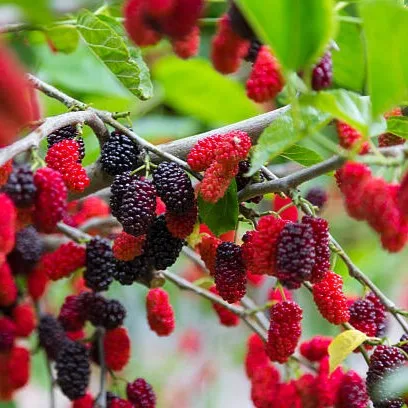
Mulberry Live Plant – Morus alba Sweet Fruiting Shahtoot Plant for Home Garden & Terrace
Fruit Plants
₹232.00
₹799.00
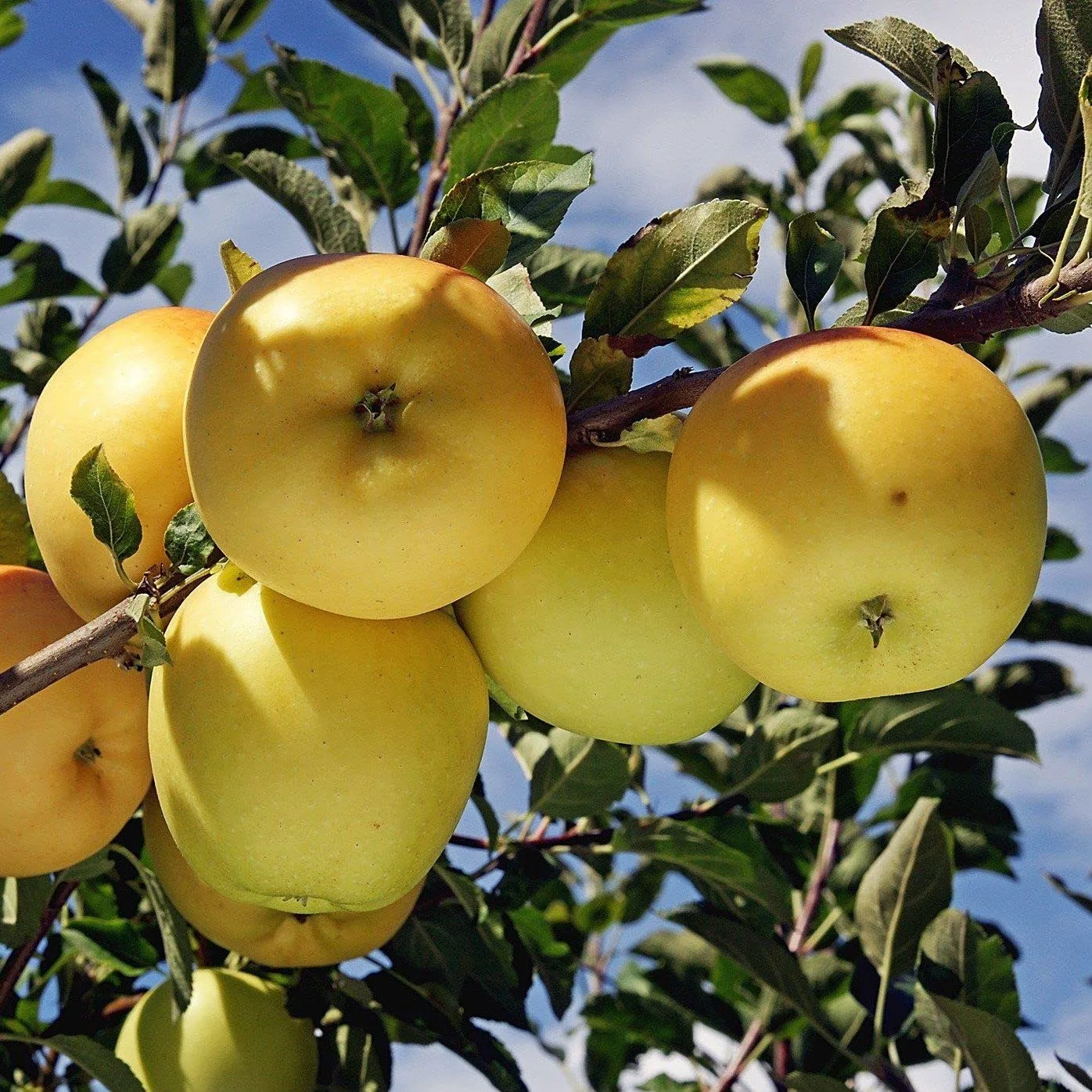
Dorsett Golden Apple Plant – Low Chill Live Apple Fruit Plant for Warm Climate, Indian Plains & Home Garden
Fruit Plants
₹265.00
₹999.00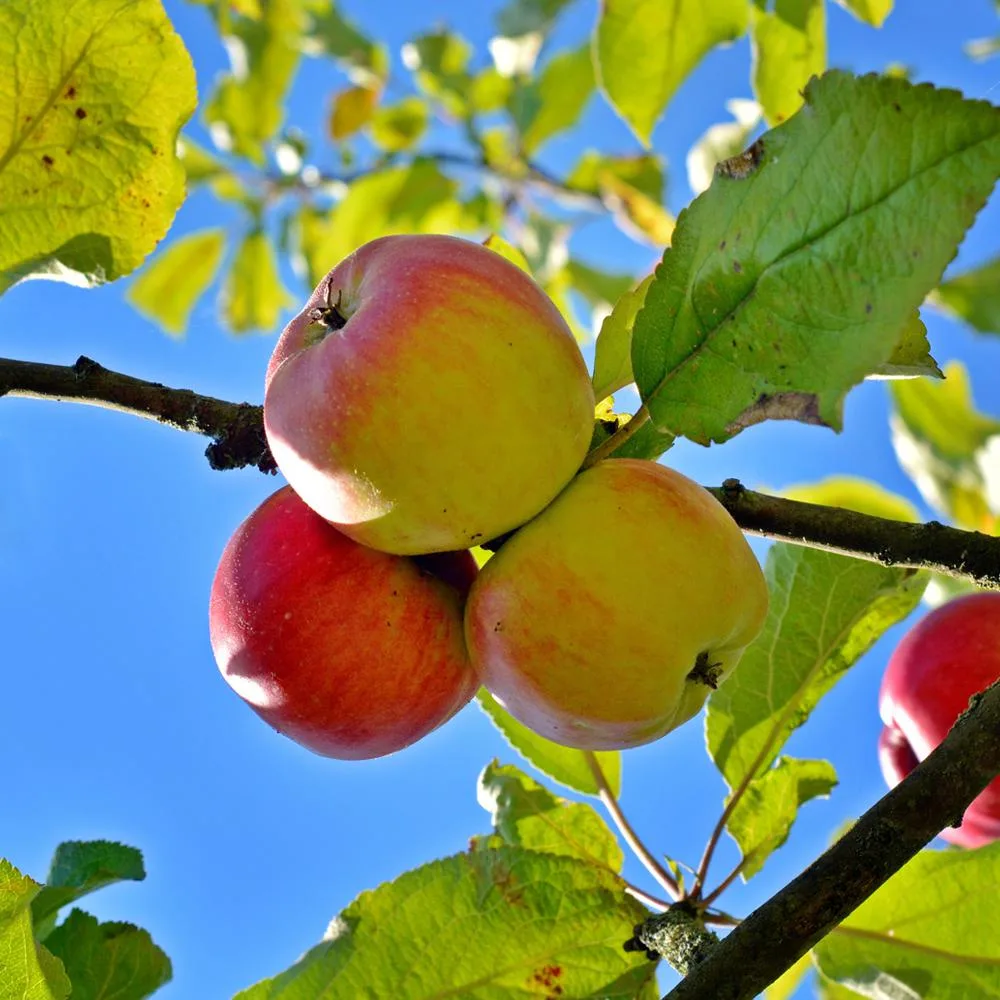
Anna Apple Plant – Low Chill Live Apple Fruit Plant for Warm Climate, Indian Plains & Home Garden
Fruit Plants
₹265.00
₹999.00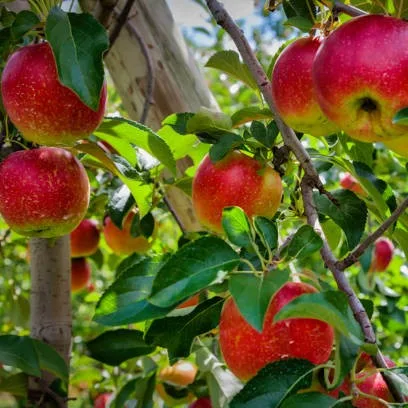
HRMN-99 Apple Live Plant – Hariman Low Chill Self-Pollinating Apple Fruit Plant for Tropical & Subtropical India
Fruit Plants
₹270.00
₹999.00You Might Also Like
Mulberry Live Plant – Morus alba Sweet Fruiting Shahtoot Plant for Home Garden & Terrace
Fruit Plants
₹232.00
₹799.00
Dorsett Golden Apple Plant – Low Chill Live Apple Fruit Plant for Warm Climate, Indian Plains & Home Garden
Fruit Plants
₹265.00
₹999.00
Anna Apple Plant – Low Chill Live Apple Fruit Plant for Warm Climate, Indian Plains & Home Garden
Fruit Plants
₹265.00
₹999.00
HRMN-99 Apple Live Plant – Hariman Low Chill Self-Pollinating Apple Fruit Plant for Tropical & Subtropical India
Fruit Plants
₹270.00
₹999.00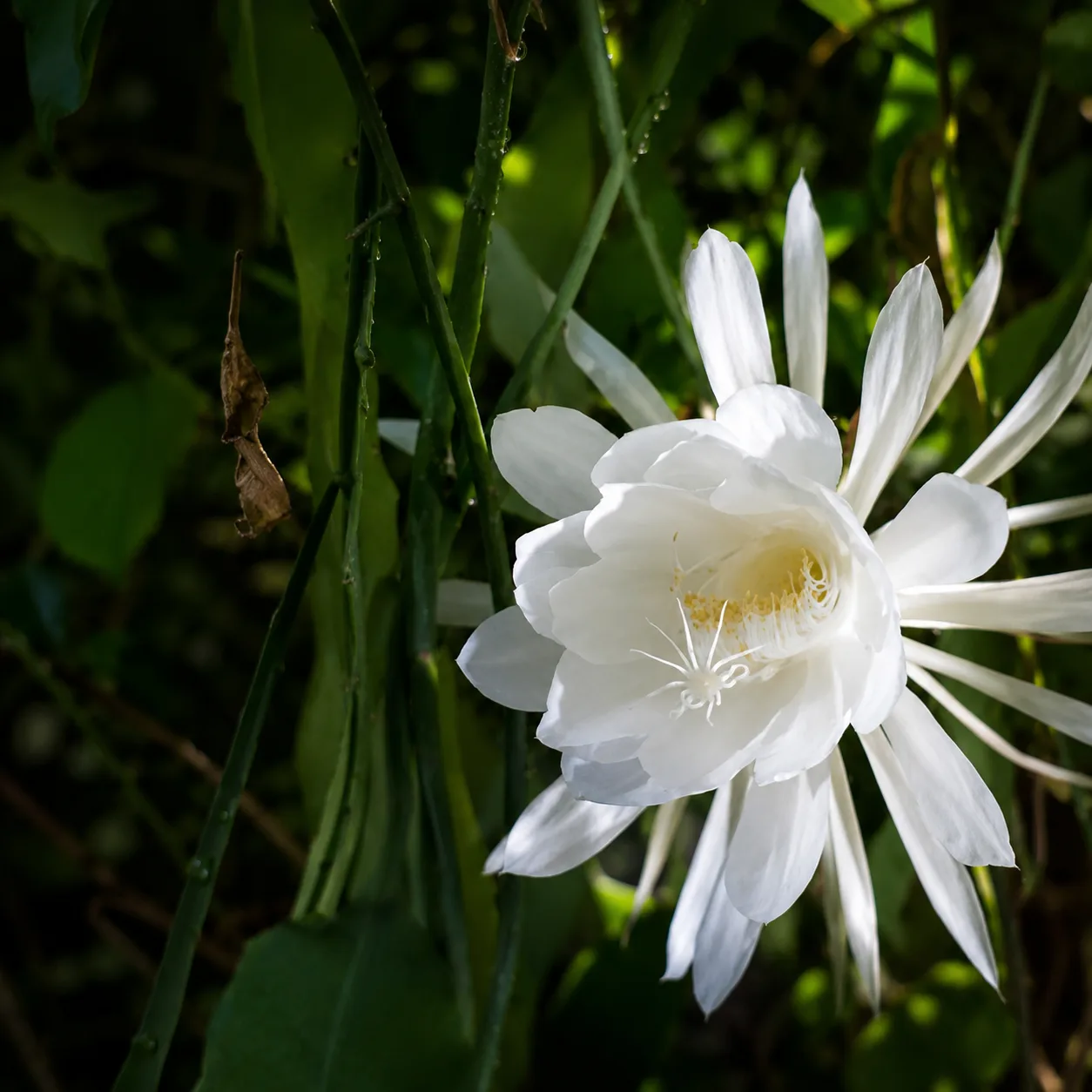
Night Queen / Brahma Kamal Live Plant – Epiphyllum oxypetalum Rare Fragrant Night Blooming Cactus for Home & Garden
Flowering Plants