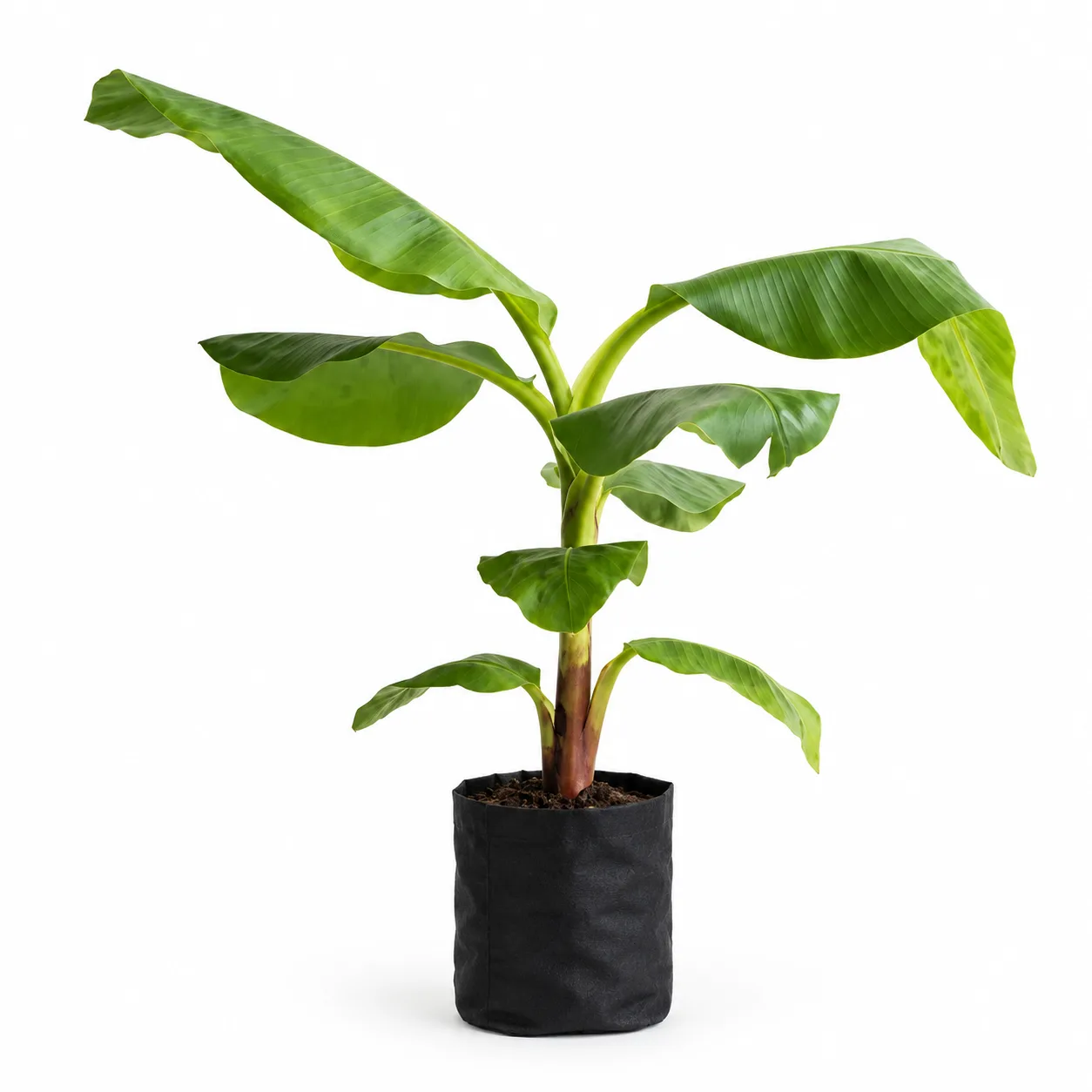
Grand Naine G9 Banana Plant – High Yield Live Cavendish Banana Fruit Plant for Home Garden & Commercial Cultivation
₹250.00
₹999.00 75% OFF
The Grand Naine (G9) Banana Plant is a high-yielding Cavendish banana variety widely grown across India for its long cylindrical fruits, excellent eating quality and strong commercial value. Known for producing heavy bunches with good keeping quality, G9 is ideal for home gardens, farms and commercial banana cultivation in warm tropical and subtropical regions.
Plant Information
Care Instructions
In the Box
- 1 Unit of G9 Banana Plant
Key Features
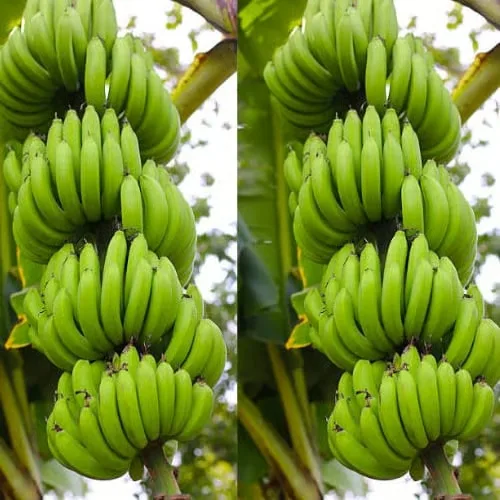
- Grand Naine is one of the most commercially important Cavendish bananas and typically produces heavy bunches. NHB reports average bunch weights around 25 kg, with suitable management producing approximately 32–35 kg or more.
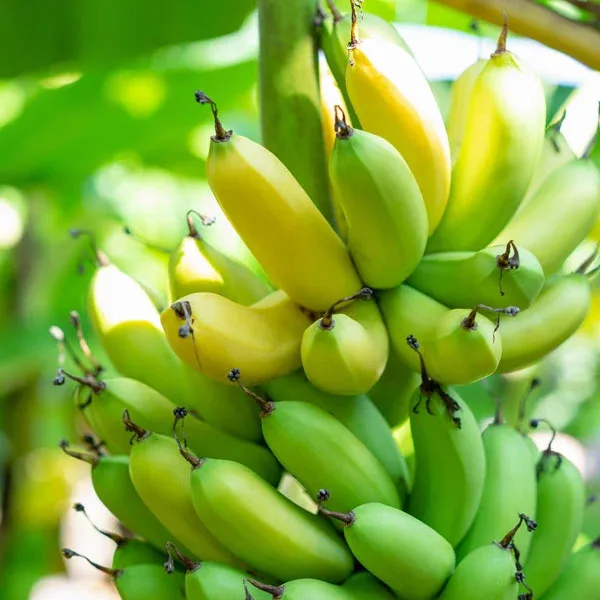
- Produces long, cylindrical fruits with relatively little curvature and good eating quality. TNAU also notes good keeping quality.
- Grand Naine is widely accepted for both fresh consumption and processing and is particularly important in commercial/export-oriented banana production.
- Grand Naine is one of India's most important tissue-culture banana cultivars. TNAU documents large-scale micropropagation of the variety for uniform planting material.
- The variety has a relatively high pulp-to-peel ratio, making it useful for both table use and processing.
More About This Plant
The Grand Naine Banana Plant, popularly known as G9 Banana, is one of the most commercially important Cavendish banana cultivars grown in India. Botanically classified as Musa acuminata ‘Grand Nain’ (AAA Group), it is valued for its high productivity, uniform fruit shape, good shelf life and broad market acceptance.
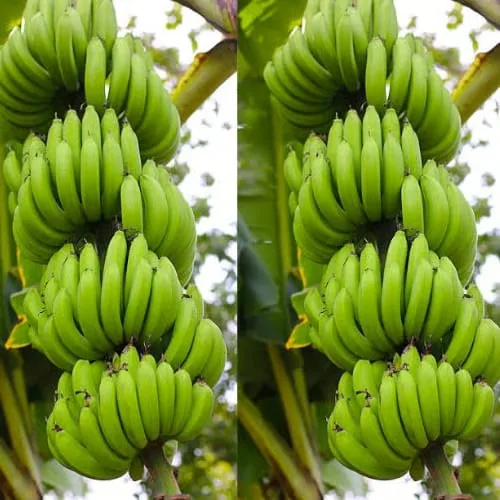
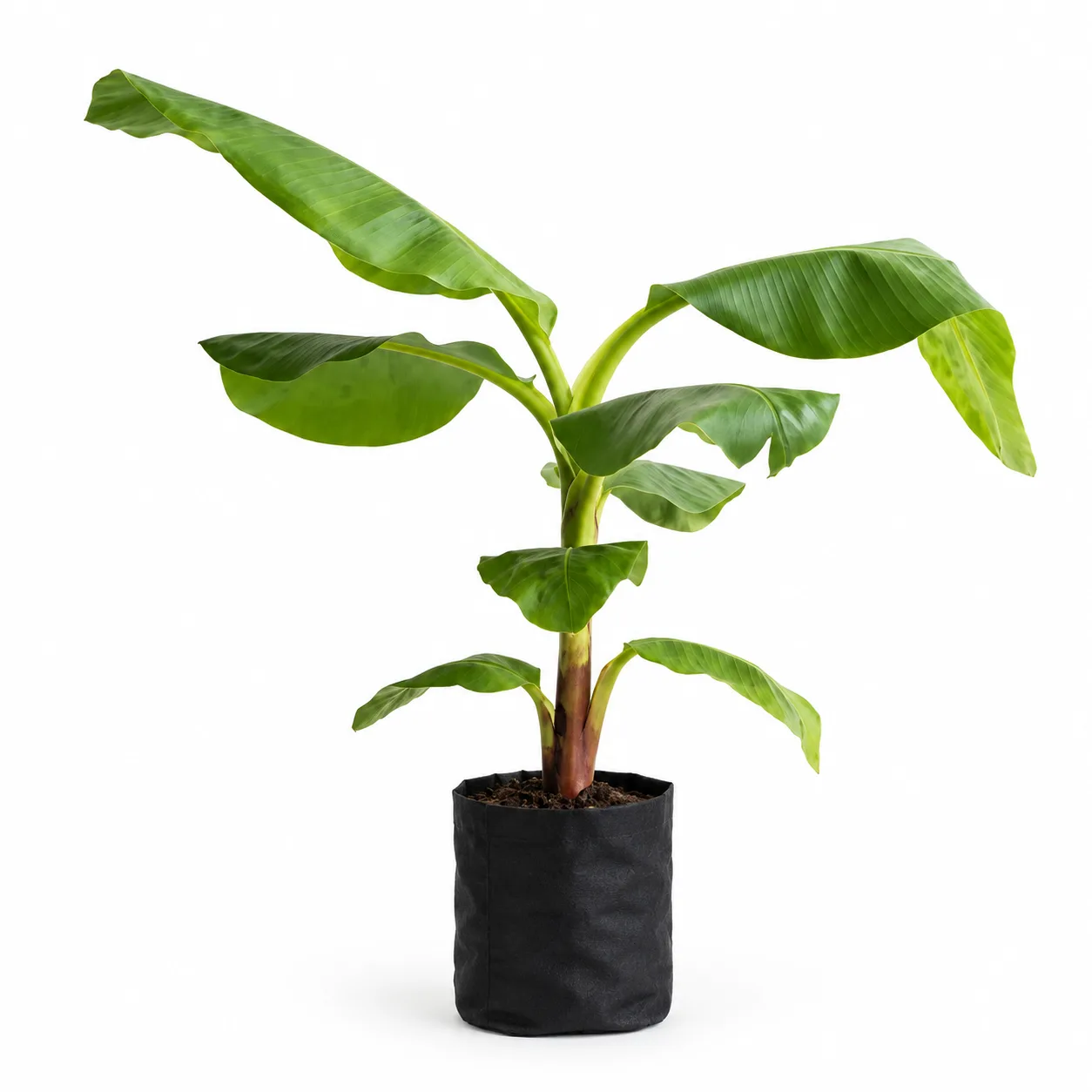
The plant develops a sturdy pseudostem and large tropical green leaves, generally reaching around 6.5–8 feet in height under good cultivation. It produces heavy bunches containing multiple hands of long, cylindrical bananas. TNAU reports approximately 10–12 hands and 175–225 fruits per bunch under good conditions.
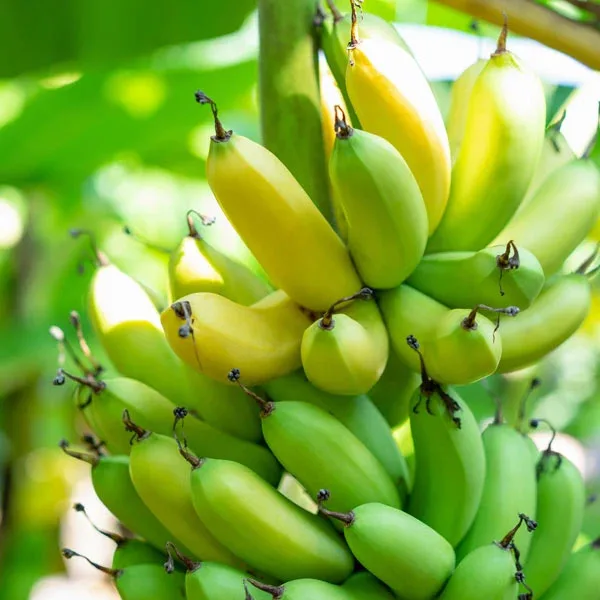
The fruits mature from green to an attractive yellowish-green or golden-yellow shade and have soft, sweet pulp with good eating quality. Grand Naine is widely accepted in both fresh-fruit and processing markets.
NHB describes Grand Naine as an important commercial variety with a typical crop duration of around 11–12 months, although harvest timing varies according to climate, planting material and crop management.
Grand Naine performs best in warm tropical or subtropical conditions, full sunlight, fertile well-draining soil and consistent moisture. Because banana is a heavy feeder, regular nutrition and irrigation are particularly important during active growth and bunch development.
For commercial plantations, hardened tissue-culture plants are especially desirable because they offer more uniform growth and crop maturity when sourced from a reliable propagation facility. TNAU notes the widespread use of tissue-cultured Grand Naine plants in India.
Product Specifications
General
Growth
Growing Conditions
Climate
Fruit
Production
Grand Naine G9 Banana Seasonal Care Guide
During summer, banana plants grow actively and require regular watering. Keep the soil consistently moist but well drained. Mulching is useful for reducing moisture loss during extreme heat. Plants carrying developing bunches may require extra potassium and support against strong winds.
During the monsoon season, reduce irrigation according to rainfall and ensure water drains freely from the root zone. Remove damaged or diseased leaves and maintain good field sanitation. Prolonged wet conditions can increase disease pressure.
During autumn, continue regular nutrition and irrigation according to plant stage. Plants approaching flowering or bunch development should not be allowed to suffer moisture stress.
During winter, growth may slow in cooler regions. Reduce irrigation if the soil remains moist for longer periods and protect young plants from cold winds and unusually low temperatures. TNAU notes that tissue-culture banana can be planted throughout much of the year but planting should be avoided when temperatures are excessively low or high.
Because G9 plantations can be established at different times of year, care should ultimately be adjusted according to the plant's growth stage rather than calendar season alone.
Product FAQs
What is G9 or Grand Naine Banana?
How long does G9 Banana take to produce fruit?
How much fruit can a Grand Naine Banana Plant produce?
Can G9 Banana be grown in a home garden?
Is tissue-culture G9 Banana better for planting?
Product Image Gallery
Also in Fruit Plants
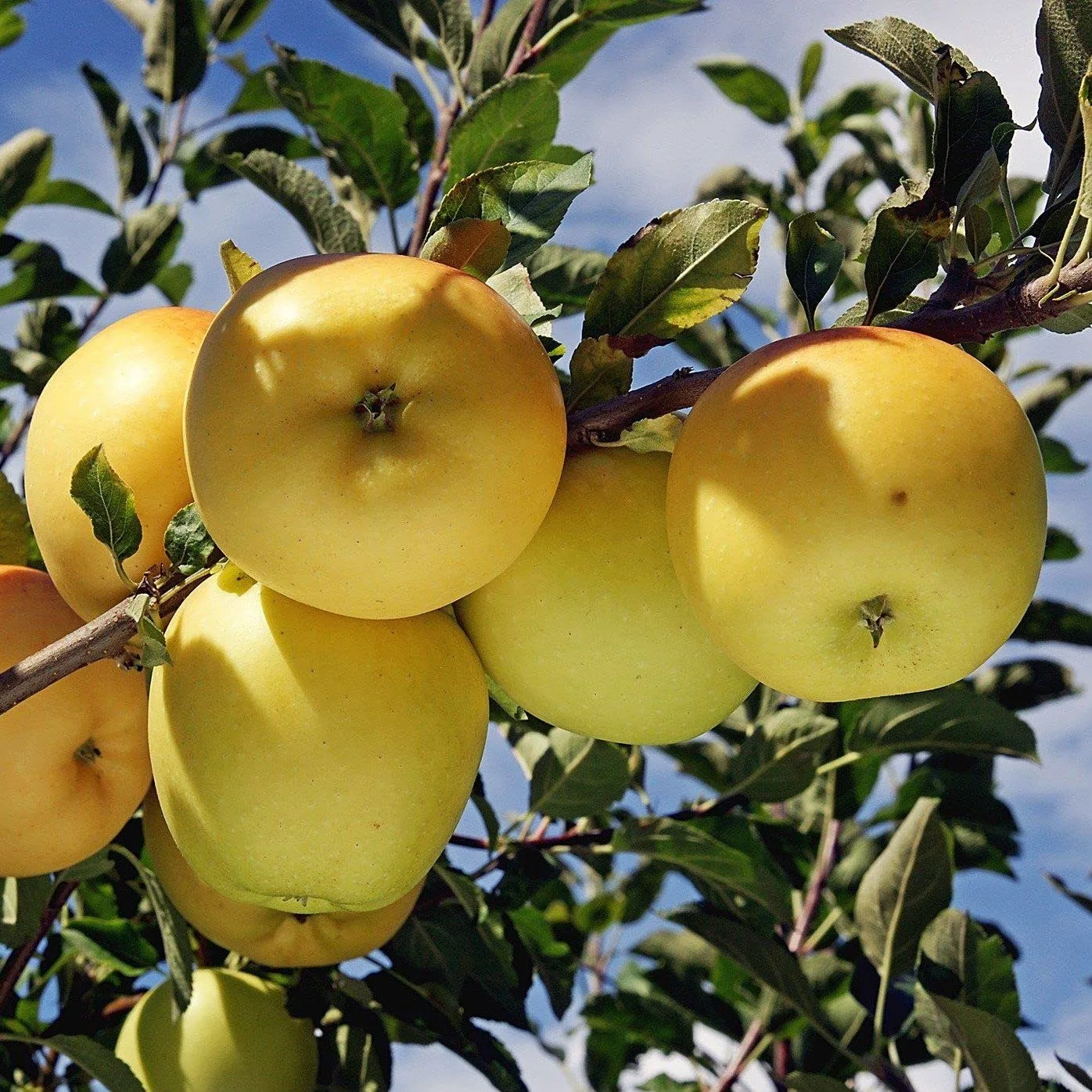
Dorsett Golden Apple Plant – Low Chill Live Apple Fruit Plant for Warm Climate, Indian Plains & Home Garden
Fruit Plants
₹265.00
₹999.00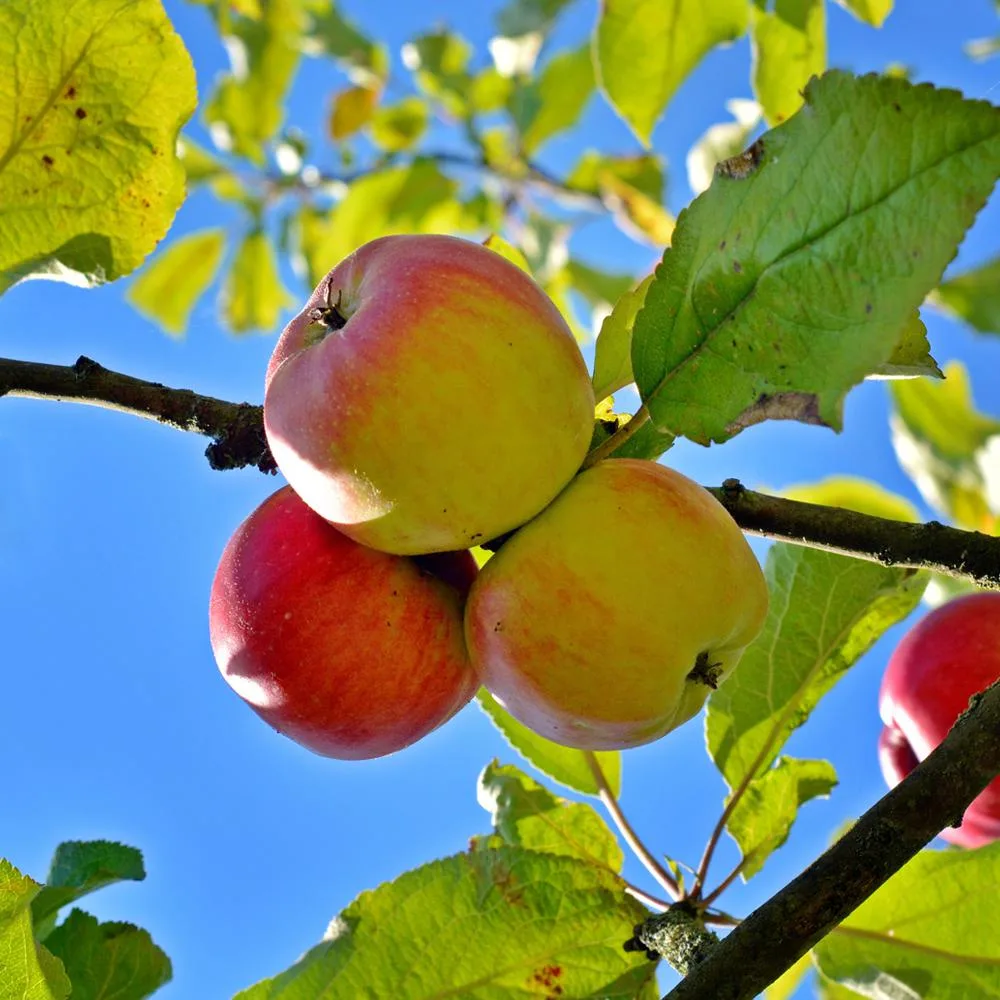
Anna Apple Plant – Low Chill Live Apple Fruit Plant for Warm Climate, Indian Plains & Home Garden
Fruit Plants
₹265.00
₹999.00
HRMN-99 Apple Live Plant – Hariman Low Chill Self-Pollinating Apple Fruit Plant for Tropical & Subtropical India
Fruit Plants
₹270.00
₹999.00You Might Also Like
Dorsett Golden Apple Plant – Low Chill Live Apple Fruit Plant for Warm Climate, Indian Plains & Home Garden
Fruit Plants
₹265.00
₹999.00
Anna Apple Plant – Low Chill Live Apple Fruit Plant for Warm Climate, Indian Plains & Home Garden
Fruit Plants
₹265.00
₹999.00
HRMN-99 Apple Live Plant – Hariman Low Chill Self-Pollinating Apple Fruit Plant for Tropical & Subtropical India
Fruit Plants
₹270.00
₹999.00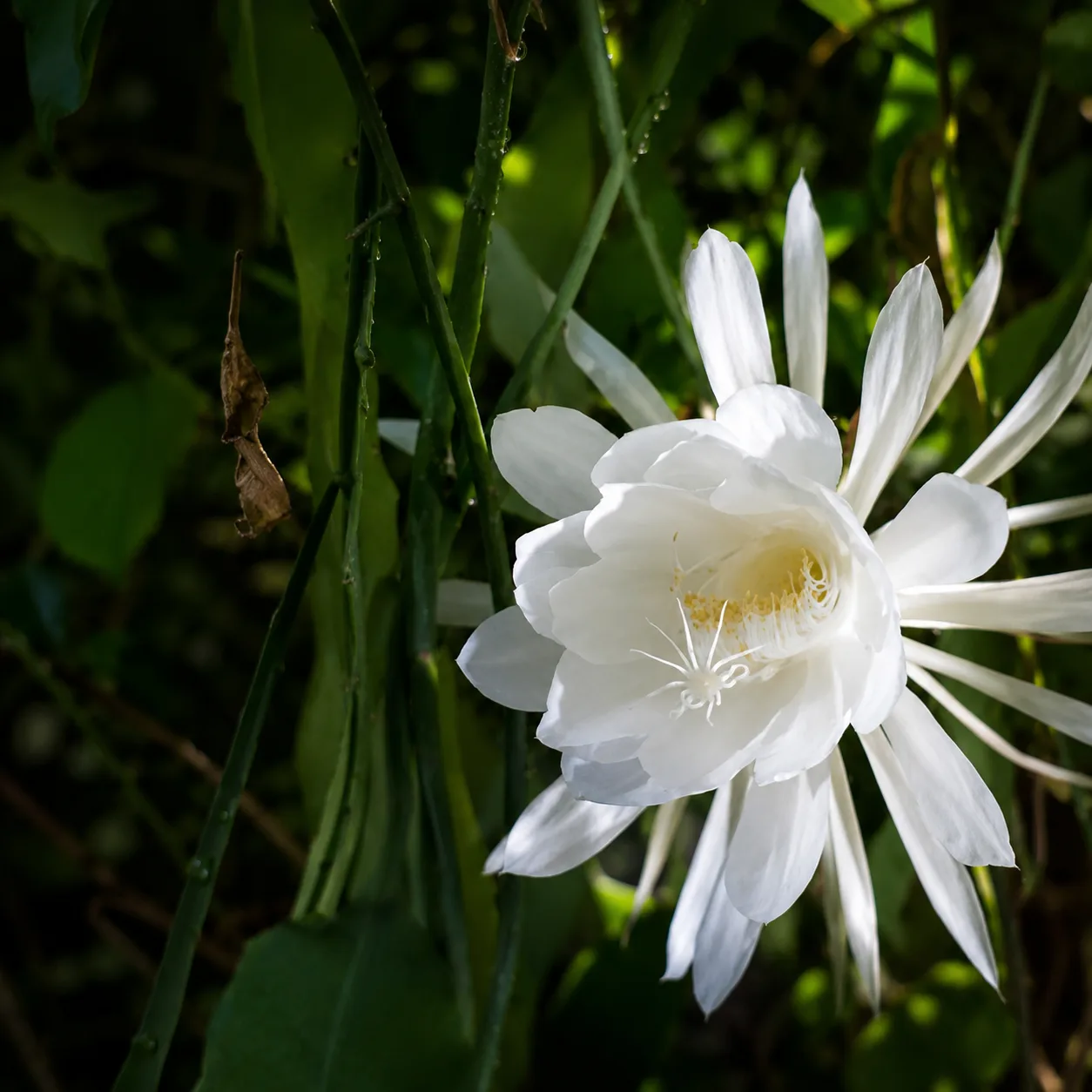
Night Queen / Brahma Kamal Live Plant – Epiphyllum oxypetalum Rare Fragrant Night Blooming Cactus for Home & Garden
Flowering Plants