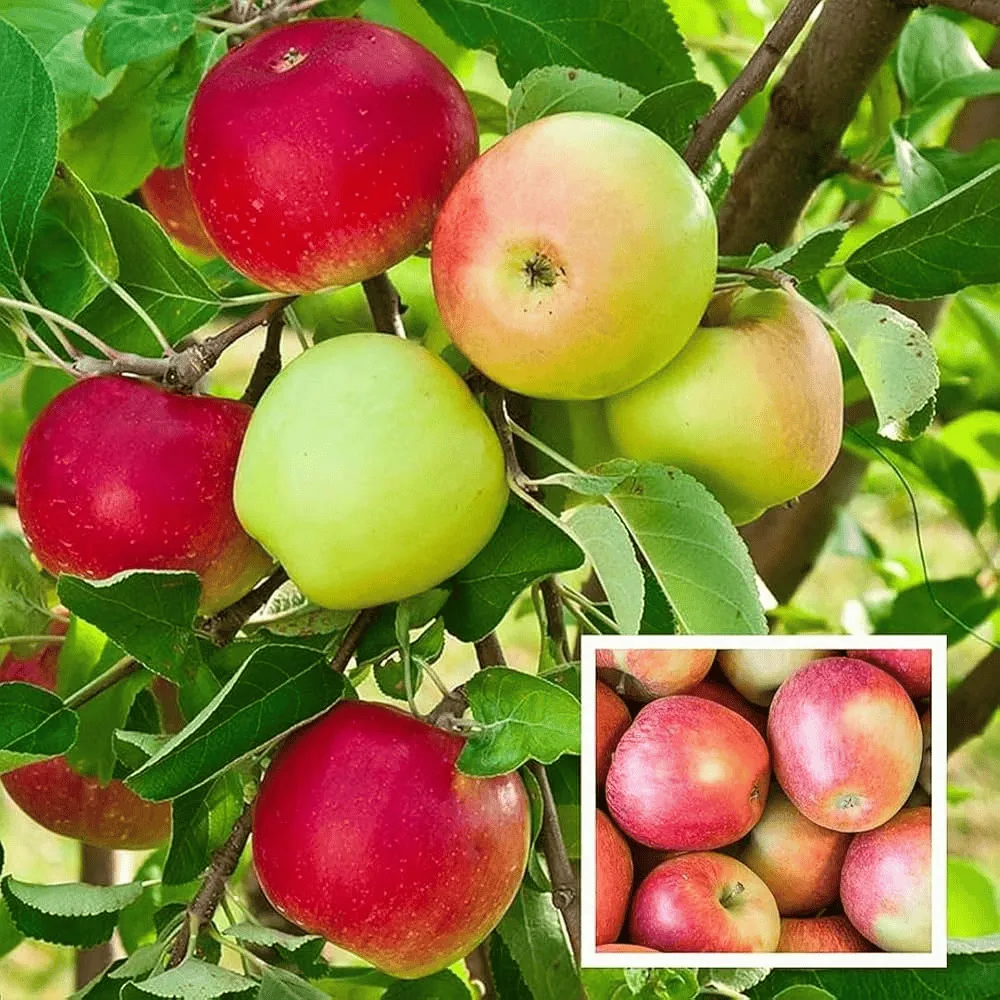
HRMN-99 Apple Live Plant – Hariman Low Chill Self-Pollinating Apple Fruit Plant for Tropical & Subtropical India
₹270.00
₹999.00 73% OFF
The HRMN-99 Apple Plant is an innovative low-chill, self-pollinating apple variety developed in Himachal Pradesh for cultivation beyond traditional cold apple-growing regions. Suitable for many tropical, subtropical and plain areas of India, it produces attractive yellow-red fruits with sweet, juicy pulp under suitable conditions. An excellent fruit plant for home gardens, orchards and growers looking to cultivate apples in comparatively warmer climates.
Plant Information
Care Instructions
In the Box
- 1 Unit of HRMN-99 Apple Plant
Key Features
- HRMN-99 was developed specifically for warmer, low-altitude areas where traditional apple varieties may struggle because of insufficient winter chilling.
- ICAR identifies HRMN-99 as a self-pollinating variety, making it particularly useful for home gardens and smaller plantings.
- The variety has shown successful cultivation and fruit setting in tropical and subtropical parts of India, including areas experiencing summer temperatures around 40–45°C.
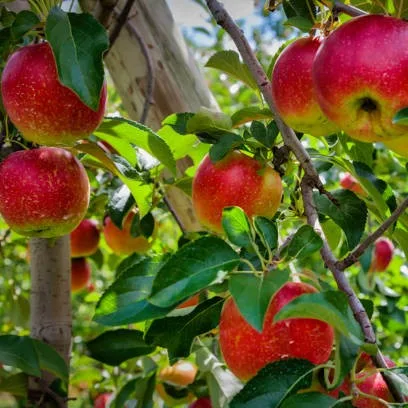
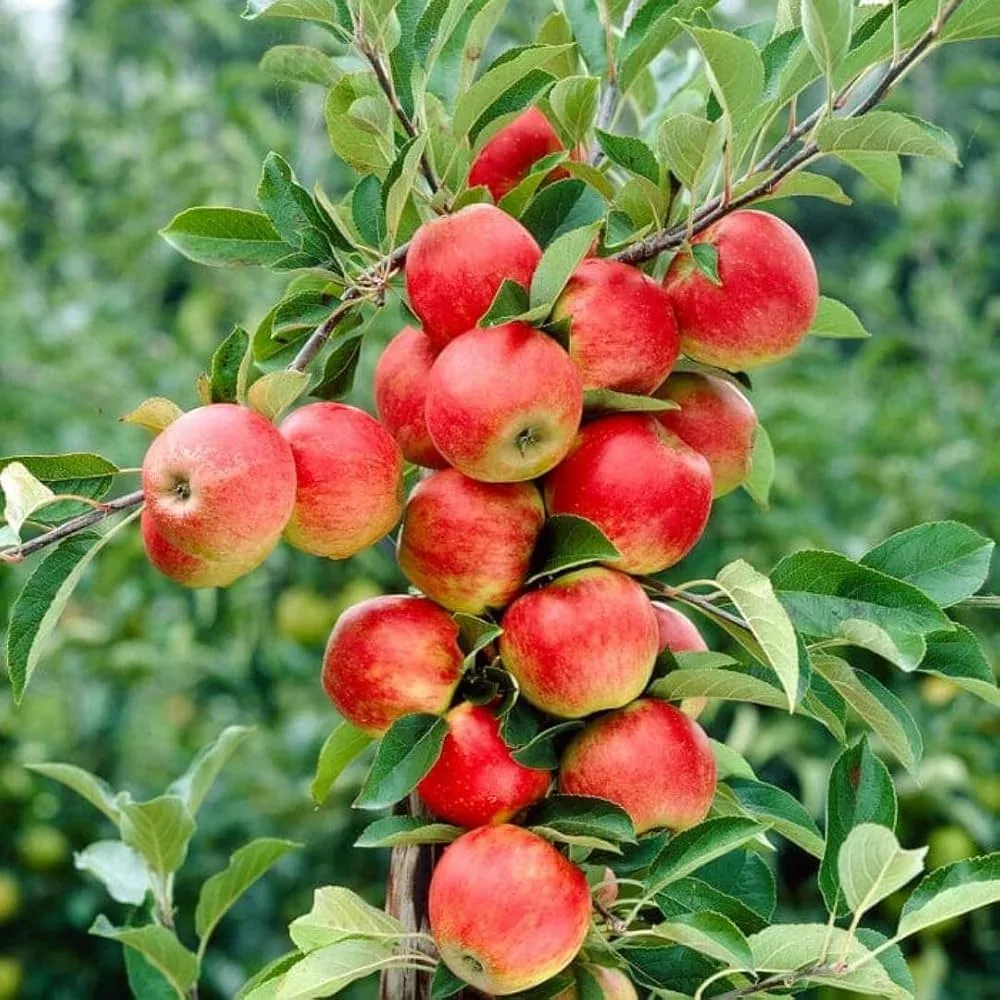
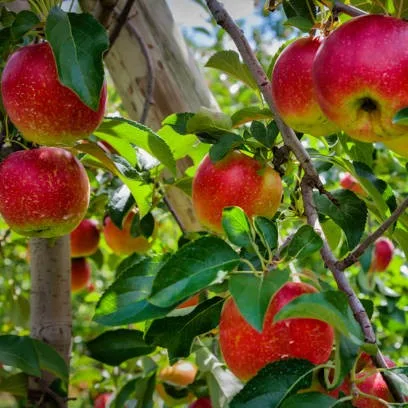
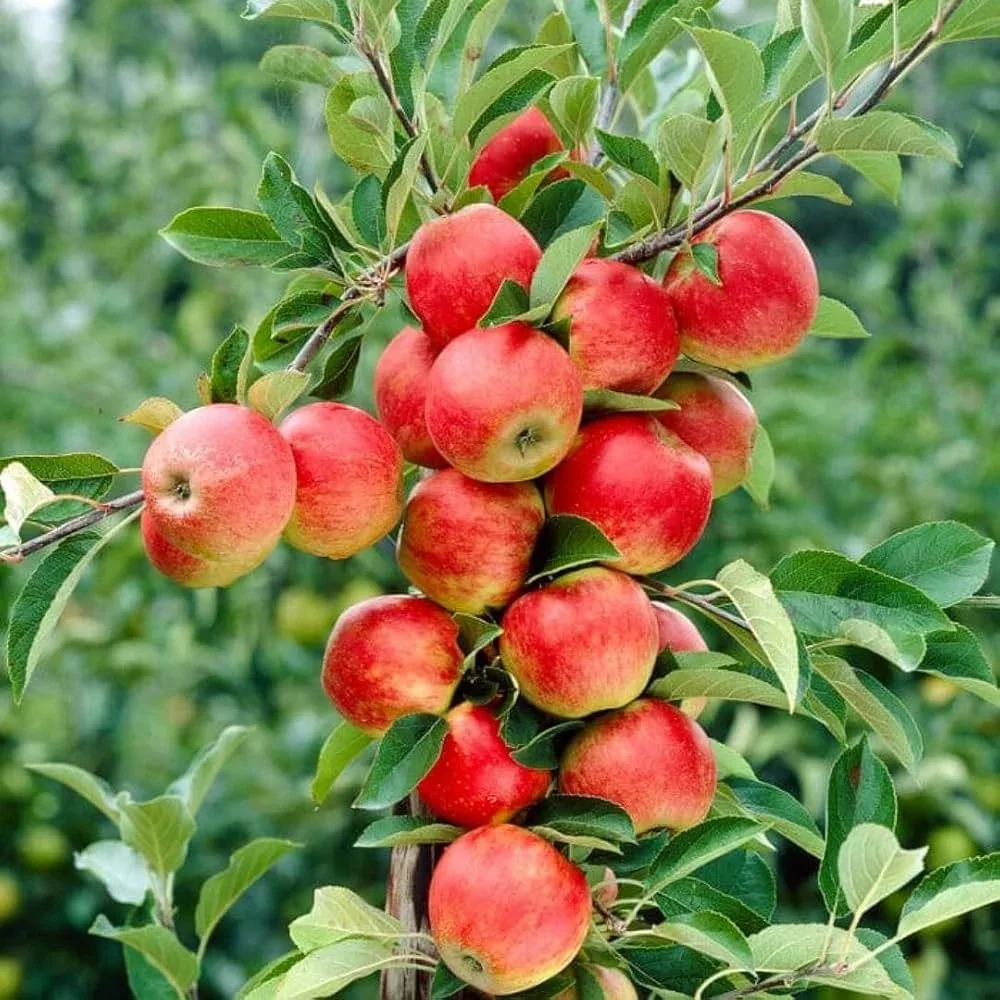
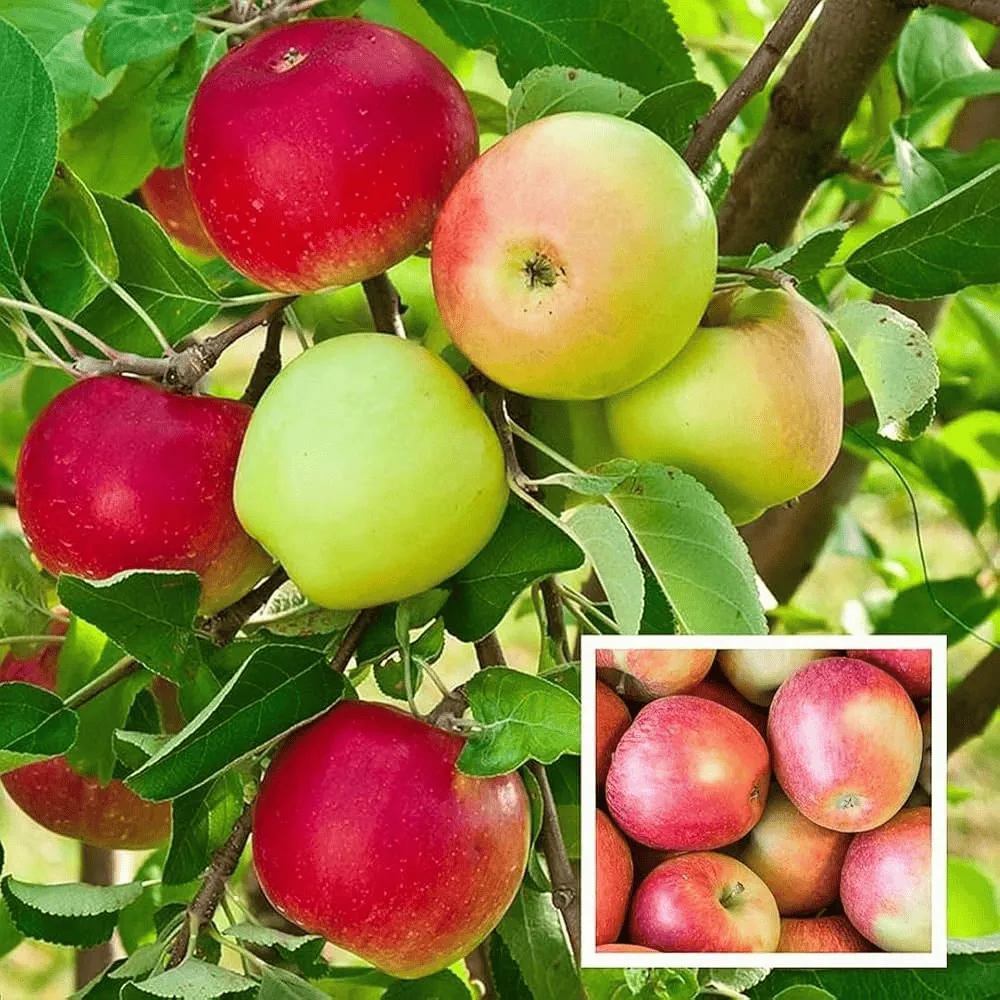
- HRMN-99 produces yellow-skinned fruit with red blush and soft, sweet, juicy flesh. Government and NIF evaluations have reported fruit weights approximately 84–178 g and TSS around 11–14.2°Brix.
- It can be grown as a productive backyard fruit tree or as part of a commercial orchard in suitable low-chill regions.
More About This Plant
The HRMN-99 Apple Plant is a distinctive low-chilling apple variety developed by farmer-innovator Hariman Sharma of Paniyala, Bilaspur, Himachal Pradesh. Unlike conventional apple varieties that generally require long periods of winter chilling, HRMN-99 was selected for its ability to flower and fruit in relatively warm, low-altitude conditions. The variety has since been evaluated and promoted by the National Innovation Foundation and recognized by Indian agricultural institutions.
HRMN-99 is self-pollinating and has been successfully cultivated in several tropical and subtropical regions of India. Government sources report fruit setting in states including Uttar Pradesh, Karnataka, Maharashtra, Telangana, West Bengal, Bihar, Gujarat, Haryana, Manipur and others.
A mature plant may grow approximately 12–15 feet tall and can begin meaningful fruiting after around the third year under suitable conditions. NIF reports flowering beginning around January and harvesting around June in its original growing region.
The ripe fruits typically develop yellow skin with red colouring, along with soft, sweet and juicy pulp. HRMN-99 is particularly interesting for gardeners and growers in areas where normal high-chill apple varieties are unsuitable.
For best results, plant it in full sunlight, fertile well-draining soil and provide regular irrigation during establishment. Annual pruning and proper nutrition help maintain tree structure and support flowering and fruit production.
Because fruiting is strongly influenced by plant age, rootstock, climate, pruning, nutrition and local conditions, fruit production cannot be guaranteed immediately after planting.
Product Specifications
General
Growth
Climate
Growing Conditions
Pollination
Flowering
Harvest
Fruit
HRMN-99 Apple Seasonal Care Guide
During spring, flowering, fruit set and new vegetative growth require consistent moisture and nutrition. Keep the soil evenly moist without waterlogging and avoid severe pruning once flowering and fruit development have begun.
During summer, fruits develop and may reach harvest maturity around May–June depending on location and seasonal conditions. Water deeply during prolonged hot weather and maintain mulch around the root zone, keeping mulch away from direct contact with the trunk. HRMN-99 has demonstrated adaptation to hot regions, but young plants still require reliable moisture while establishing.
During the monsoon season, reduce irrigation according to rainfall. Ensure the planting site drains quickly and inspect regularly for fungal disease, root stress and excessive vegetative growth. Avoid prolonged waterlogging.
During autumn, gradually reduce heavy nitrogen feeding and prepare the plant for its next seasonal cycle. Remove damaged growth and maintain basic sanitation around the tree.
Product FAQs
Can HRMN-99 Apple grow in hot areas of India?
Does HRMN-99 need another apple tree for pollination?
How long does HRMN-99 take to produce apples?
How tall does an HRMN-99 Apple tree grow?
When does HRMN-99 flower and produce fruit?
Product Image Gallery
Also in Fruit Plants
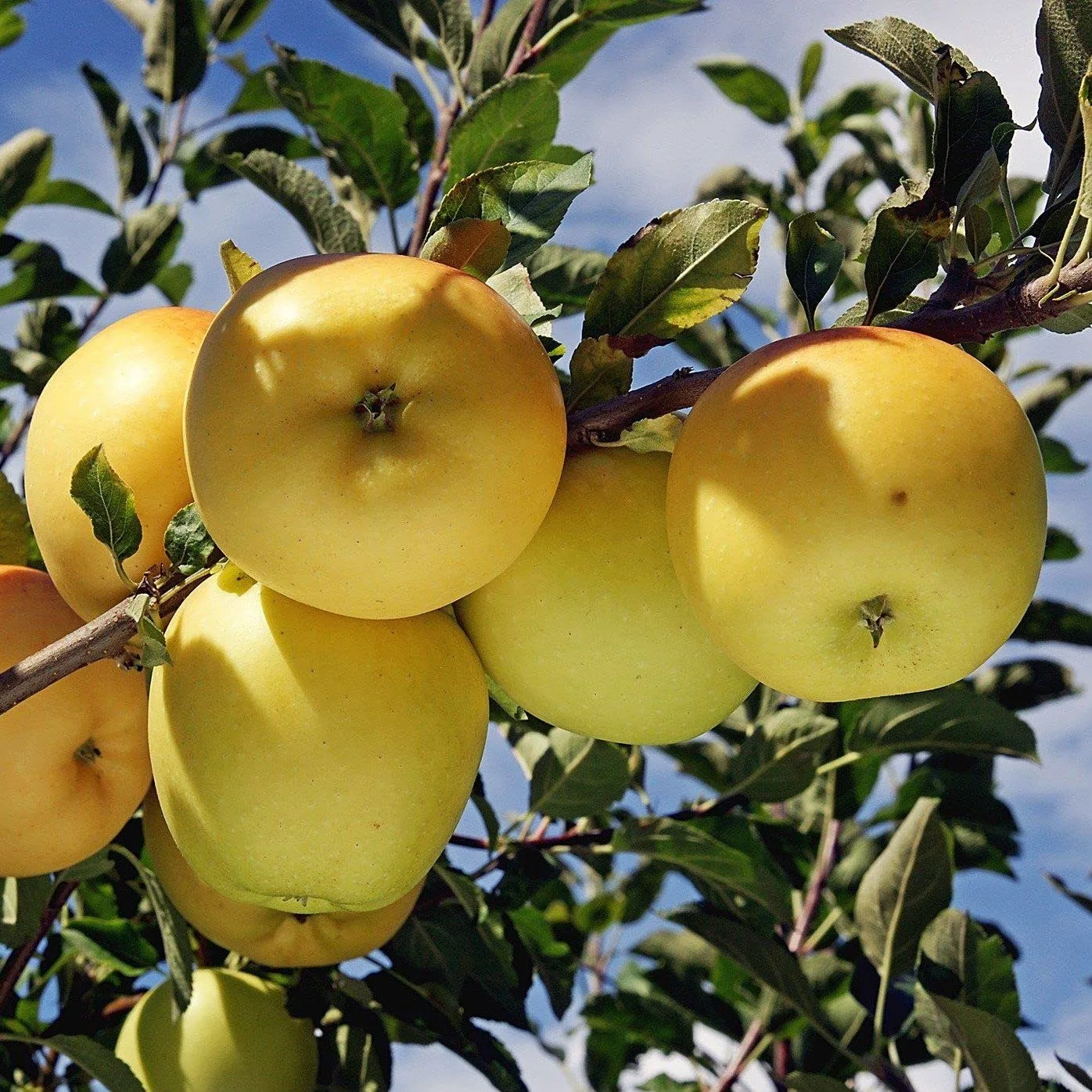
Dorsett Golden Apple Plant – Low Chill Live Apple Fruit Plant for Warm Climate, Indian Plains & Home Garden
Fruit Plants
₹265.00
₹999.00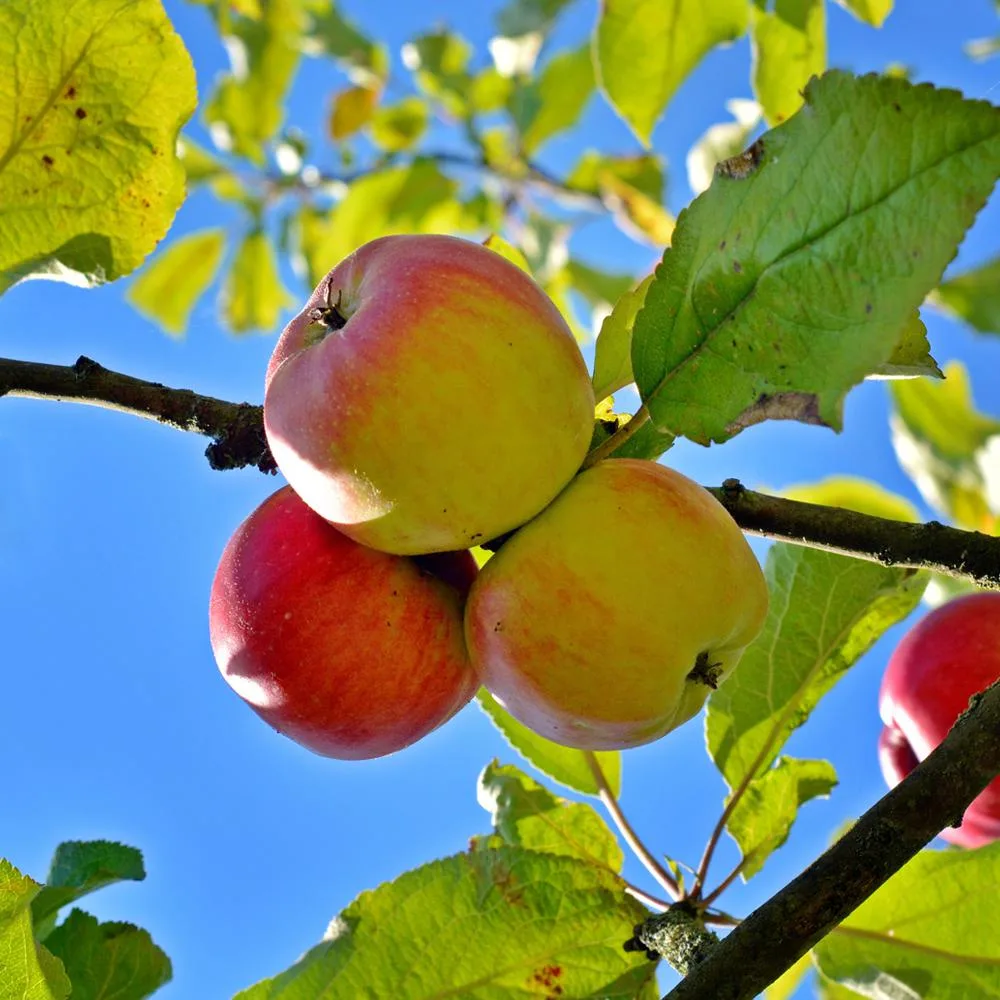
Anna Apple Plant – Low Chill Live Apple Fruit Plant for Warm Climate, Indian Plains & Home Garden
Fruit Plants
₹265.00
₹999.00You Might Also Like
Dorsett Golden Apple Plant – Low Chill Live Apple Fruit Plant for Warm Climate, Indian Plains & Home Garden
Fruit Plants
₹265.00
₹999.00
Anna Apple Plant – Low Chill Live Apple Fruit Plant for Warm Climate, Indian Plains & Home Garden
Fruit Plants
₹265.00
₹999.00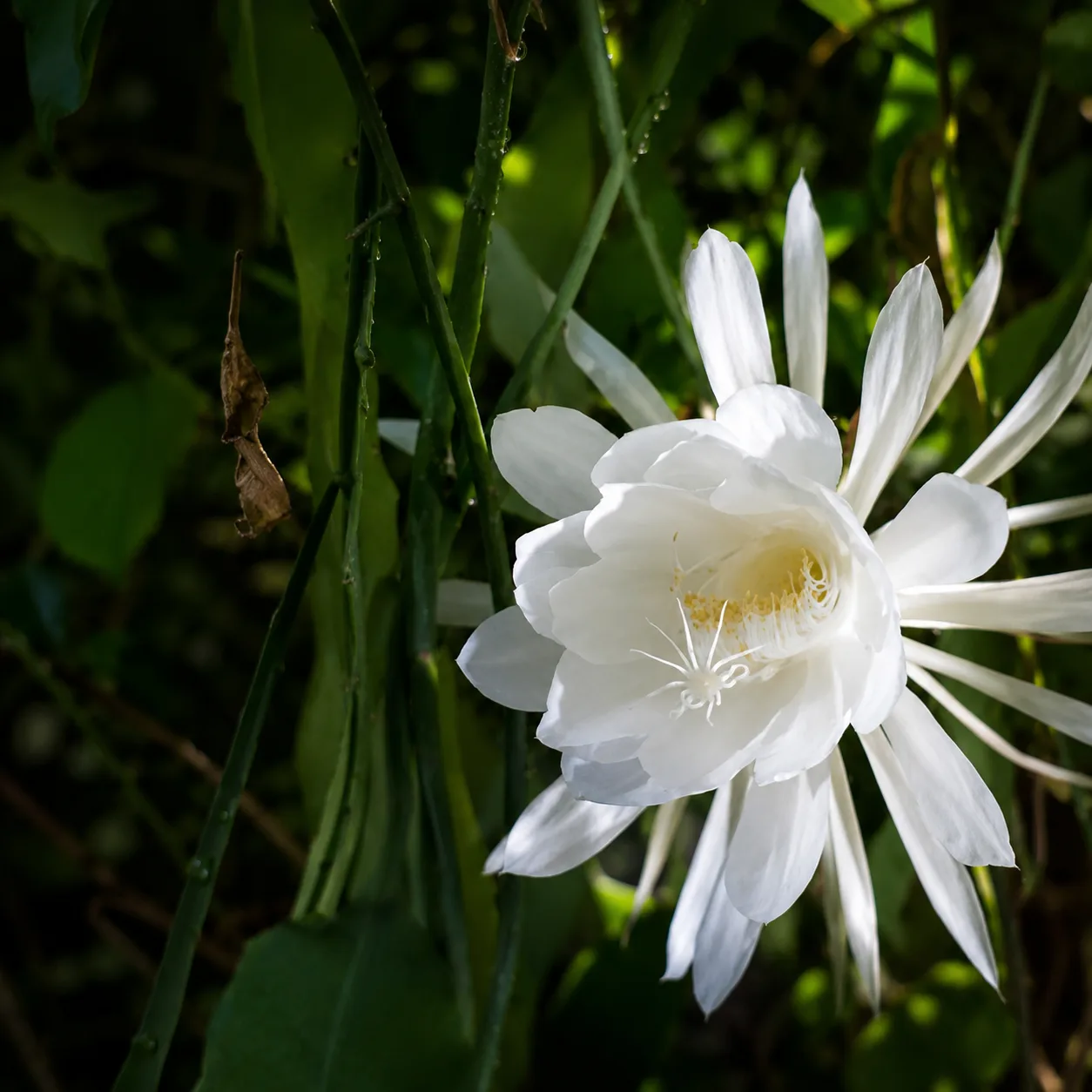
Night Queen / Brahma Kamal Live Plant – Epiphyllum oxypetalum Rare Fragrant Night Blooming Cactus for Home & Garden
Flowering Plants