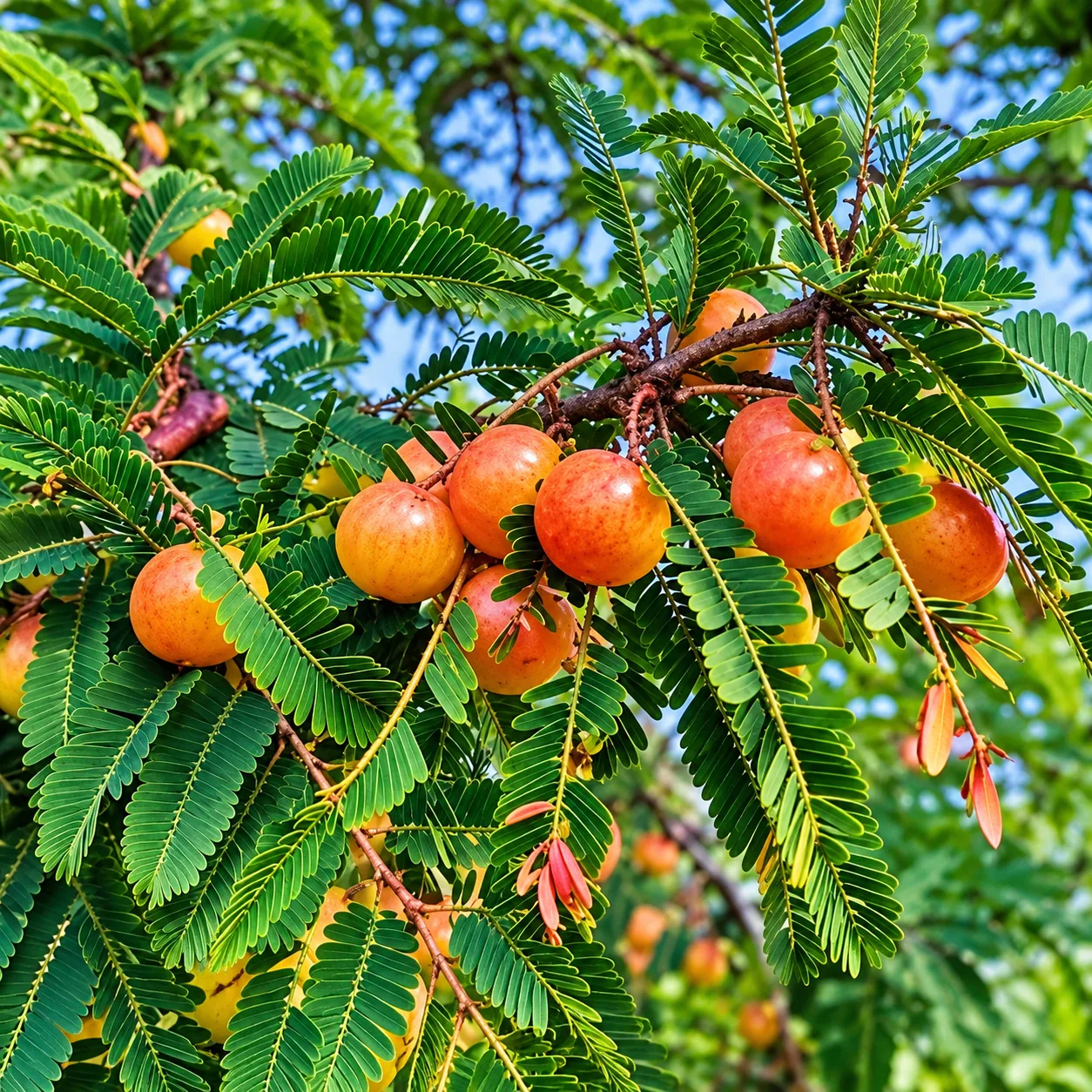
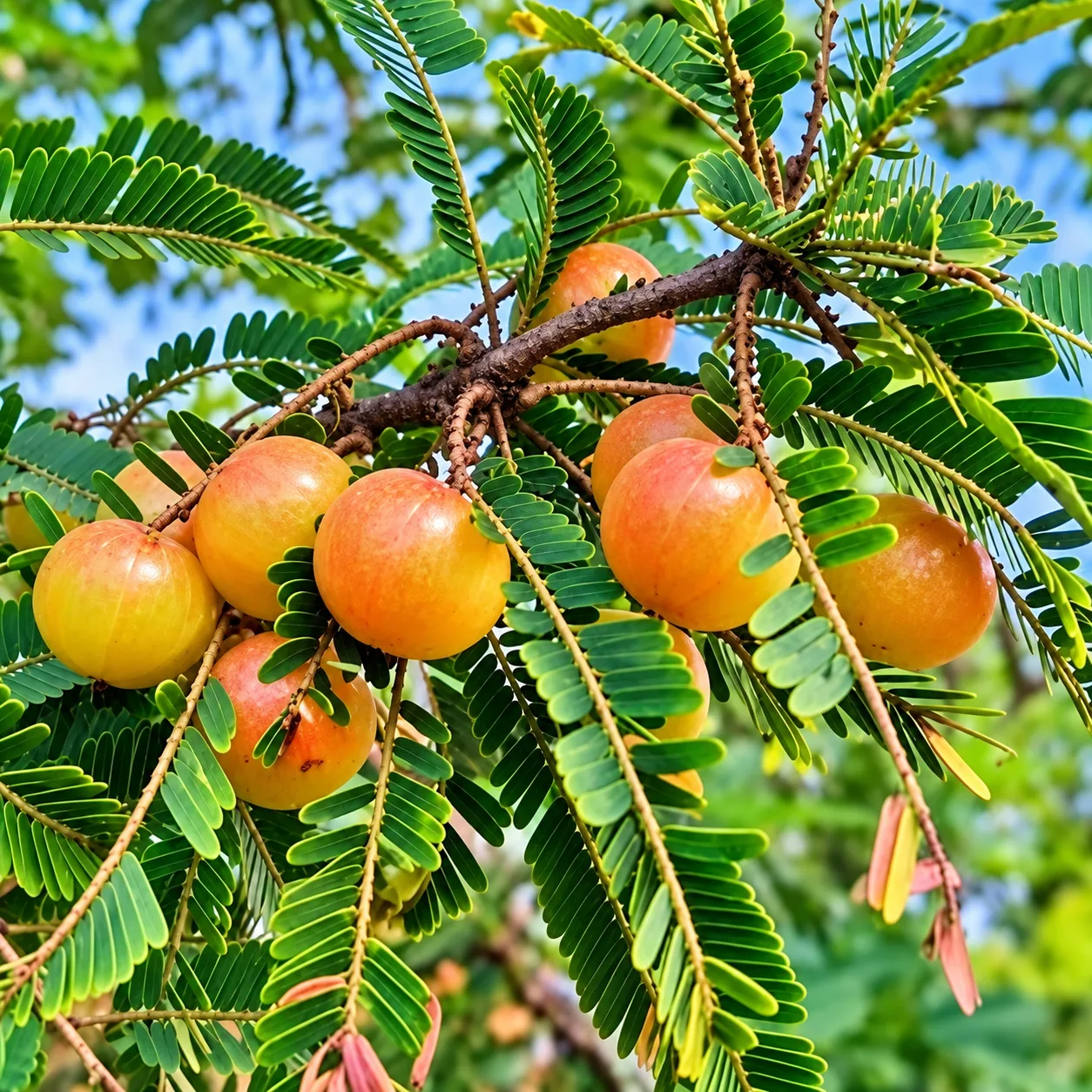
Red Amla Plant (Amalaki) – Live Phyllanthus emblica Indian Gooseberry Fruit Plant for Home Garden & Orchard
₹380.00
₹1199.00 68% OFF
The Red Amla Plant (Phyllanthus emblica), commonly known as Amalaki or Indian Gooseberry, is a hardy fruit tree valued for its distinctive reddish-tinged Amla fruits and excellent adaptability to Indian growing conditions. Suitable for home gardens, orchards and farms, it thrives in full sunlight, tolerates challenging soil conditions and develops into a productive long-lived fruit tree.
Plant Information
Care Instructions
In the Box
- 1 Unit of the Red Amla (Amalaki) Plant
Key Features
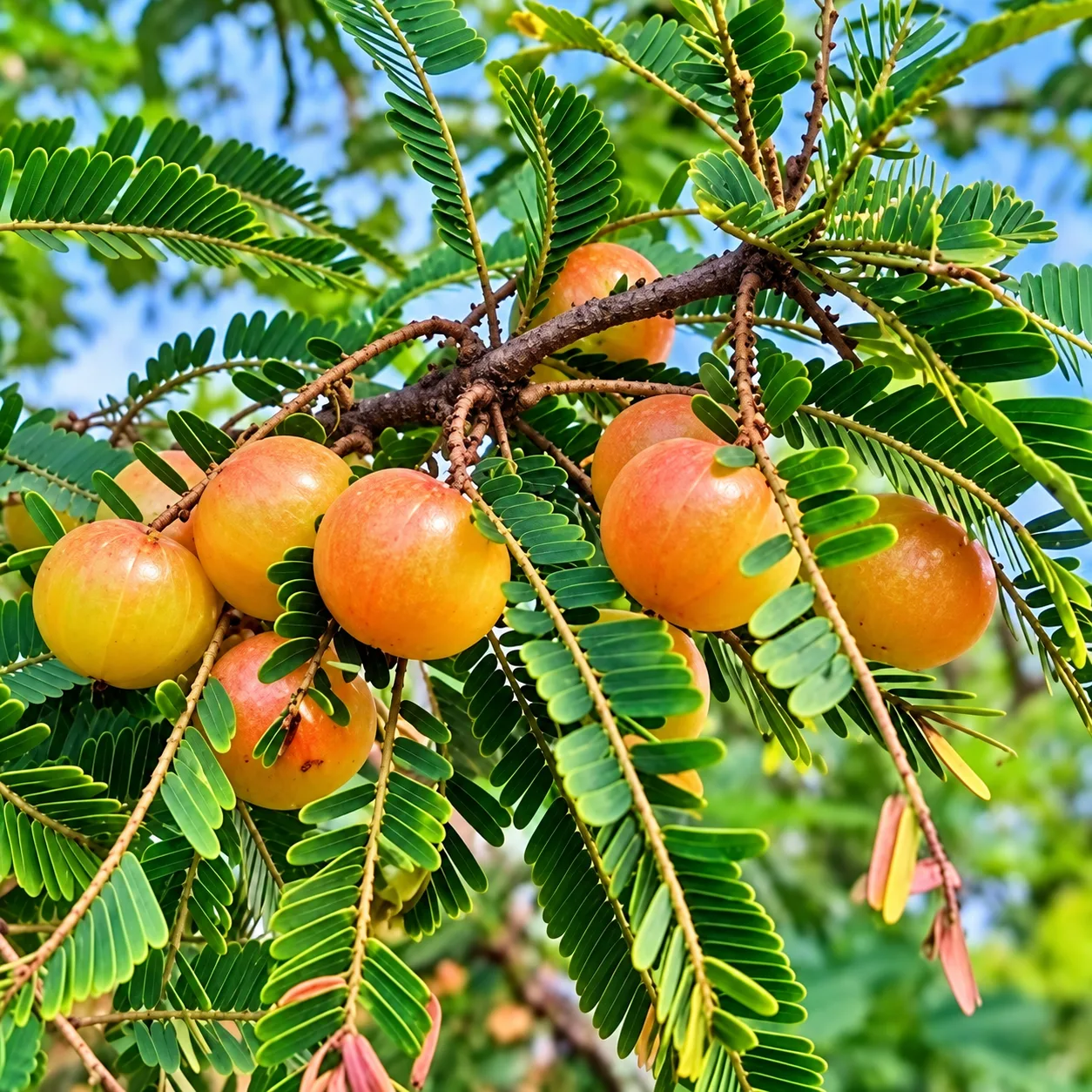
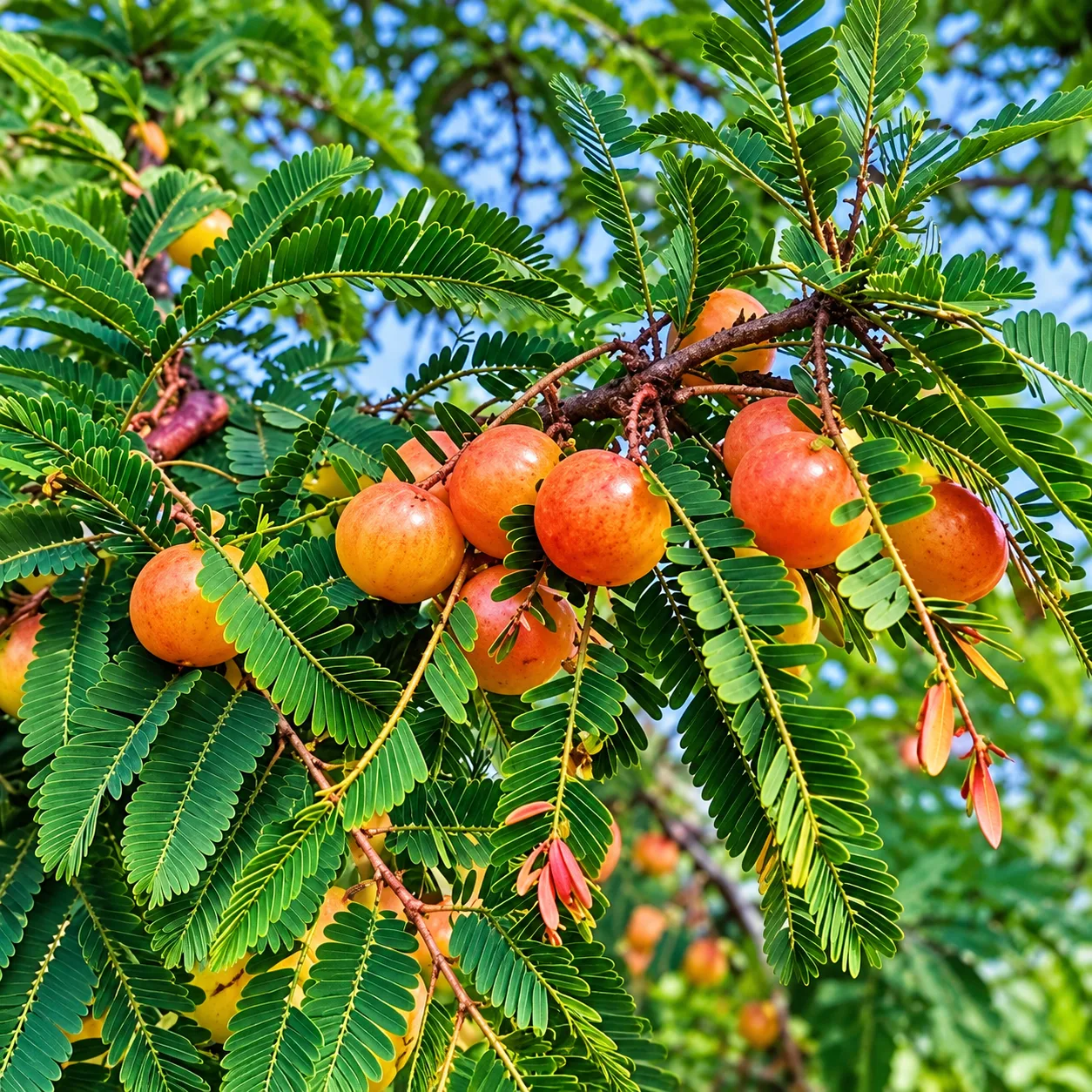
- Produces attractive Amla fruits that develop reddish or red-blushed tones at maturity, making this selection visually different from conventional green Amla.
- Amla is highly adaptable and performs well in tropical, subtropical and comparatively dry regions.
- Suitable for backyard gardens, farms, orchards and larger landscape areas where adequate sunlight is available.
- Established Amla trees tolerate periods of dryness and generally require less intensive care than many tropical fruit trees.
- Amla fruits are widely used in fresh preparations, pickles, preserves, juices, candies, powders and traditional Indian food products.
More About This Plant
The Red Amla Plant, botanically known as Phyllanthus emblica, is a hardy deciduous to semi-deciduous fruit tree native across tropical and subtropical Asia. It is commonly known in India as Amla, Aonla or Amalaki.
The plant develops a spreading crown with numerous slender branchlets covered in small green leaves, giving the foliage a soft, feather-like appearance. Small greenish-yellow flowers appear during the spring season and later develop into rounded Amla fruits.
The Red Amla sold in the nursery trade is distinguished by fruits that develop reddish or red-blushed coloration rather than remaining entirely pale green or yellow-green. The exact intensity of red colour can vary with the plant selection, maturity, climate and sunlight exposure.
Amla is exceptionally adaptable to Indian conditions. It can tolerate relatively dry climates as well as a broad range of soils, including soils that are less suitable for many conventional fruit trees.
The tree performs best in full sunlight and well-draining soil. Once established, it becomes comparatively drought tolerant, although regular moisture during fruit development improves plant performance.
For IndNursery, Red Amla should be treated as the commercial selection name, while Phyllanthus emblica should remain the scientific identification.
Product Specifications
General
Appearance
Fruit
Flowering
Growth
Growing Conditions
Climate
Red Amla / Amalaki Seasonal Care Guide
During summer, young fruits begin developing while temperatures rise. Established Amla tolerates considerable heat, but young trees should receive regular deep watering. Organic mulch can help conserve soil moisture.
During the monsoon season, natural rainfall supports vigorous growth. Reduce additional watering and ensure proper drainage around the roots. This is also a suitable planting period for young Amla trees because the soil remains naturally moist.
During autumn, fruits continue developing and gradually approach maturity. Maintain adequate potassium and avoid excessive nitrogen fertilizer.
During winter, fruits of many Amla selections mature and can be harvested. After harvest, remove dead or damaged branches and carry out light structural pruning where necessary. Reduce irrigation during cool weather.
Product FAQs
What is Red Amla Plant?
Is Red Amla different from normal green Amla?
How much sunlight does a Red Amla Plant need?
Can Red Amla grow in hot Indian climates?
How tall does a Red Amla tree grow?
Customer reviews
Product Image Gallery
Also in Outdoor Plants
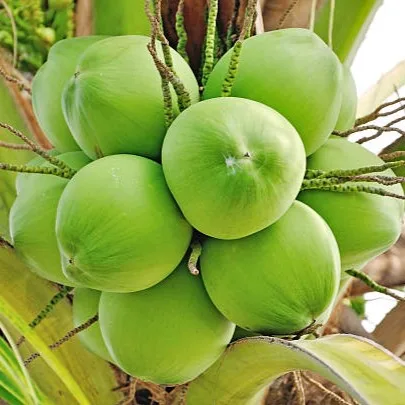
Coconut Plant – Live Cocos nucifera Tropical Fruit Palm for Home Garden, Farm & Plantation
Outdoor Plants
₹770.00
₹1999.00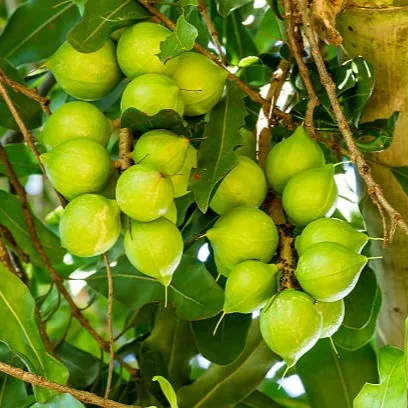
Macadamia Live Plant – Premium Edible Nut Tree for Home Garden, Farm & Tropical Orchard
Outdoor Plants
₹460.00
₹1799.00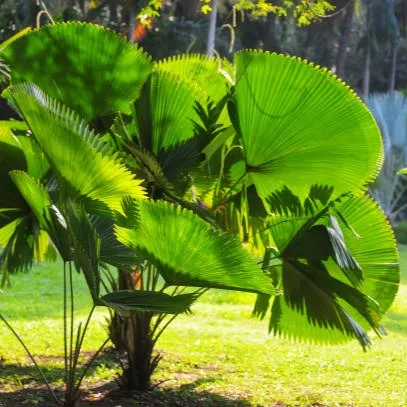
Pichodia Palm / Ruffled Fan Palm – Licuala grandis Live Tropical Big Leaves Plant for Home, Garden & Landscaping
Outdoor Plants
₹770.00
₹1999.00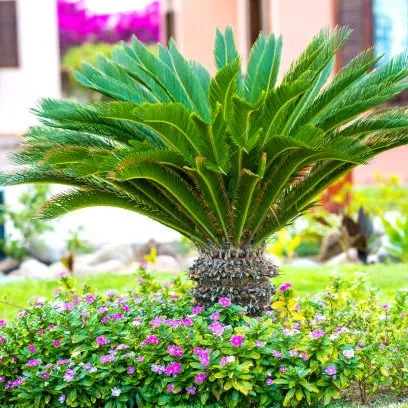
Cycas Live Plant – Cycas revoluta Sago Palm Ornamental Plant for Home, Garden, Balcony & Landscaping
Outdoor Plants
₹720.00
₹2999.00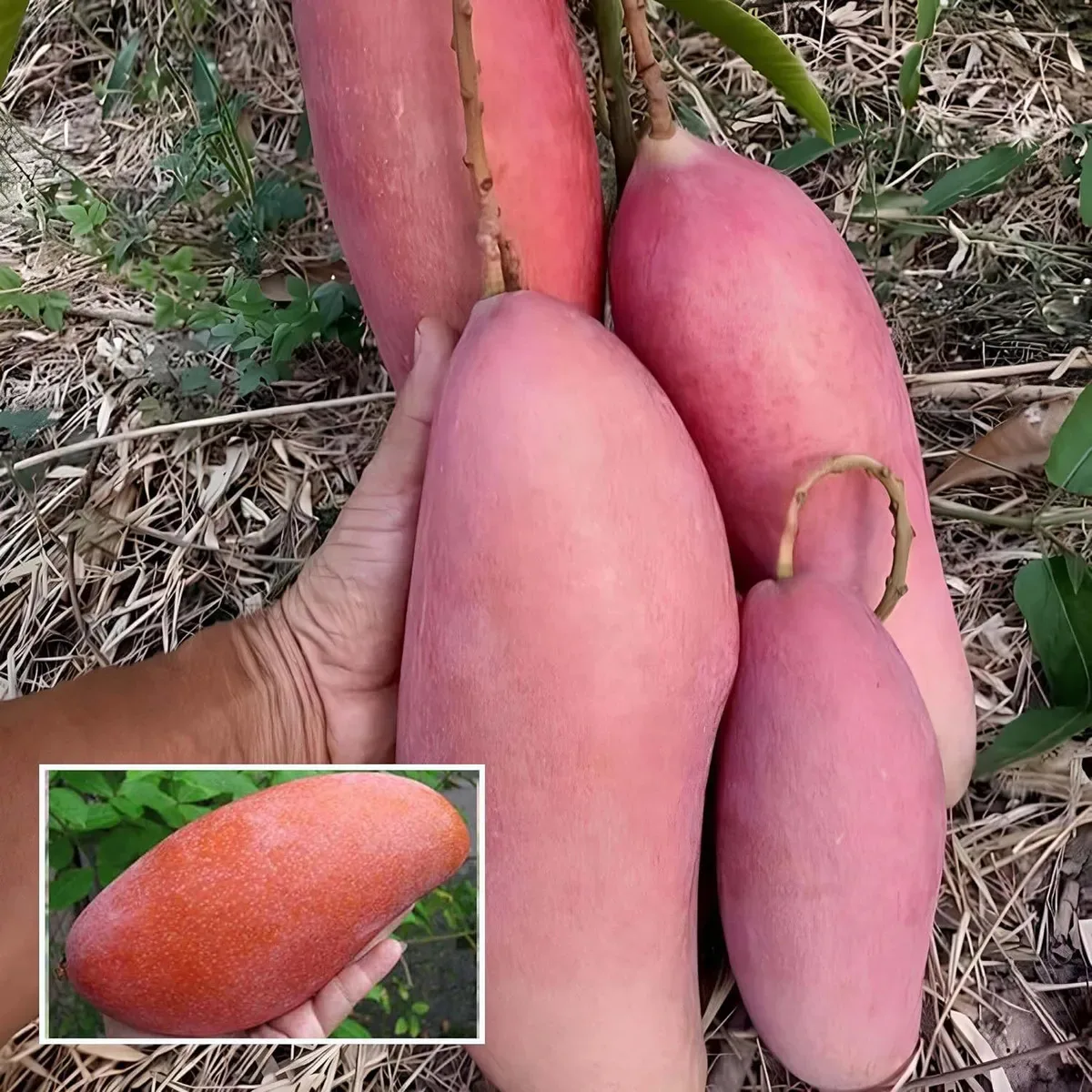
You Might Also Like
Coconut Plant – Live Cocos nucifera Tropical Fruit Palm for Home Garden, Farm & Plantation
Outdoor Plants
₹770.00
₹1999.00
Macadamia Live Plant – Premium Edible Nut Tree for Home Garden, Farm & Tropical Orchard
Outdoor Plants
₹460.00
₹1799.00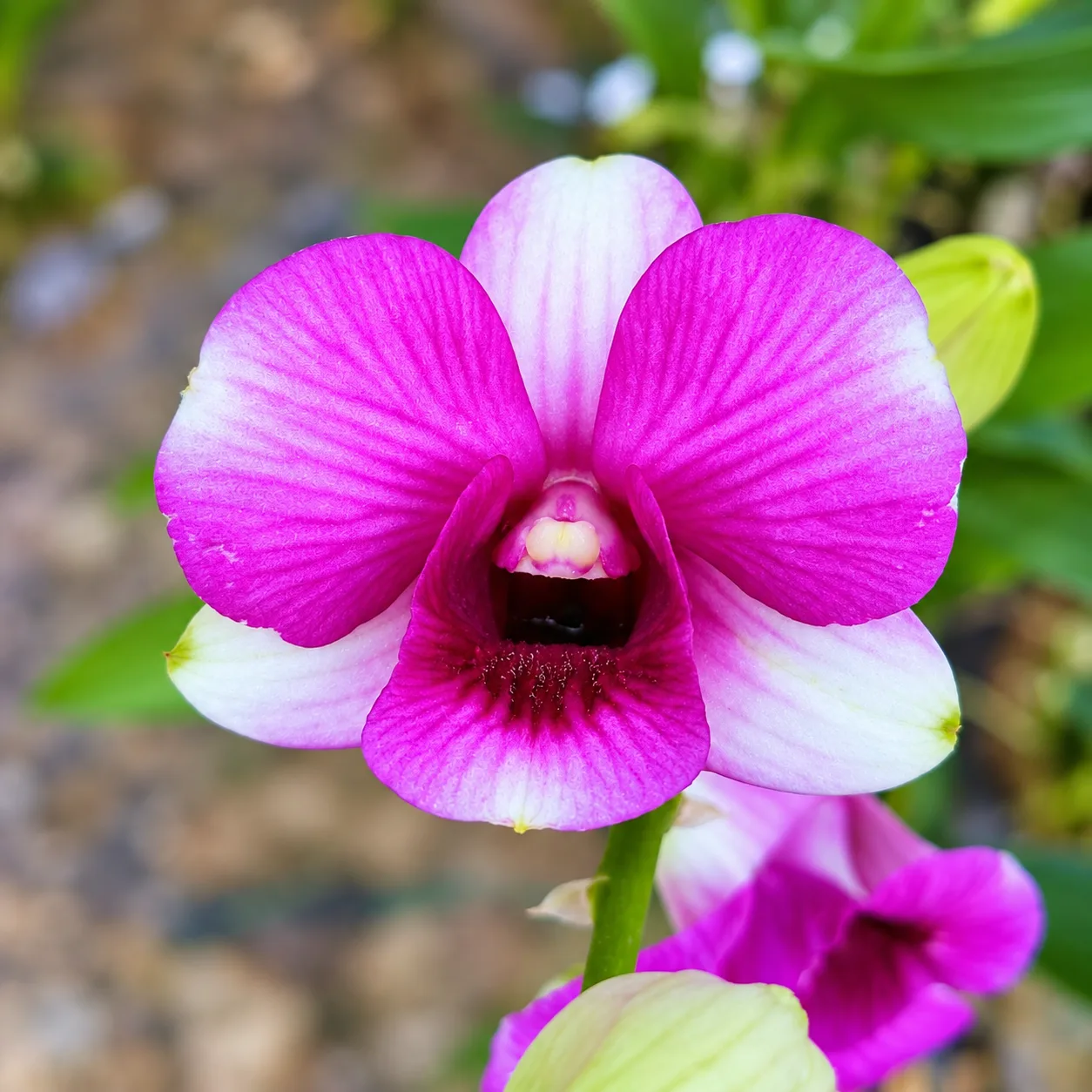
Air Two Tones P1296 Dendrobium Orchid – Live Pink Two-Tone Tropical Flowering Orchid Plant
Orchids
Out of Stock₹650.00
₹1999.00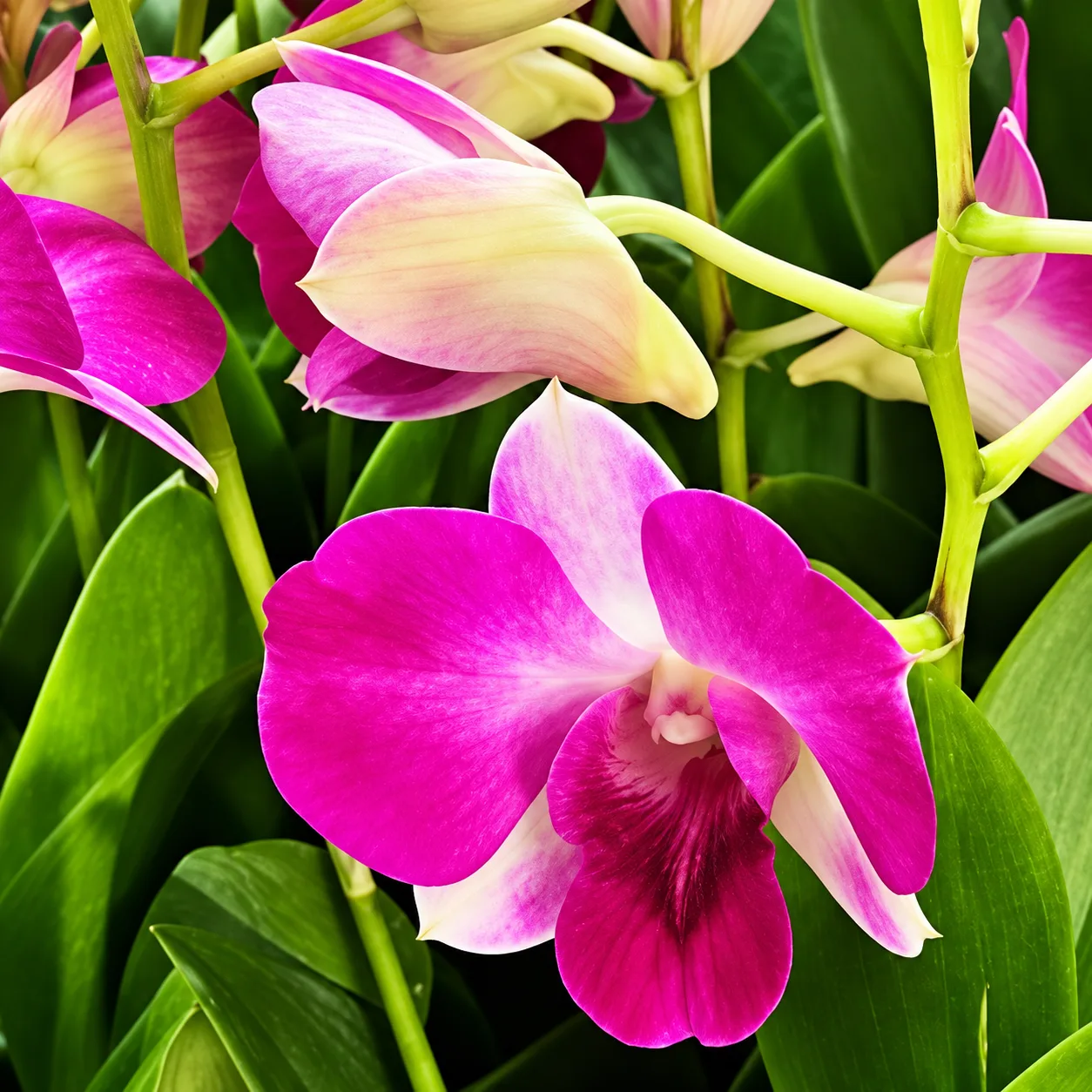
Air Two Tones × Red AB18977 Dendrobium Orchid – Live Red Two-Tone Tropical Flowering Orchid Plant
Orchids
Out of Stock₹650.00
₹1999.00
Pichodia Palm / Ruffled Fan Palm – Licuala grandis Live Tropical Big Leaves Plant for Home, Garden & Landscaping
Outdoor Plants